by Peter Gammons
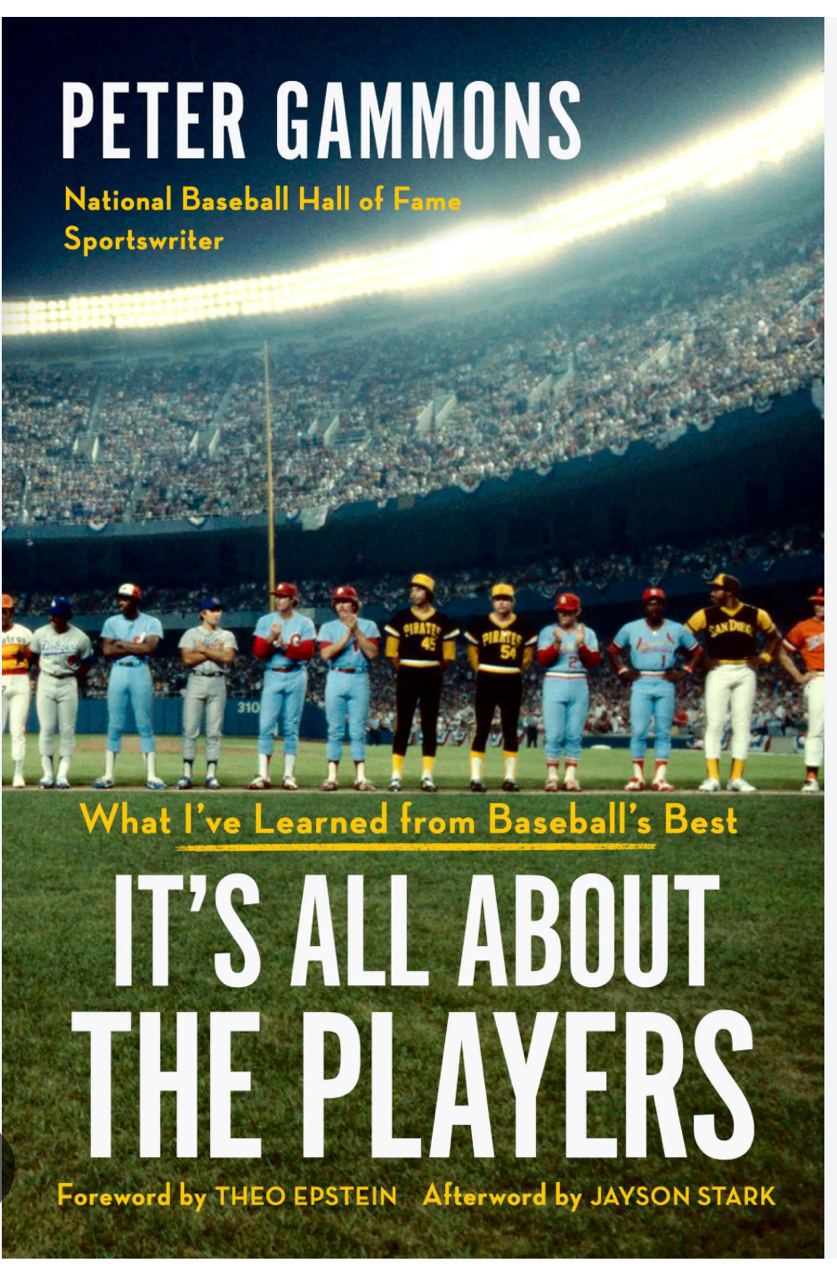 There are fans of baseball and then there is Peter Gammons. He’s on another level with his passion for the game, appreciation of its history, and respect for its players. While there are quite a few talented baseball writers, Mr. Gammons expertly utilizes his love of the game to describe what he’s seen and what it means to him. In this book, baseball history is the foundation, but it’s Gammons’ knowledge, experience, and adoration that feed his perspective and the words that fill the pages.
He’s well known as a sportswriter, announcer, analyst, and historian, and for many of us, Peter Gammons has been an educator … one who teaches us the intricacies of the game. It’s the stuff not in rule book. So why am I writing so much about Peter Gammons in this review? Well, because this book is a collection of stories and observations that he has collected over many decades. This book answers the question, ‘Why does Peter Gammons love baseball?’ It’s joyous reading for any baseball fan, but especially for those of us of a certain age who have watched and admired the players he writes about. He takes us into the clubhouses and dugouts. He lets us hang out by the batting cages. This is ‘inside baseball’ at its finest … easily accessible.
Gammons’ entire professional career has been intertwined with baseball. Being born and raised in the Boston area, his early ties were to the Boston Red Sox, and as any fan knows, those early loyalties often stick. He spent years as a writer for the ‘Boston Globe’, ‘Sports Illustrated’, and ‘The Sporting News’, before joining ESPN as an analyst. Over those decades, he won many awards and was recognized nationally for his baseball insight. All of that time spent around the game is laid out with stories and moments and memories of the players who made his time at ballparks so special. Baseball fans will soak up these stories and feel like we were right there with him.
In keeping with the book’s title, each of the seven Parts and most of the chapters are sub-titled with the names of the players being written about in a particular part of the book. As an example, one of the most fascinating segments is titled, “Geniuses”, and subtitled with names like Jason Varitek, Greg Maddux, Robin Yount, Tony Gwynn, and Johnny Bench, to name a few. Gammons proceeds to tell a story about each that identifies the player as a baseball genius or savant … the trait, other than raw talent, that set them apart from other big leaguers who simply played hard.
Gammons has at least one story about every significant player over the past fifty years, and since the timeline of my love of the game corresponds so closely to the writings of Gammons, the book acts as a trip down memory lane … with the added benefit of being educational and entertaining. Even the stories on players who weren’t among my favorites are fascinating to read, providing a feeling of discovery and bonding over a beloved sport. This book is for you if you are the type who would be thrilled to read about such things as Ted Williams smelling the burning of the wood of the bat, the green wall and green grass of Fenway, the Yaz era, the rise of Latin American players and later Asian players, Castro’s Cuba, Frank Robinson as the first black manager, the uber-talented Barry Bonds and Ken Griffey Jr, the remarkable Cal Ripken Jr, an enigmatic Alex Rodriguez, “Chicks dig the long ball”, Moneyball, Cubs relief, difference-making GMs, the inexact science of drafting, Gammons’ chat with young Bryce Harper, torch passing from Mattingly to Jeter, and so much more.
Gammons comes clean about his brain surgery and facing the significant chance that his memory would be gone. Memories are what this book is – a treasure for baseball fans everywhere.
Available on Amazon beginning September 22, 2026


 Posted by David Ferguson
  Greetings again from the darkness. My decision to review this movie was based on one thing: it’s the feature film directorial and screenwriting debut of Agata Trzebuchowska, who starred in Pawel Pawlikowski’s excellent IDA (2013). That was the extent of my research for this film from Poland, and now after watching it, I am at a loss on how to review without spoiling anything about it. Simply stating that the twists will surely surprise you is not enough – and it helps if you are unaware, as I was, of the film’s genre prior to watching.
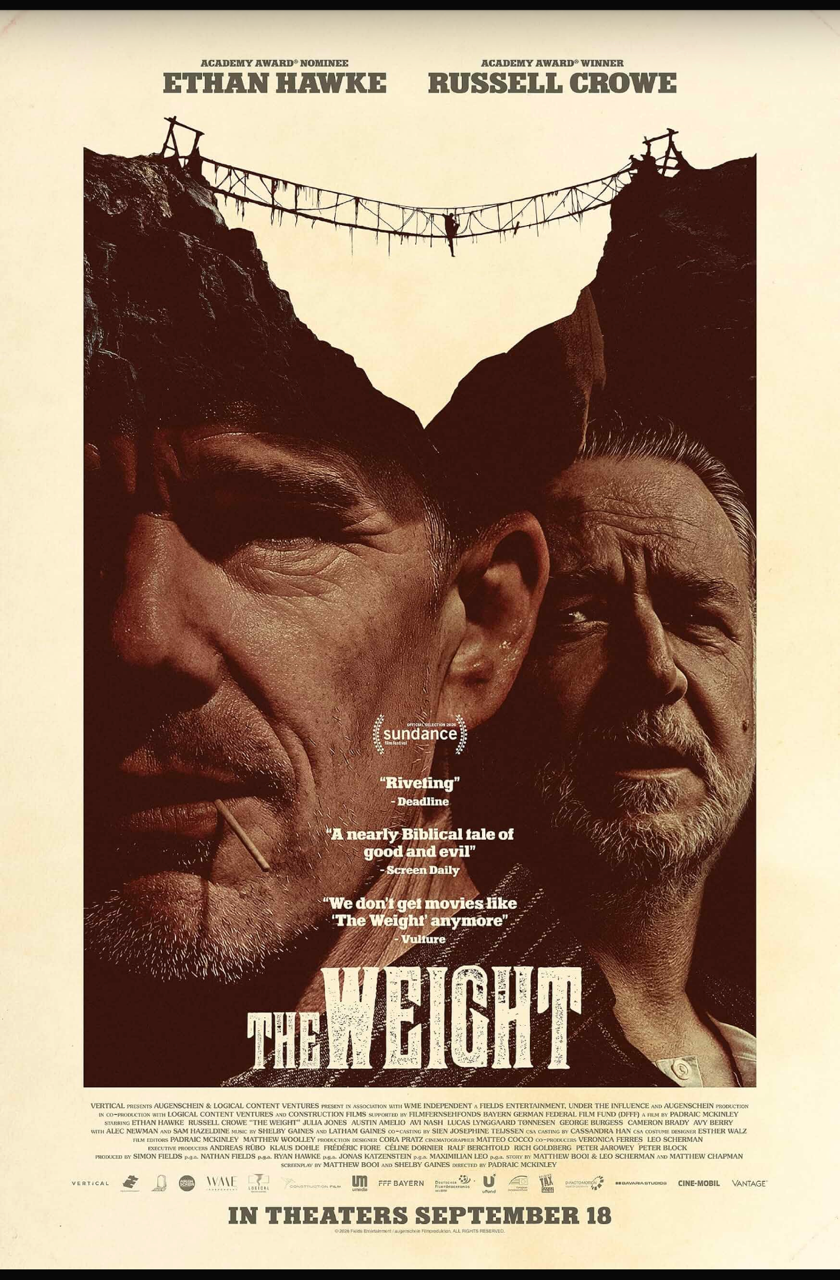 Greetings again from the darkness. Padraic McKinley, a film editor by trade, makes his feature film directorial debut with one that feels like a throwback. And that’s not just because it’s based in 1933 Eugene, Oregon during the depression. This is a period thriller that maintains our interest through characters and setting and story. What’s unusual is that there are four writing credits: Matthew Booi, Shelby Gaines, Leo Scherman, and Matthew Chapman … usually not a good sign, but most of it works pretty well here.
 Greetings again from the darkness. The risk a filmmaker runs by producing a documentary to make sense of their own family is that it might easily turns into family therapy and/or personal therapy. However, in this case, it appears that’s exactly what Colette Ghunim was trying to do. She never had the close bond with her parents that she desperately wanted, so she set out to find out why those emotional defense mechanisms were in place. As with any therapy, the hope is that things get better, while the possibility exists that things get worse.
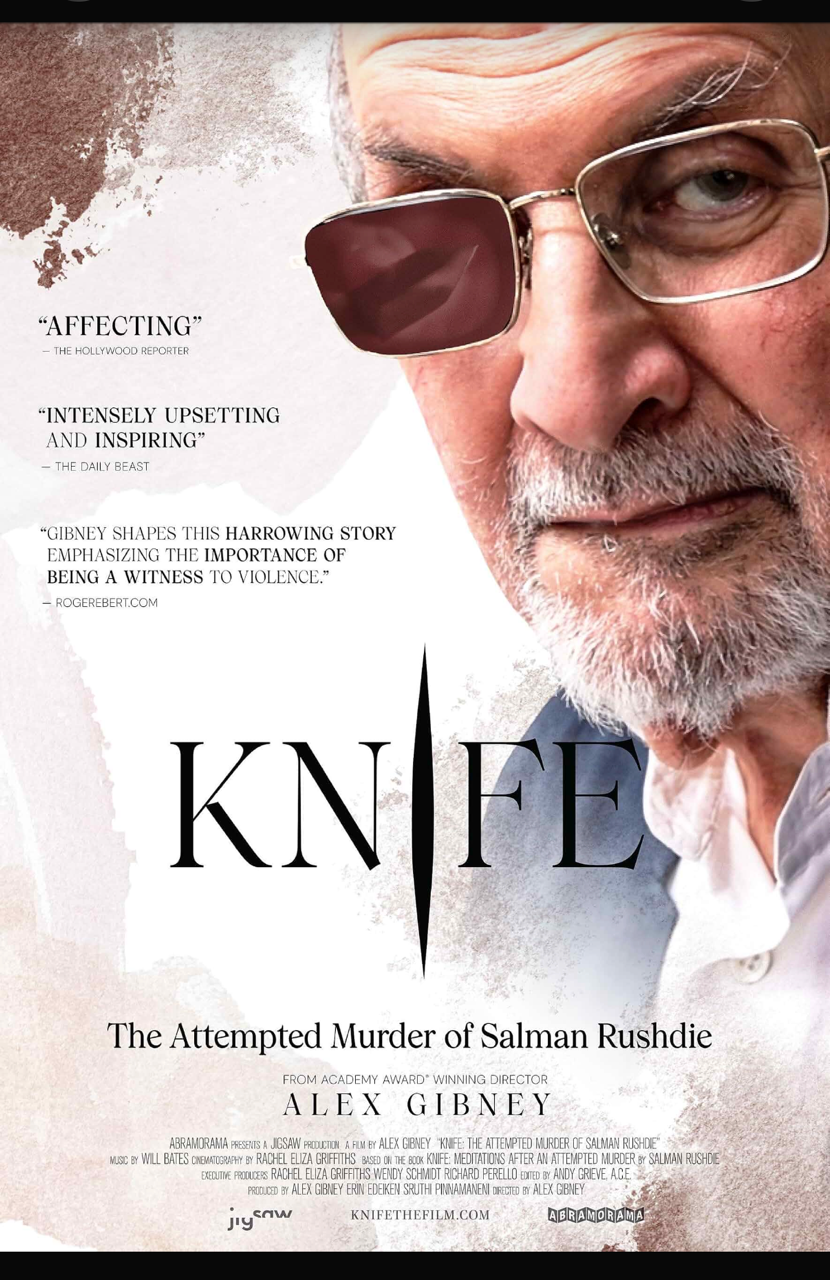 Greetings again from the darkness. Seeing someone get violently attacked is horrifying, whether that be live or a video replay. An additional adjective can be added, ‘shocking’, when the attack occurs on a public figure in a public place. Such is the case when author Salman Rushdie was ambushed on stage at Chautauqua Institute (NY) in 2022. The attacker used a knife to stab Rushdie 14 times. One of the best documentarians working today, Alex Gibney (ENRON: THE SMARTEST GUYS IN THE ROOM, 2005; and an Oscar winner for TAXI TO THE DARK SIDE, 2007), brings this story to the screen based on Rushdie’s 2024 memoir “Knife: Meditations After an Attempted Murder”.
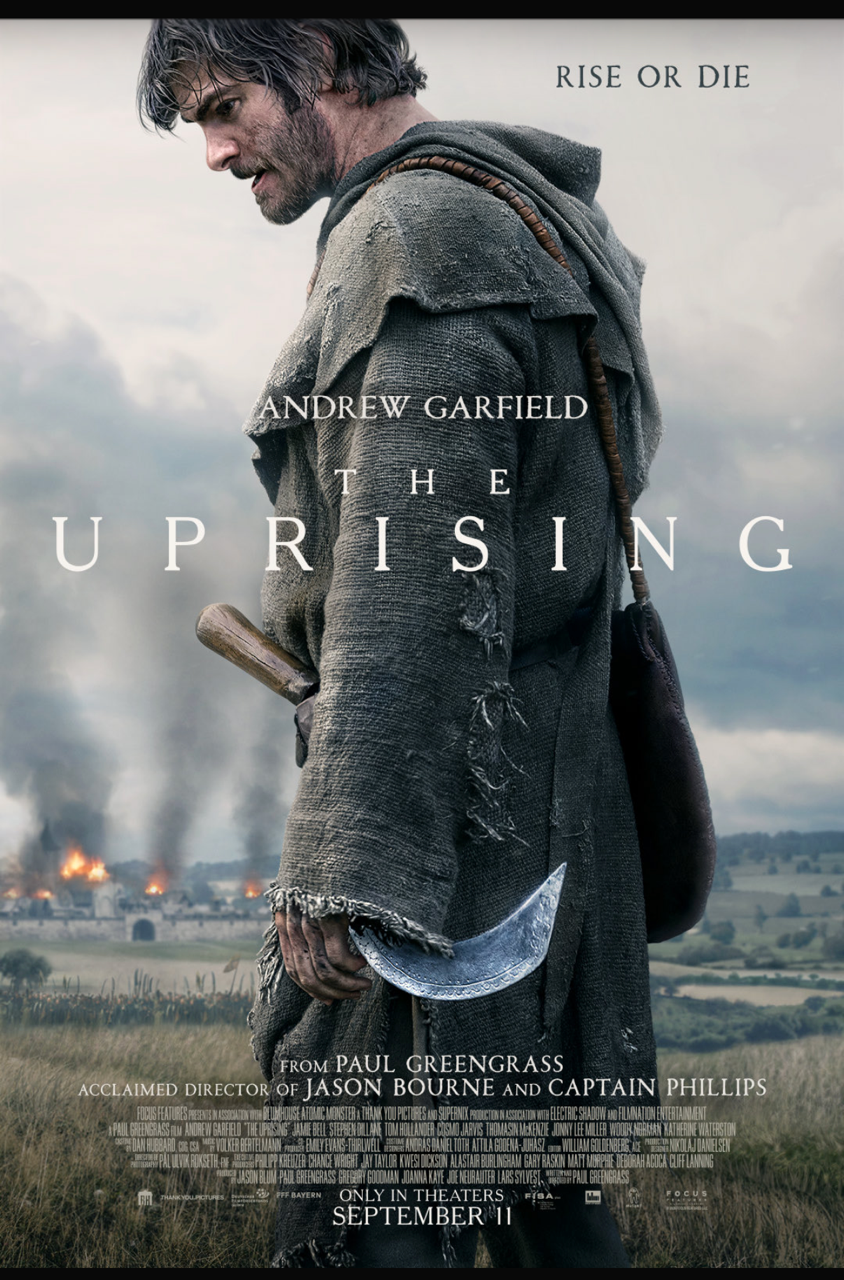 Greetings again from the darkness. It can be challenging to relate to an historical drama set in the 14th century, yet the Peasants’ Revolt of 1381 in medieval England sometimes hits quite close to home. Writer-director Paul Greengrass directed three of the Jason Bourne movies, so we can expect the action sequences to be frenetic and thrilling … often relying too heavily on handheld cameras.
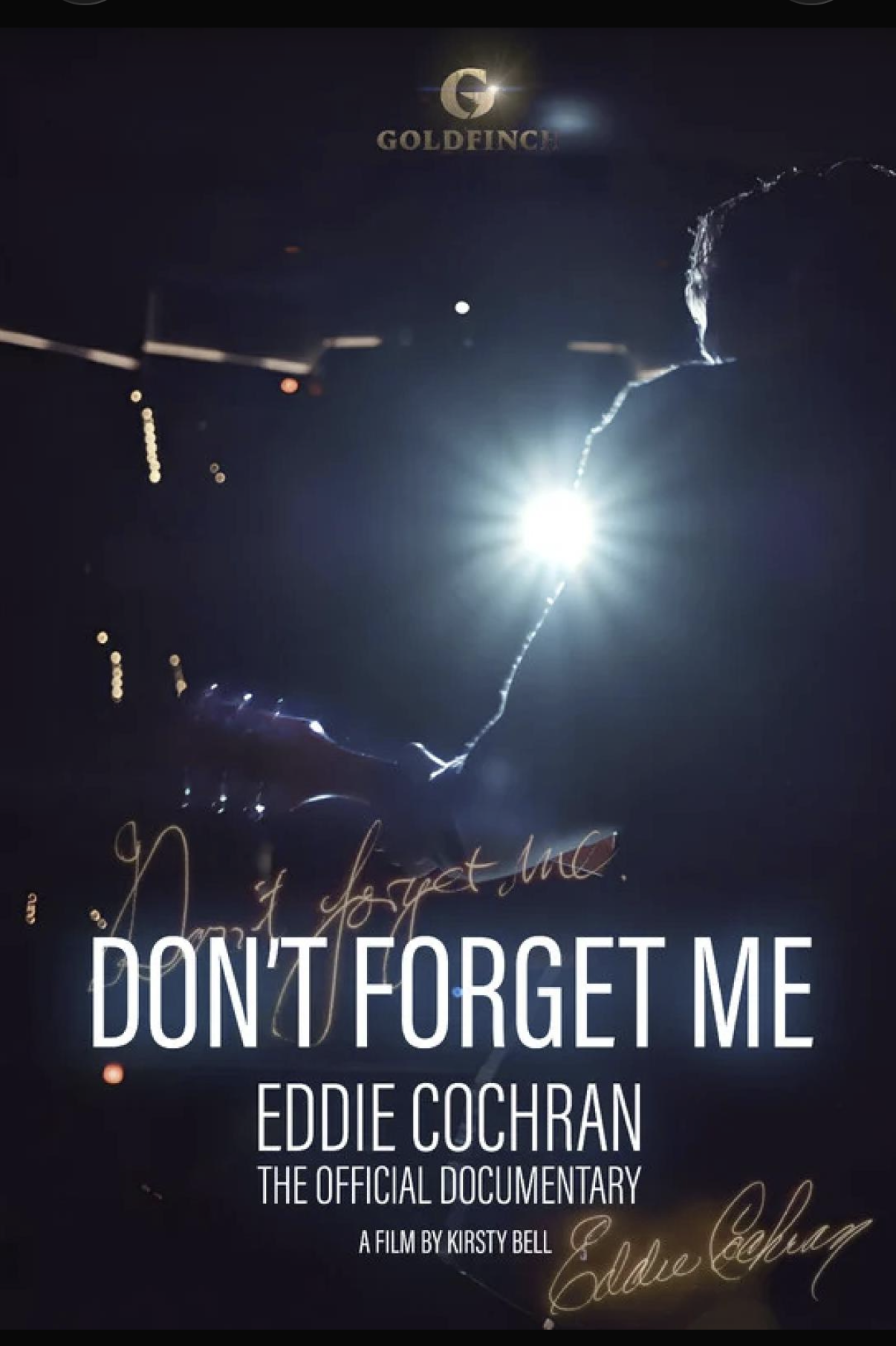 Greetings again from the darkness. With new music being created every day, it’s important to keep alive the history of those early musicians who, decades later, are still influencing contemporary songwriters and musicians. This is exactly what Kirsty Bell accomplishes with her informative profile of Eddie Cochran, a young man whose stardom and artistic pursuits were cut short by a fatal car crash at age 21.
 Greetings again from the darkness. Whether it’s flight attendants, dock workers, or Amazon, we tend to think about, and dread, the inconvenience a labor strike will cause us personally. Documentarian Yael Bridge gives us a rare peek inside … sometimes behind closed doors … to show us how a potential work stoppage (strike) could affect those workers and their families. This time, the company is UPS, which according to the film handles approximately six percent of all goods in the United States.
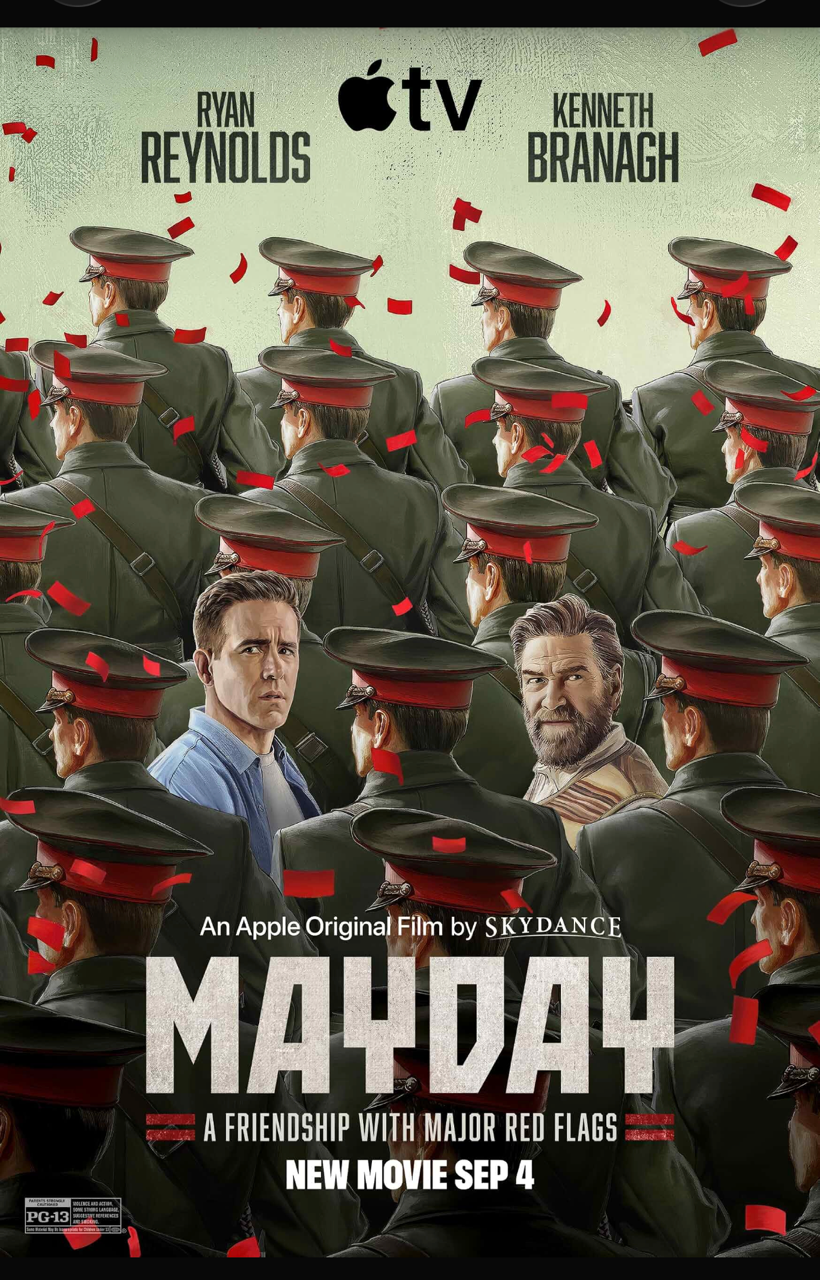 Greetings again from the darkness. I guess we were due for a “Cold War Buddy Comedy”. And who better to deliver than co-directors John Francis Daley and Johnathan Goldstein, the team behind GAME NIGHT (2018) and DUNGEONS & DRAGONS: HONOR AMONG THIEVES (2023). This time out, they deliver excellent visuals to go along with stellar comedic chemistry between first class wisecracker Ryan Reynolds and expert straight man (and Oscar winner) Kenneth Branagh.
 Greetings again from the darkness. With the mere mention of Jimmy Buffett, we immediately envision a sea of ‘Parrot heads’ sipping margaritas and having a blast as they sing along to the feel-good coastal tunes being played at a sunny outdoor venue. The beloved singer passed away three years ago, and now documentarian John H Cunningham provides an in-depth look at the early days. This is the origin story of the cultural phenomenon that Buffett built with his band … The Coral Reefers.
