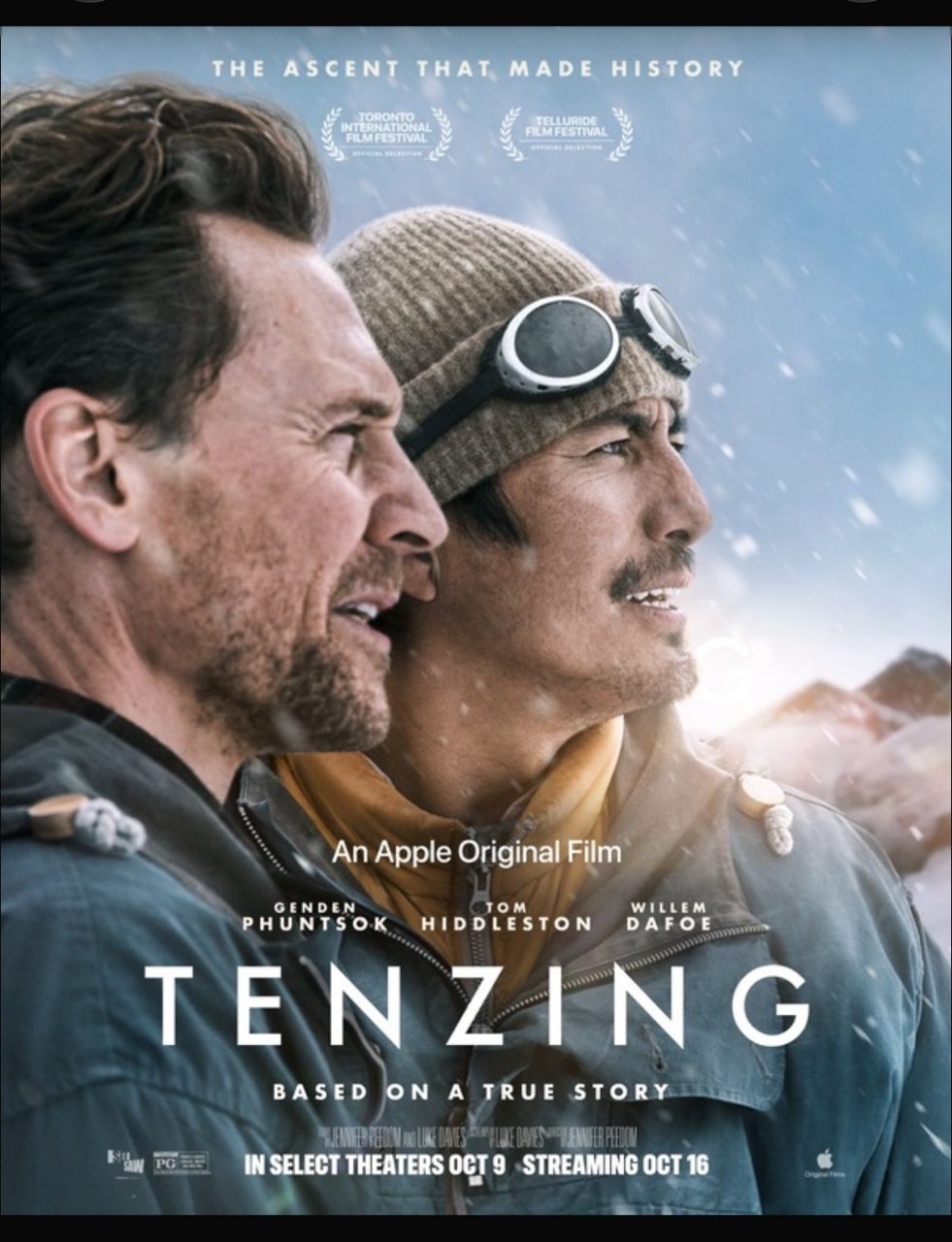
 Greetings again from the darkness. Simply perusing the list of documentaries helmed by Jennifer Peedom (SHERPA, 2015; MOUNTAIN, 2017; RIVER, 2021) gives the impression that she’s not one to spend most days lounging in the recliner watching network television. While her latest is not a documentary film, she co-wrote with Luke Davies (LION, 2016) and based it on a true story written by Ed Douglas in his 2003 book, “Tenzing: Hero of Everest”. It’s a story most aren’t familiar with, or more accurately, it’s about a man most aren’t familiar with.
Edmund Hillary is credited as being the first climber to reach the summit of Mount Everest in 1953, but this story begins much earlier. In the 1920’s, a very young Himalayan, Tenzing Norgay (Samdrup Dorje Lama), met legendary adventurer George Mallory (Johnny Flynn in a brief scene) and asked to go along on the expedition. An older Tenzing (Tenzin Dalha) pursues love with Dawa (Thinley Llhamo) while continuing his climbing and love for Chomolungma, the Tibetan name for Everest. Adult Tenzing (Genden Phunstok) is recognized as the premier guide on the mountain and is selected by Captain John Hunt (Willem Dafoe) to guide the British expedition in 1953.
Bouncing between the time periods reinforces Tenzing’s spiritual respect for the mountain and commitment to one day reaching the summit. On the British expedition, he bonds with Edmund Hillary (Tom Hiddleston). As a New Zealander, Hillary is treated as an outsider by the Brits, similarly to how Tenzing is treated as an outsider by the native Sherpas. Tenzing’s role as a go-between adds a burden and stress not shared by the other climbers. The stark comparison is made by stating the British climb for the achievement, while Tenzing states, “I climb to know her better”. Ultimately, the outsiders are rewarded for their expertise.
Caitriona Balfre (BELFAST, 2021) appears as Jill Henderson, the coordinator of expeditions and a supporter of Tenzing, yet unfortunately this role and that of Dawa are severely underwritten as the story mostly focuses on the climbers. On the plus side, the photography of Everest and the climb by cinematographer Stefan Duscio (THE DRY, 2020) is at times breathtaking. The use of drones allows us Everest views we haven’t seen before, and we often feel like we have joined the expedition (without the danger or cold feet). This is one that most audiences will be interested in and engage while watching.
The film will premiere in select theaters on October 9, 2026 and globally on Apple TV on October 16, 2026


 Posted by David Ferguson
 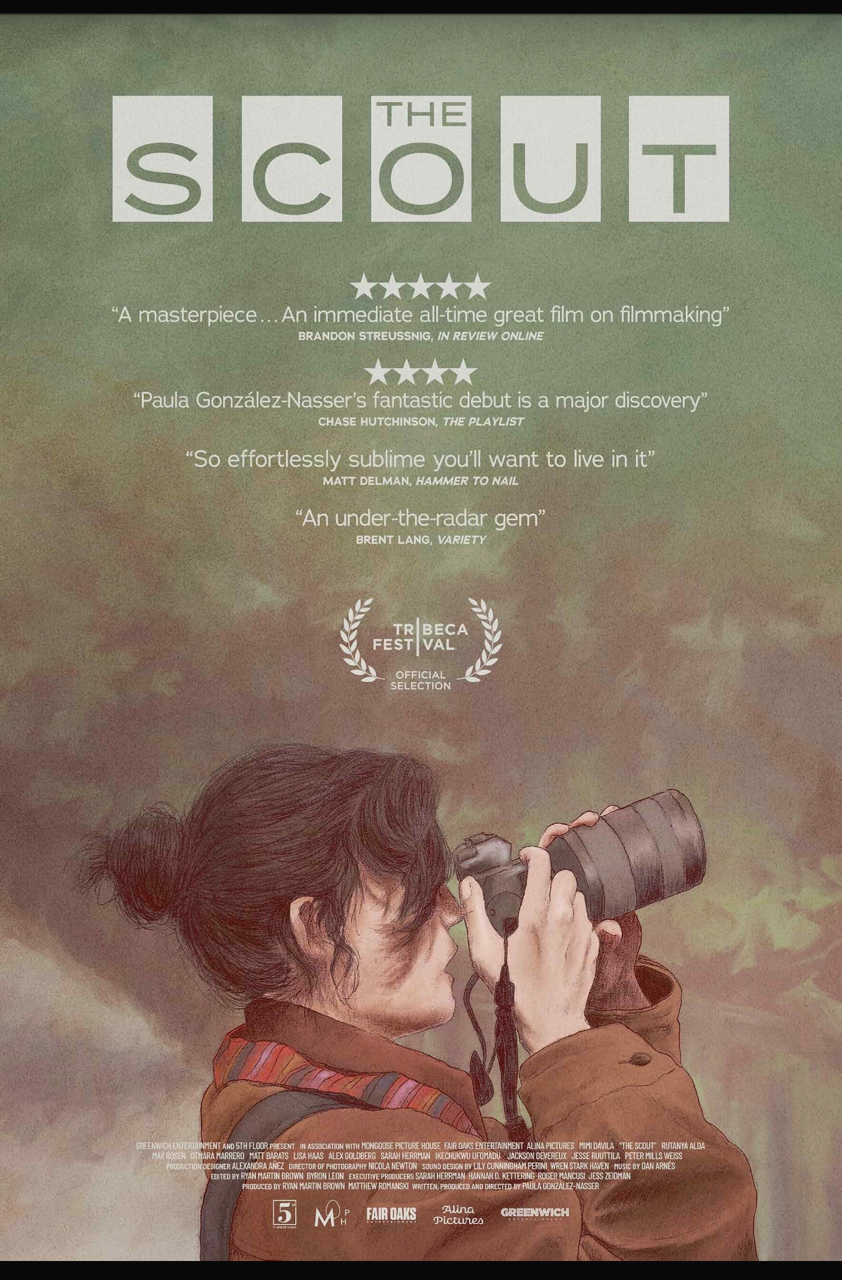 Greetings again from the darkness. Even though studio sound stages are necessary and serve a purpose in movie making and TV series, watching scenes filmed on location adds the realism that can make or break a production. As an experienced Location Scout and Location Manager, first time director Paula Gonzalez-Nasser (she also wrote the screenplay) understands the importance of realism. To that point, and by design, her film often has somewhat the feel of a documentary.
 Greetings again from the darkness. There will likely be a very distinct line of demarcation between those who ‘dig’ DIGGER and those who don’t. Director Alejandro Inarritu, who won Oscars for THE REVENANT (2015) and BIRDMAN (THE UNEXPTED VIRTUE OF IGNORANCE, 2014) and a list of five esteemed writers (Sabina Berman, Jez Butterworth, Alexander Dinelaris, Nicolas Giacobone, Inarritu) seemingly crafted a film that looks amazing, while intentionally angering or annoying or confusing a big chunk of movie goers. Not only will those who prefer traditional storytelling be frustrated, the politics involved will surely irritate many (and drive some nasty comments).
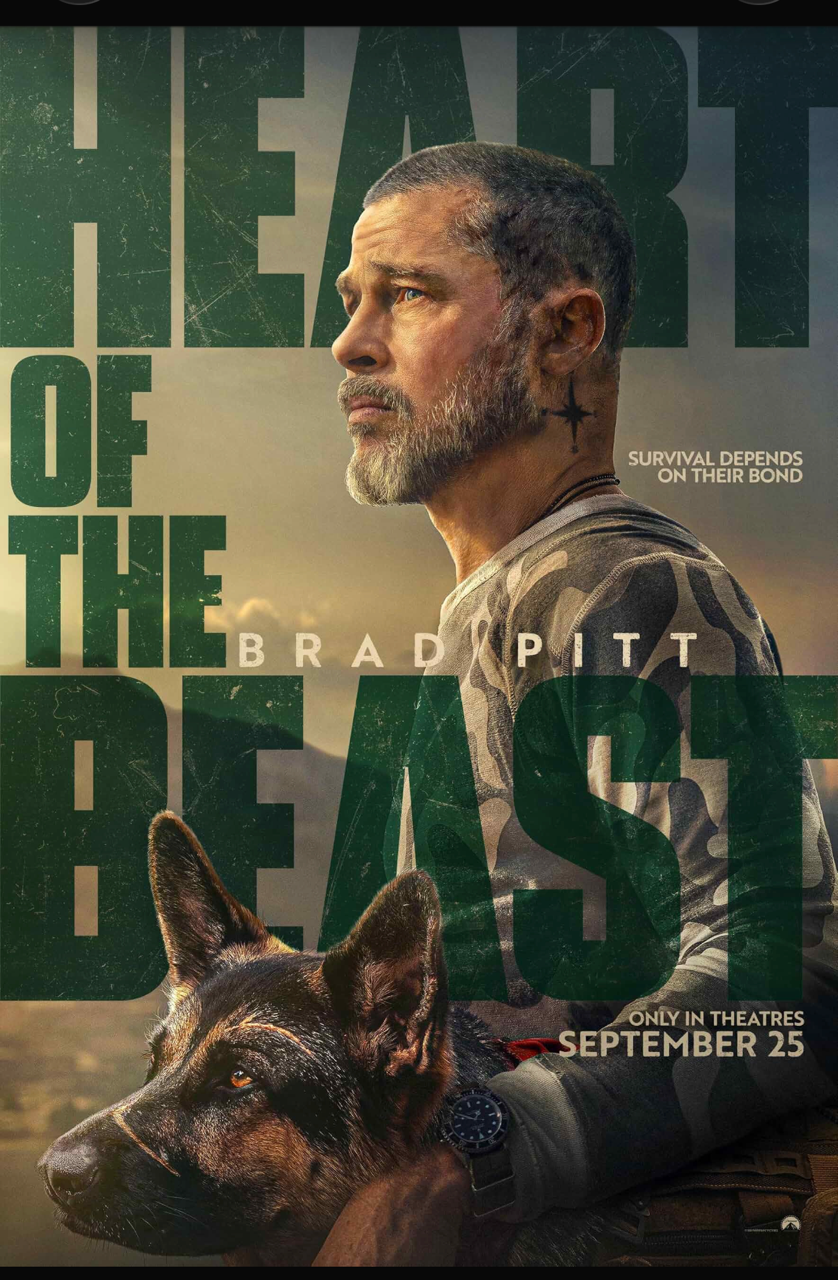 Greetings again from the darkness. Director David Ayer (the excellent END OF WATCH, 2012) is no fool. He wisely begins the movie by putting the audience at ease. Yes, the dog survives. We learn this in the opening scene he blocks the road of a pickup driver (Anna Lambe, “True Detective”). We immediately shift to flashback mode, unsure whether the dog’s owner is still alive. The first feature film screenplay from Cameron Alexander benefits immensely from a couple of key factors: stunning scenery and a touching bond between man (Oscar winner Brad Pitt) and dog (Odin, a properly renamed Uber).
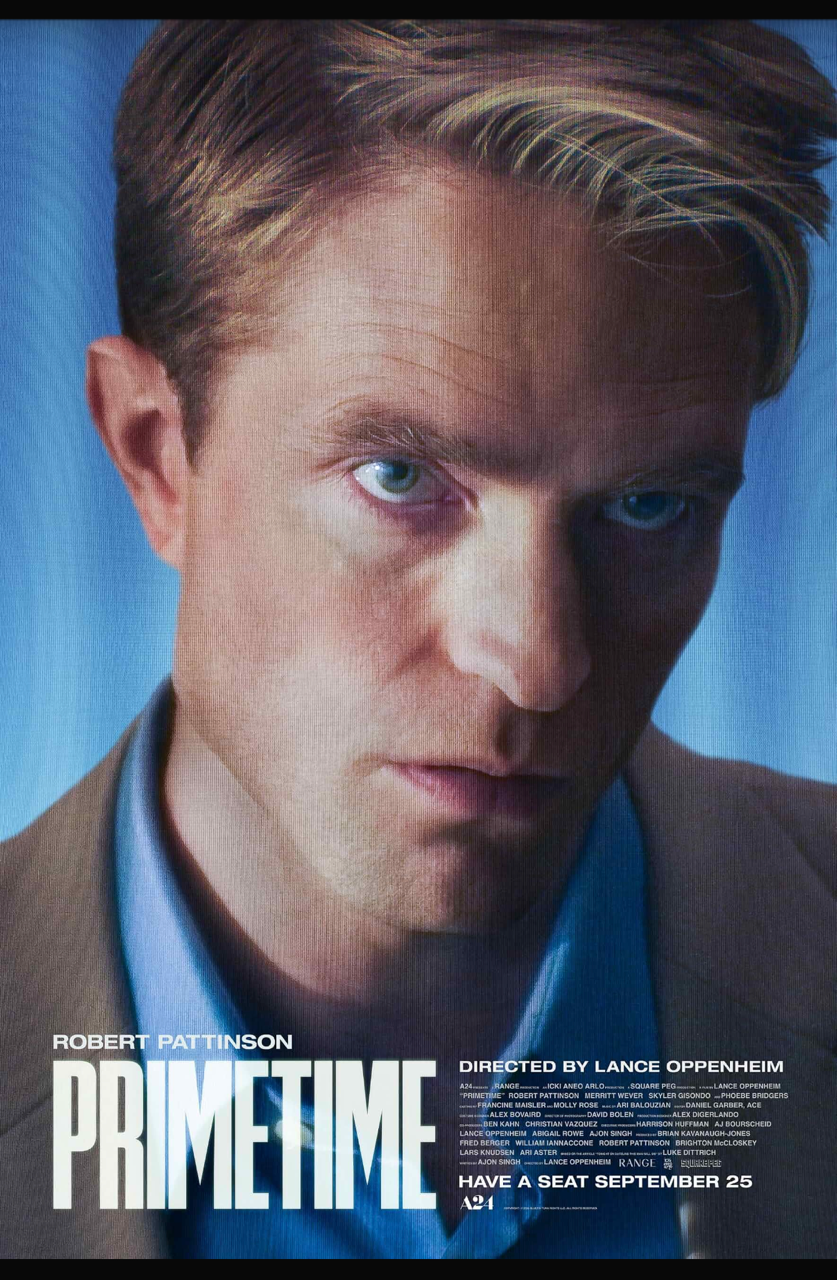 Greetings again from the darkness. Director Lance Oppenheim (SOME KIND OF HEAVEN, 2020) and co-writers Luke Dittrich and Ajon Singh toss nearly two hours of psychology at us, leaving us to fend for ourselves on how best to define evil and acceptable boundaries of ethics and decency. It’s a bit of a mind twister that some may define as horror, while others cast it as satire. Regardless of your take, I found this to be a mesmerizing look at the things that make some people tick.
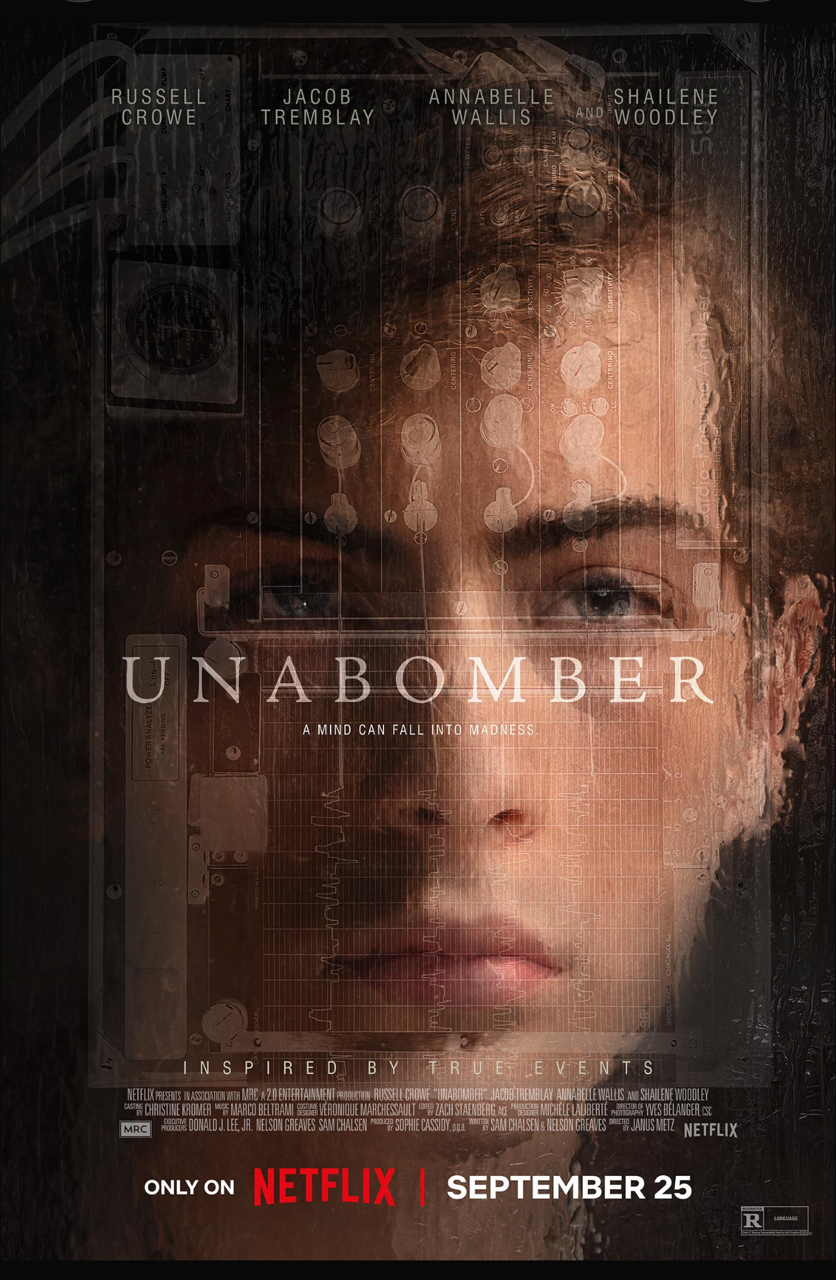 Greetings again from the darkness. One of the most frightening things in existence is when mental illness blends with brilliance. Ted Kaczynski was a 16-year-old math prodigy at Harvard in 1958, and then arrested in 1996 after being identified as the Unabomber. His reign of terror covered 1978 through 1995, and his bombings were responsible for three murders and twenty-three injuries. The manhunt was the longest and most expensive in FBI history.
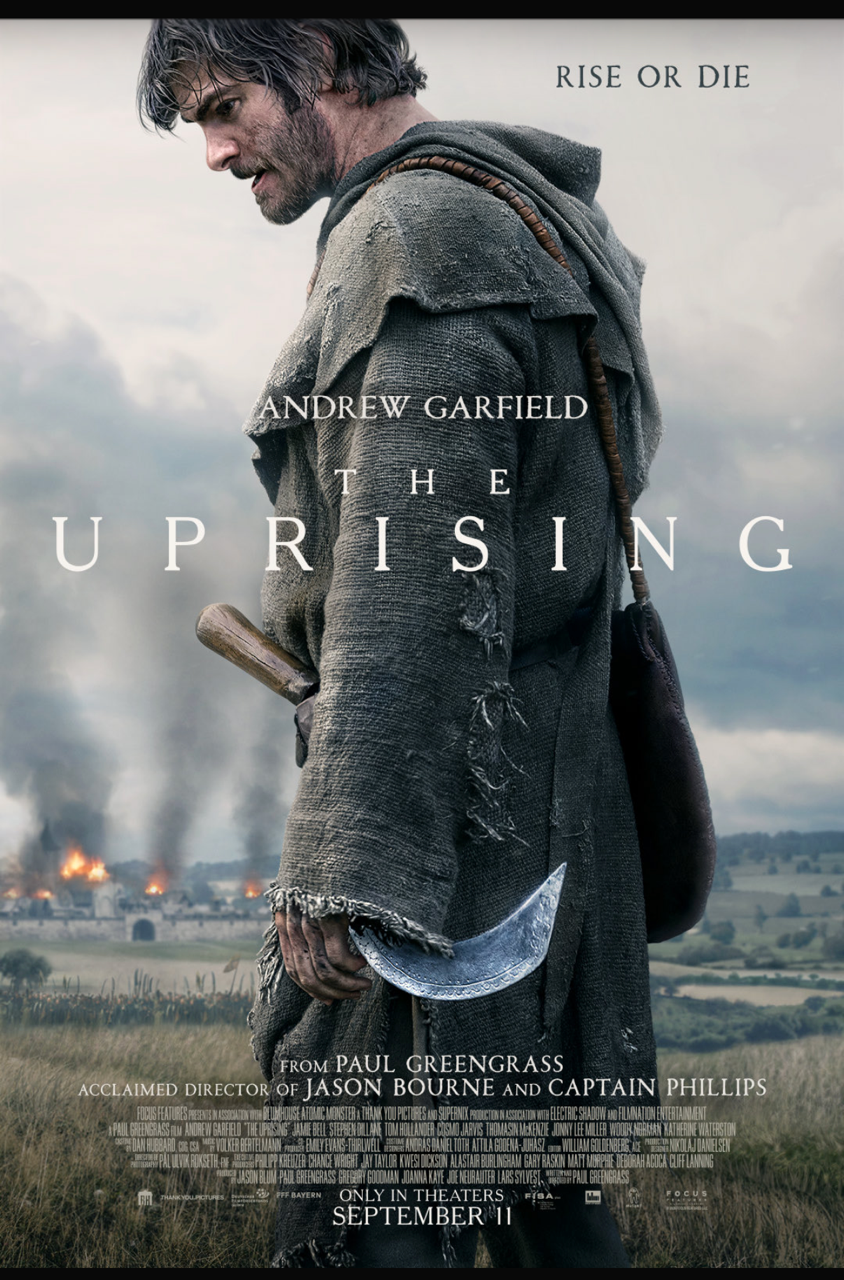 Greetings again from the darkness. It can be challenging to relate to an historical drama set in the 14th century, yet the Peasants’ Revolt of 1381 in medieval England sometimes hits quite close to home. Writer-director Paul Greengrass directed three of the Jason Bourne movies, so we can expect the action sequences to be frenetic and thrilling … often relying too heavily on handheld cameras.
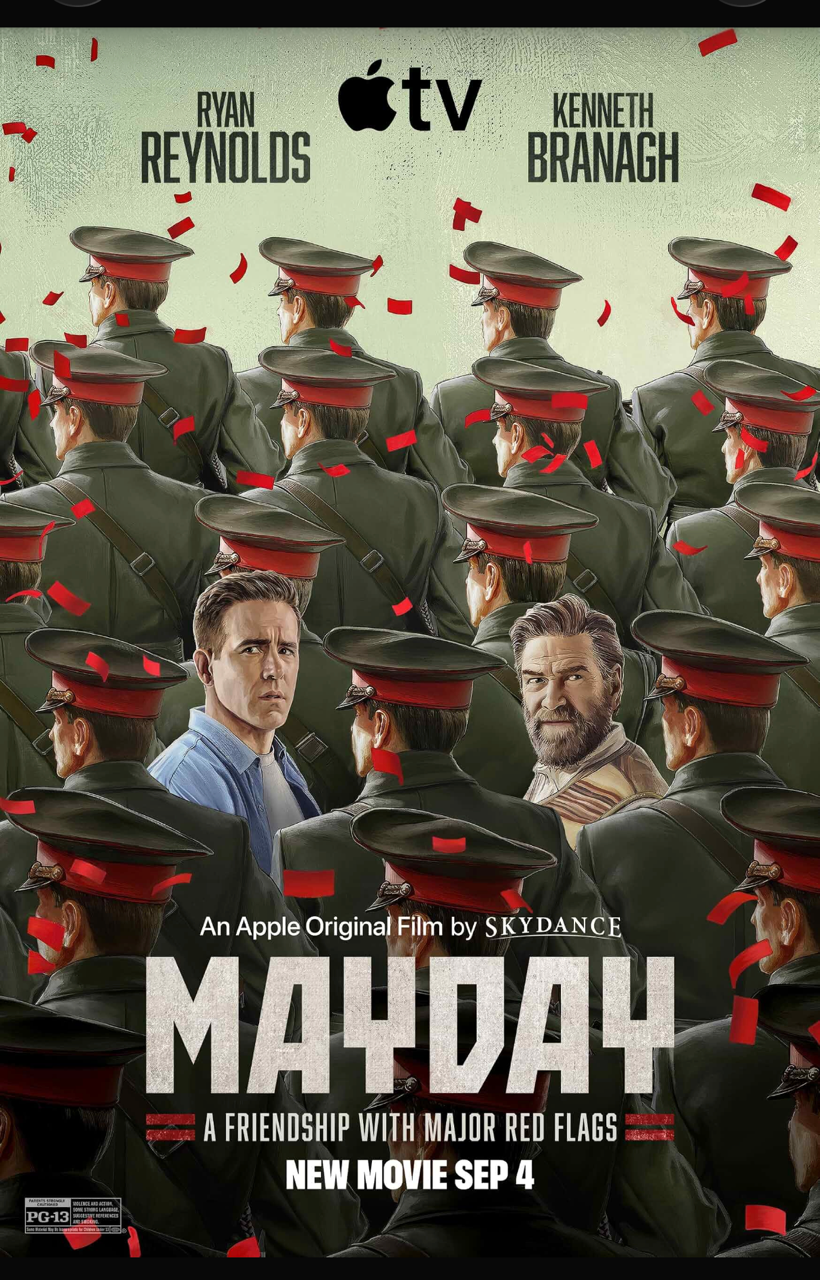 Greetings again from the darkness. I guess we were due for a “Cold War Buddy Comedy”. And who better to deliver than co-directors John Francis Daley and Johnathan Goldstein, the team behind GAME NIGHT (2018) and DUNGEONS & DRAGONS: HONOR AMONG THIEVES (2023). This time out, they deliver excellent visuals to go along with stellar comedic chemistry between first class wisecracker Ryan Reynolds and expert straight man (and Oscar winner) Kenneth Branagh.
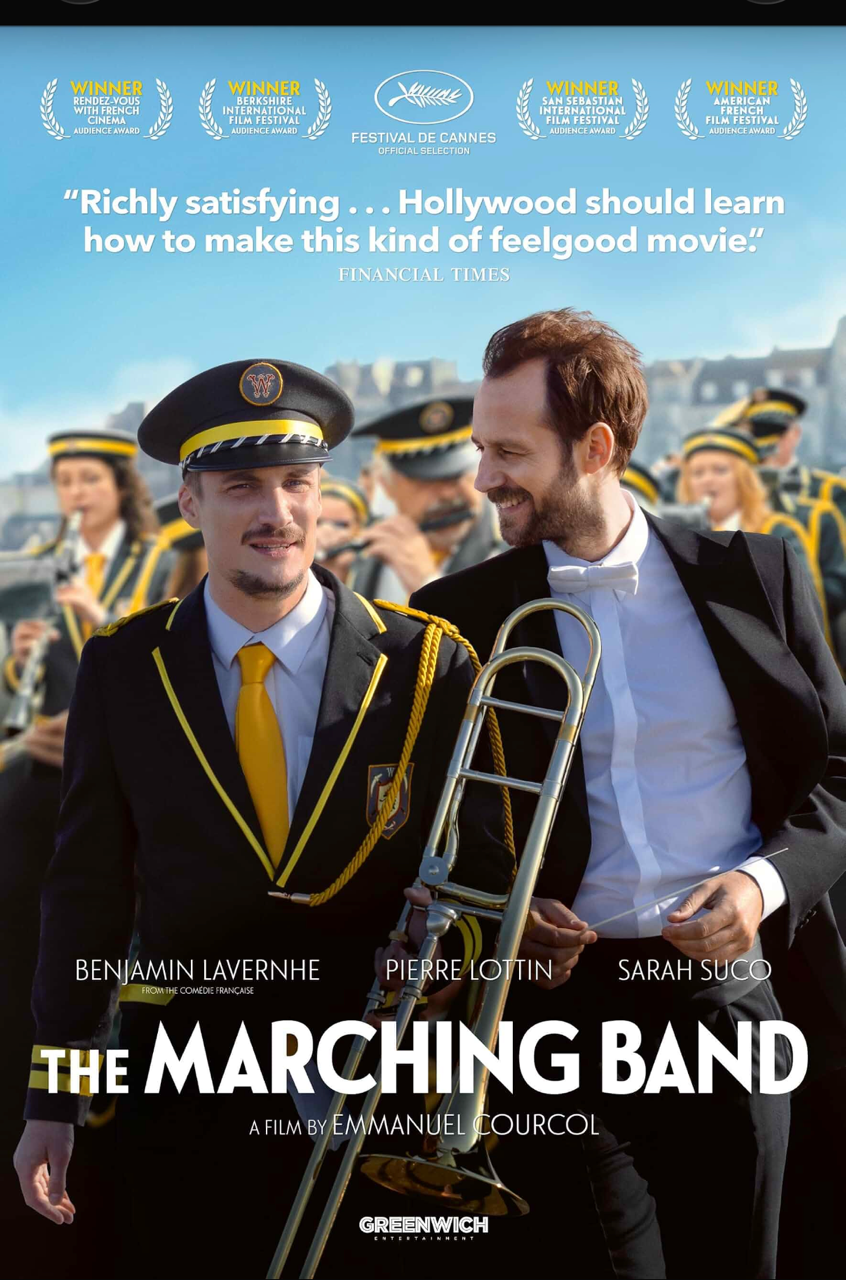 Greetings again from the darkness. Circumstances. Fate. Luck. Determination. It’s been said that what we make of our lives is up to us. Still, it seems likely that these factors play a role- often a significant role. Writer-director Emmanuel Corcol and co-writers Irene Muscari, Oriane Bonduel, and Khaled Amara have delivered a film that’s touching, funny, and grounded in emotional sincerity. The film never moves too quickly or too slowly, instead allowing the characters to guide the pace.
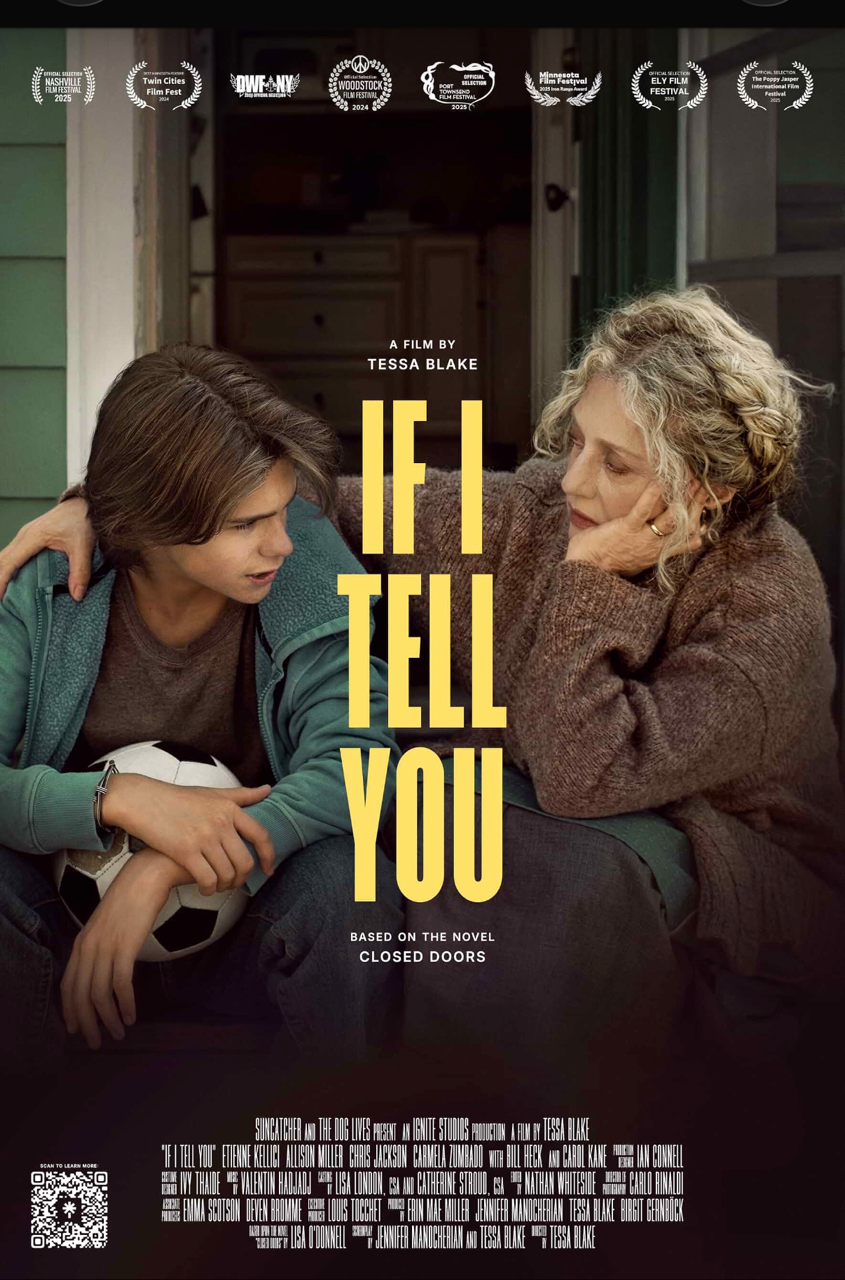 Greetings again from the darkness. Writer-director Tessa Blake and screenwriter Jennifer Manocherian have adapted Lisa O’Donnell’s 2014 novel, “Closed Doors”, and set the story in small town Minnesota rather than Scotland. This relocation works beautifully thanks to the contrast of the wide-open natural spaces of Boundary Waters with the claustrophobic nature of family life. Parents are tasked with a balancing act: protecting kids with teaching them, while also maintaining our own peace of mind. Where is the line between being honest with kids and protecting them from situations that are beyond their age bracket?
