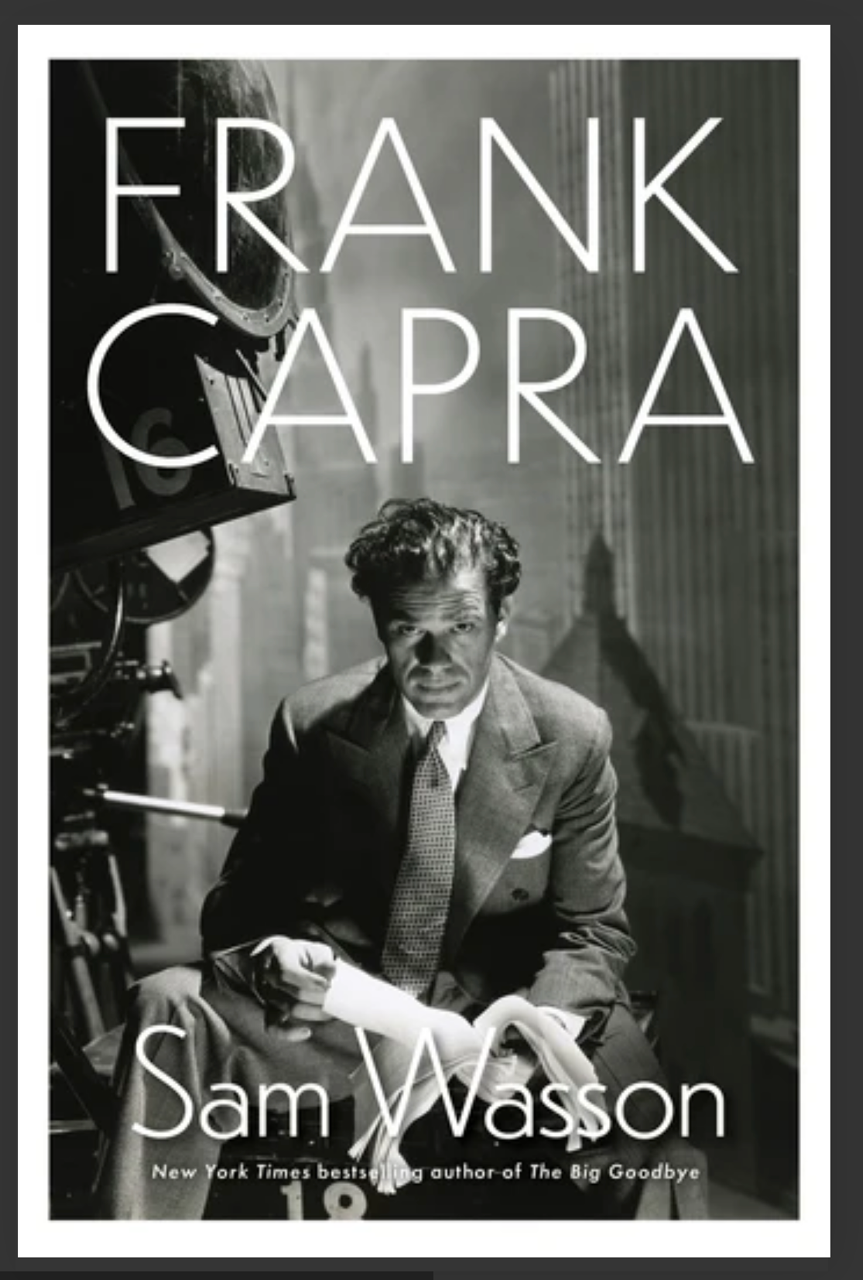
 When a biographer assumes the weight of researching and writing about a legend within a particular industry, few undertake a man so complex, or with a career so relevant, or a life so intertwined with history as filmmaker Frank Capra. But then, few writers are as accomplished as Sam Wasson, known for numerous movie industry-based books, including my personal favorite, “The Big Goodbye: Chinatown and the Last Years of Hollywood”. With access to Capra’s personal archives, Wasson goes deep on multiple aspects of Capra’s fascinating life … a life of ups and downs; and one that certainly proves the adage: “Each man’s life touches so many other lives.”
At nearly 660 pages, the book requires a serious commitment from the reader. Fortunately, the reward is a journey that covers Capra’s family’s emigrating to this country, his achievement of the American dream, the height of recognition and fame, and a lasting legacy with beloved films. Beyond those familiar pieces, we go back to the times when Hollywood was discovering sound and developing the popularity of movies; some of the impact of the Great Depression; the devastation, sacrifices, and true patriotism of World War II; and the cultural and economic shifts of a post-war universe. Wasson even dives into the scandal of communism, blacklists, and naming names … and the role of the House Un-American Activities Committee.
Many of Frank Capra’s affiliations throughout his career are well known: Columbia Pictures founder Harry Cohn, renowned screenwriters Robert Riskin and Jo Swerling, and A-list movie stars Barbara Stanwyck and James Stewart. Writer Wasson explores each of these relationships, in addition to going deep on lesser-known topics like Capra’s organizational and political involvement with the Academy and Directors Guild, and his direction of propaganda films under the banner “Why We Fight” during WWII. What sets this book apart are the stories and details attached to each of these.
Speaking of stories, Wasson includes little vignettes throughout … things we’ve never previously heard, yet they provide a better understanding of Capra the person, rather than merely Capra the famous director. Will Rogers at the Academy Awards is certainly a shocking incident, a personal moment with President Franklin Roosevelt at the White House is memorable, and there are a few marital items included involving Capra and Lu, his wife and key supporter for more than fifty years. An extensive section on James Stewart is included, outlining his service as a fighter pilot – all of which is connected to his relationship with a director (and man) he trusted, Frank Capra.
As one would expect (and hope for), there is a section of the book dedicated to IT’S A WONDERFUL LIFE (1946) – this after dropping many related nuggets throughout the book. Some may think even more should have been included regarding this most beloved movie, however, Wasson delivers significant details surrounding topics like the communism fallout in Hollywood and how Capra was involved (an informant) and impacted. Once again, it’s the specifics that make the difference. It’s staggering how Frank Capra rose from deep poverty to become a part of so many aspects of American history, while working in the movie industry from the 1920’s through the 1960’s. Movie lovers remember him for his classic movies (sometimes referred to as Capra-corn) like IT HAPPENED ONE NIGHT (1934, 5 Oscars), MR DEEDS GOES TO TOWN (1936, one Oscar), LOST HORIZON (1937, 2 Oscars), MR SMITH GOES TO WASHINGTON (1939, one Oscar), and IT’S A WONDERFUL LIFE (1946). Sam Wasson’s book ensures that this wonderfully complex man … one who was sometimes controversial … receives the full life treatment. It’s a treatment that’s quite a treat for the reader.
Available from HARPER COLLINS beginning October 27, 2026
Available from AMAZON beginning October 27, 2026


 Posted by David Ferguson
 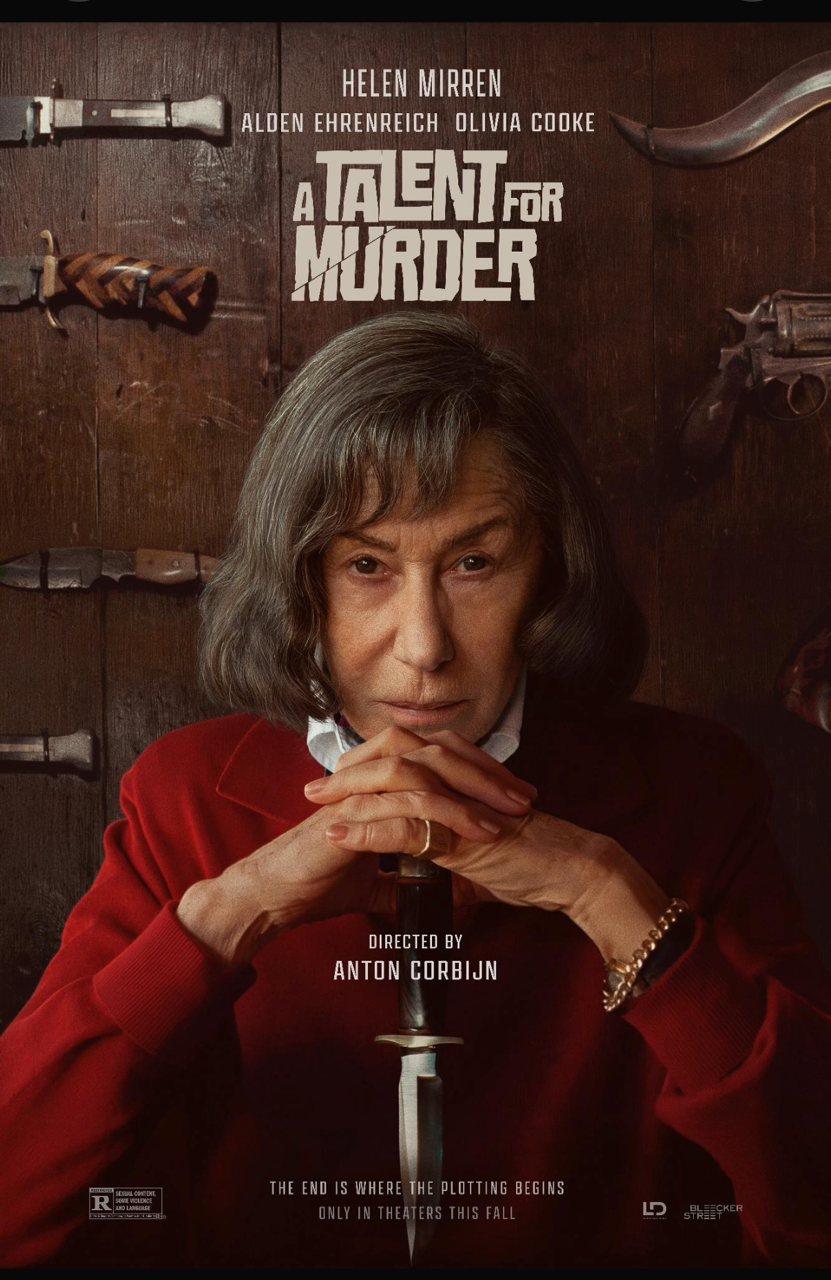 Greetings again from the darkness. She wasn’t yet 30 years old when her first novel, “Strangers on a Train” was published. A year later, Alfred Hitchcock directed the film version, an opportunity many writers would kill for. Patricia Highsmith then crafted a career writing about murder, or the threat of it. Her most famous character, Tom Ripley, was central to five of her novels, or what’s been called “The Ripliad”. On screen, the Ripley role has been played by Alain Delon, Dennis Hopper, Matt Damon, John Malkovich, Barry Pepper, and Adam Scott (in the recent terrific mini-series, “Ripley”).
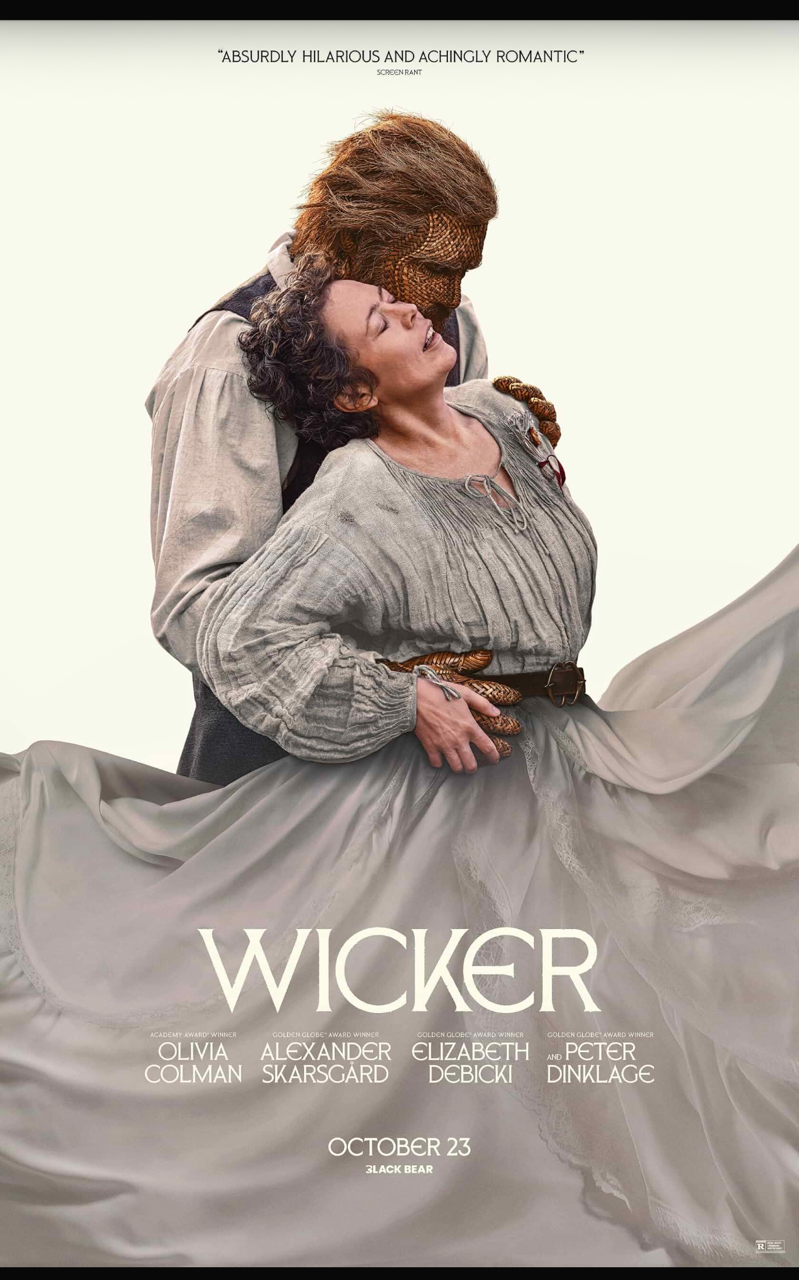 Greetings again from the darkness. The husband and wife co-directing and co-writing team of Alex Huston-Fischer and Eleanor Wilson have delivered the pleasant surprise film of the year. It’s based on the 2008 short story, “The Wicker Husband”, written by Ursula Willis-Jones and it manages to be thoroughly entertaining while poking around into human psychology.
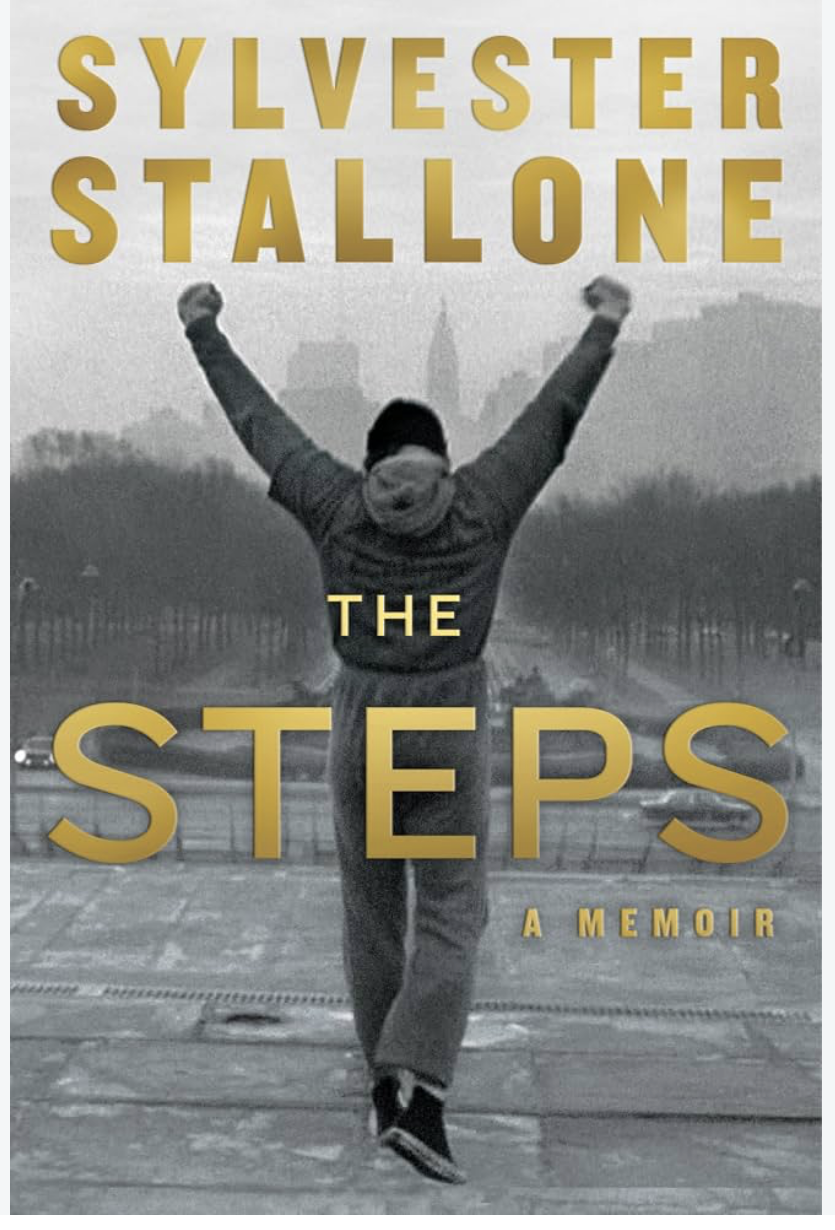 Most anyone who has seen the 1976 movie ROCKY would describe it as inspirational. Still, I can’t help but wonder how many movie lovers would apply that same label to Sylvester Stallone, the man who starred in the film and wrote the screenplay. My guess is that not many would. For the past fifty years, the public persona of Stallone has been as a mega-wealthy mega-star with a full serving of ego and multiple marriages. Perhaps that fed his desire to pen an autobiography that details his rise from poverty … a rise attributed to resilience, perseverance, determination, and talent. It’s a story only he could tell, and he does so in a manner that finds him likable and relatable – and one to admire and respect.
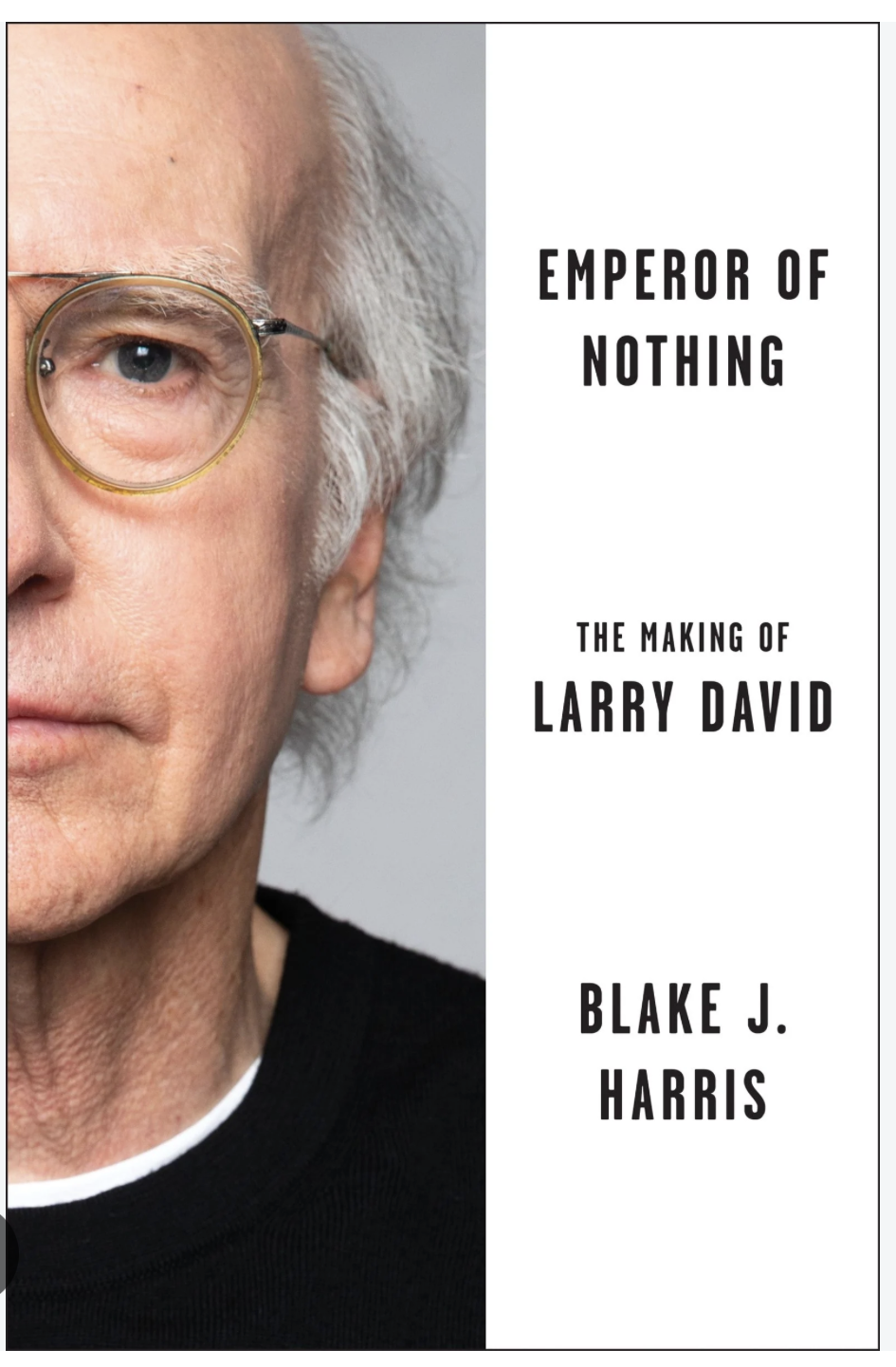 No one should question whether a biography on Larry David is justified. Very few have achieved the level of success he’s had over the past thirty-plus years with not just one, but two of the most popular TV shows in history … one of which regularly appears on the lists of all-time bests. No, the only real question comes down to whether that’s worth 550 pages. As a huge “Seinfeld” fan and one who found much of his backstory quite interesting, I’ll admit, in Larry David language … it’s just too much.
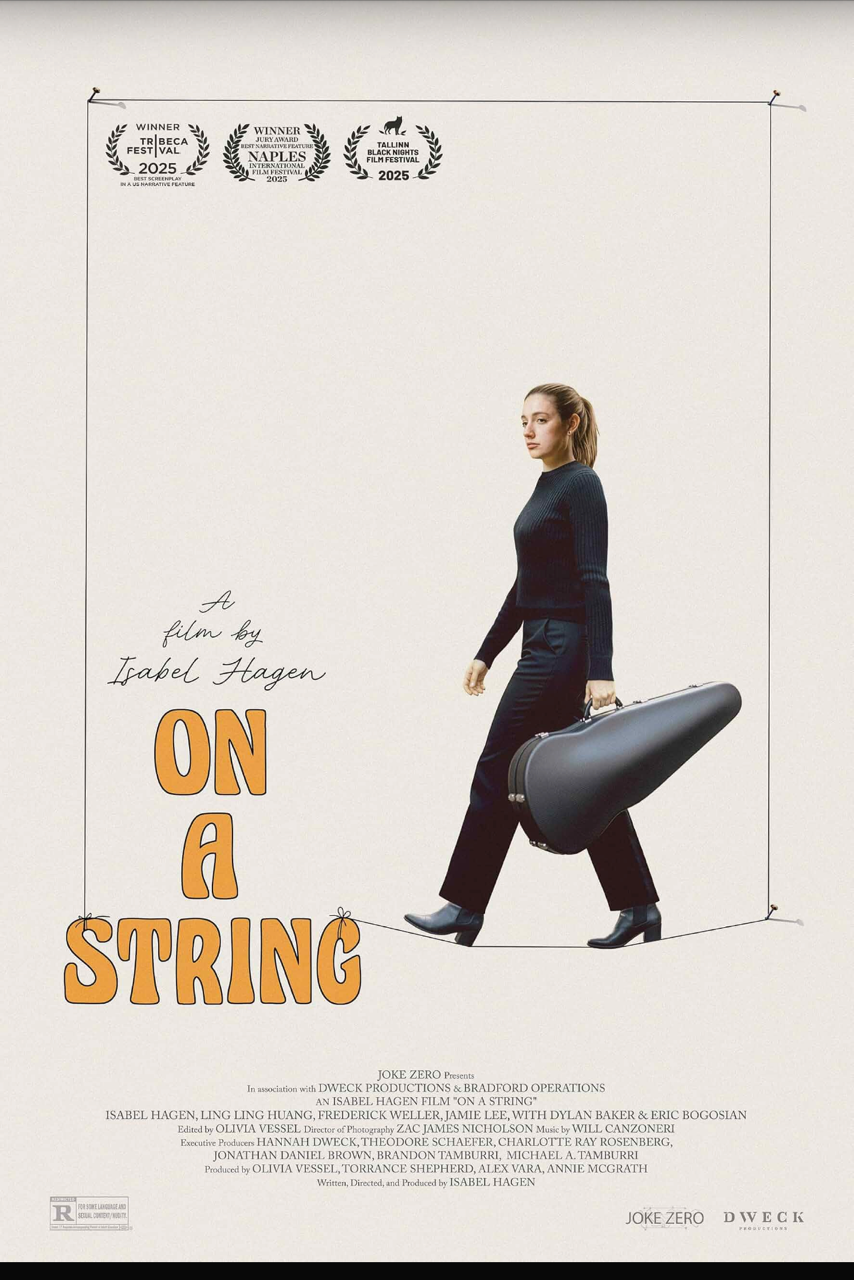 Greetings again from the darkness. So, what does one do with excess creative urges when one is a Julliard trained violist and a successful stand-up comedian? Well … how about writing, directing, and starring in a film filled with authenticity and familiar everyday struggles (even for those of us who aren’t classically trained). That’s exactly what Isabel Hagen has done, and the result is a gem of indie filmmaking.
 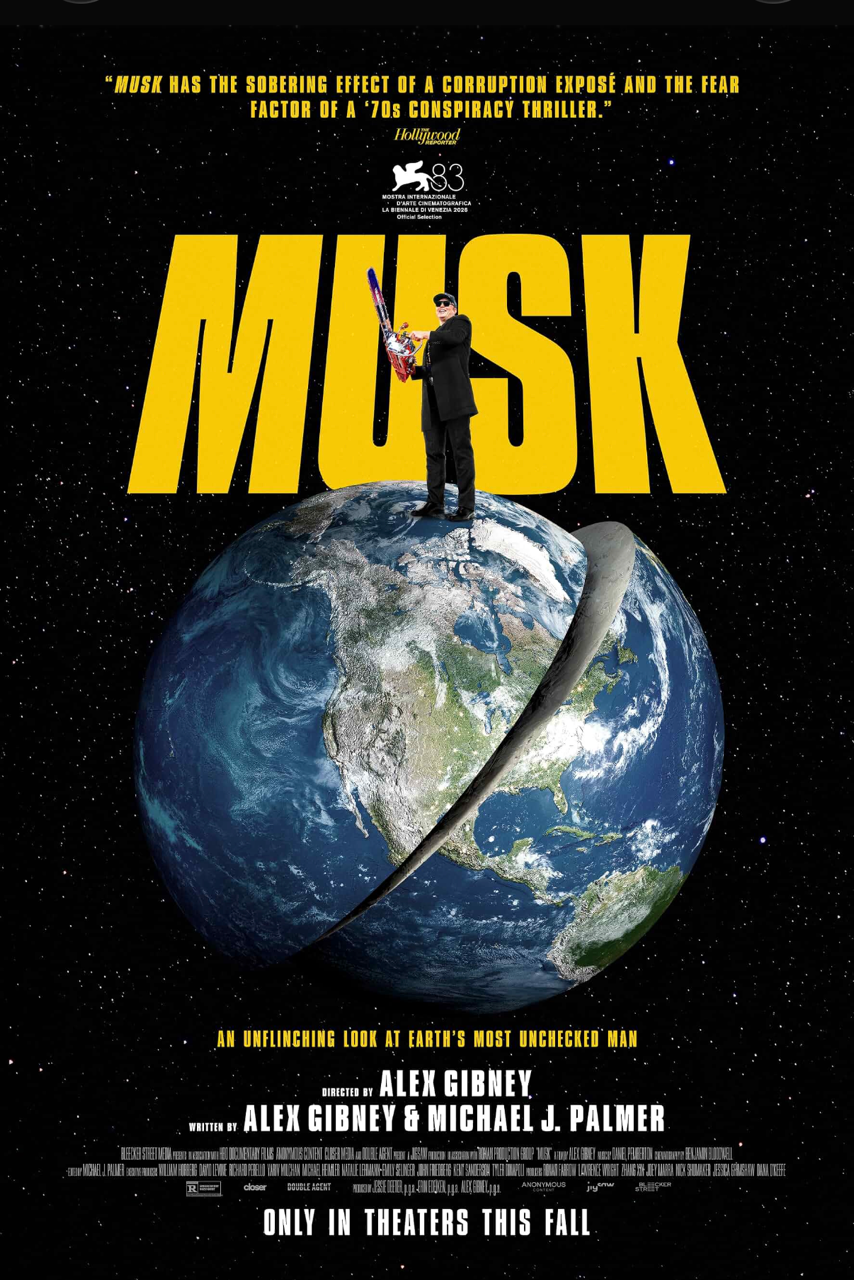 Greetings again from the darkness. A four-hour documentary would be overkill for most individuals, but when the subject is Elon Musk, the run time seems fitting, if not a bit short. This profile was put together by Oscar winner Alex Gibney, one of the best documentarians working today. His previous work includes ENRON: THE SMARTEST GUYS iN THE ROOM (2005); TAXI TO THE DARK SIDE (2007); STEVE JOBS: THE MAN IN THE MACHINE (2015); the first Elizabeth Holmes doc, THE INVENTOR: OUT FOR BLOOD IN SILICON VALLEY (2019), and this year’s KNIFE: THE ATTEMPTED MURDER OF SALMAN RUSHDIE.
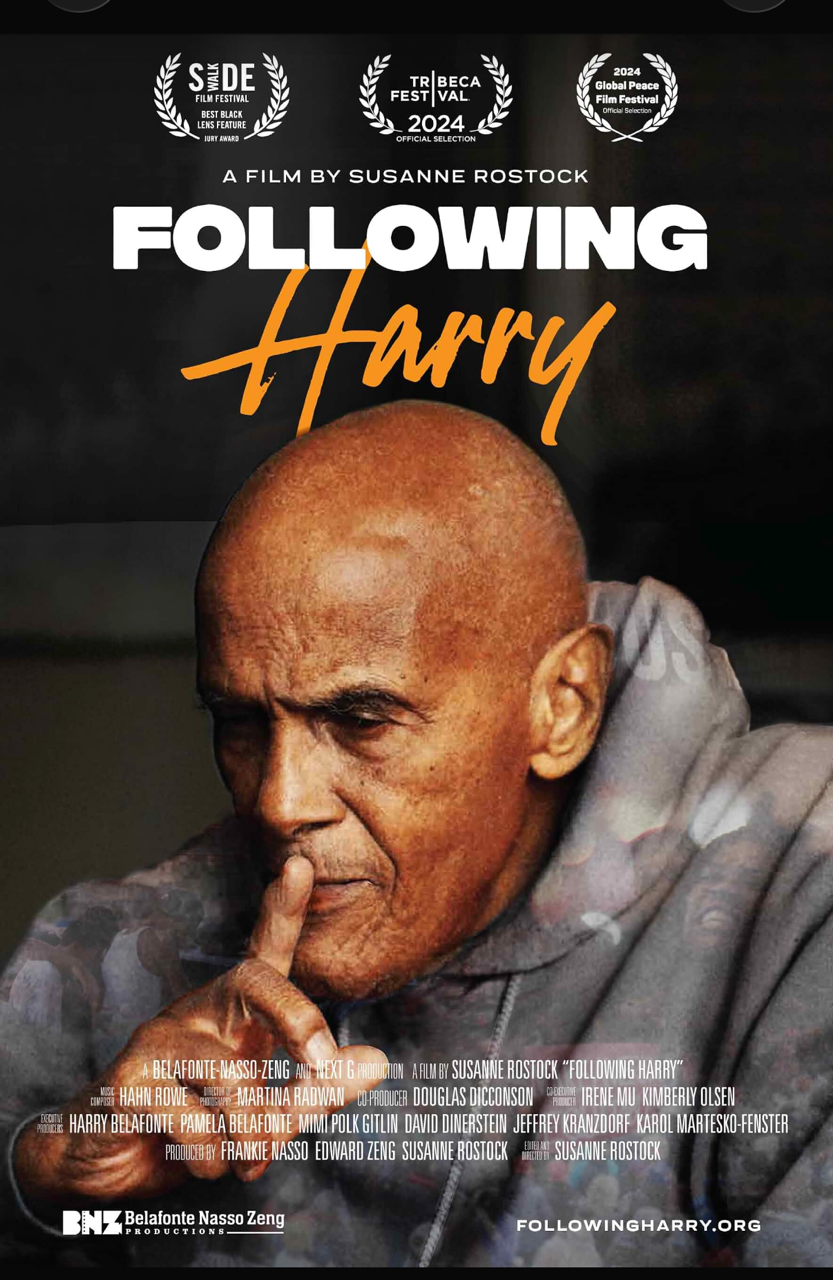 Greetings again from the darkness. Watching someone work so diligently for the greater good and to make the world a better place is so inspiring. And these days, it feels revolutionary and strange. Documentarian Susanne Rostock previously filmed a Harry Belafonte biopic, SING YOUR SONG (2011), and fortunately for our sake and for history, she was able to spend time with him prior to his passing in 2023. Those discussions with the man (in his 90’s) provide insight into what made him tick, what drove his activism, and what he viewed as his final mission.
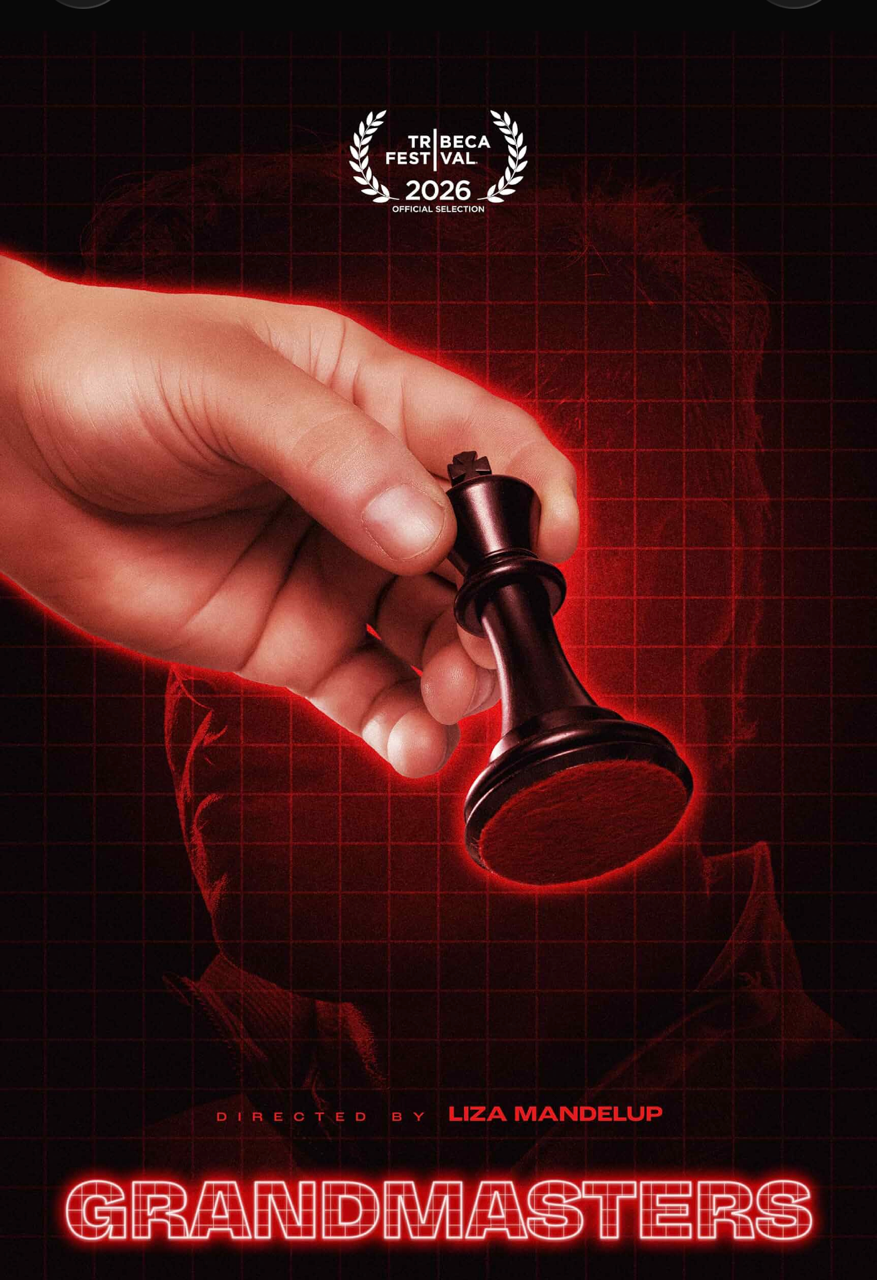 Greetings again from the darkness. As one of the most popular TV mini-series of the past few years, “The Queen’s Gambit” taught most of us what we know about competitive chess, including the decorum of tournaments and the mutual respect between players. Documentarian Liza Mandelup (JAWLINE, 2019) steps up to set the record straight by taking us inside the real world.
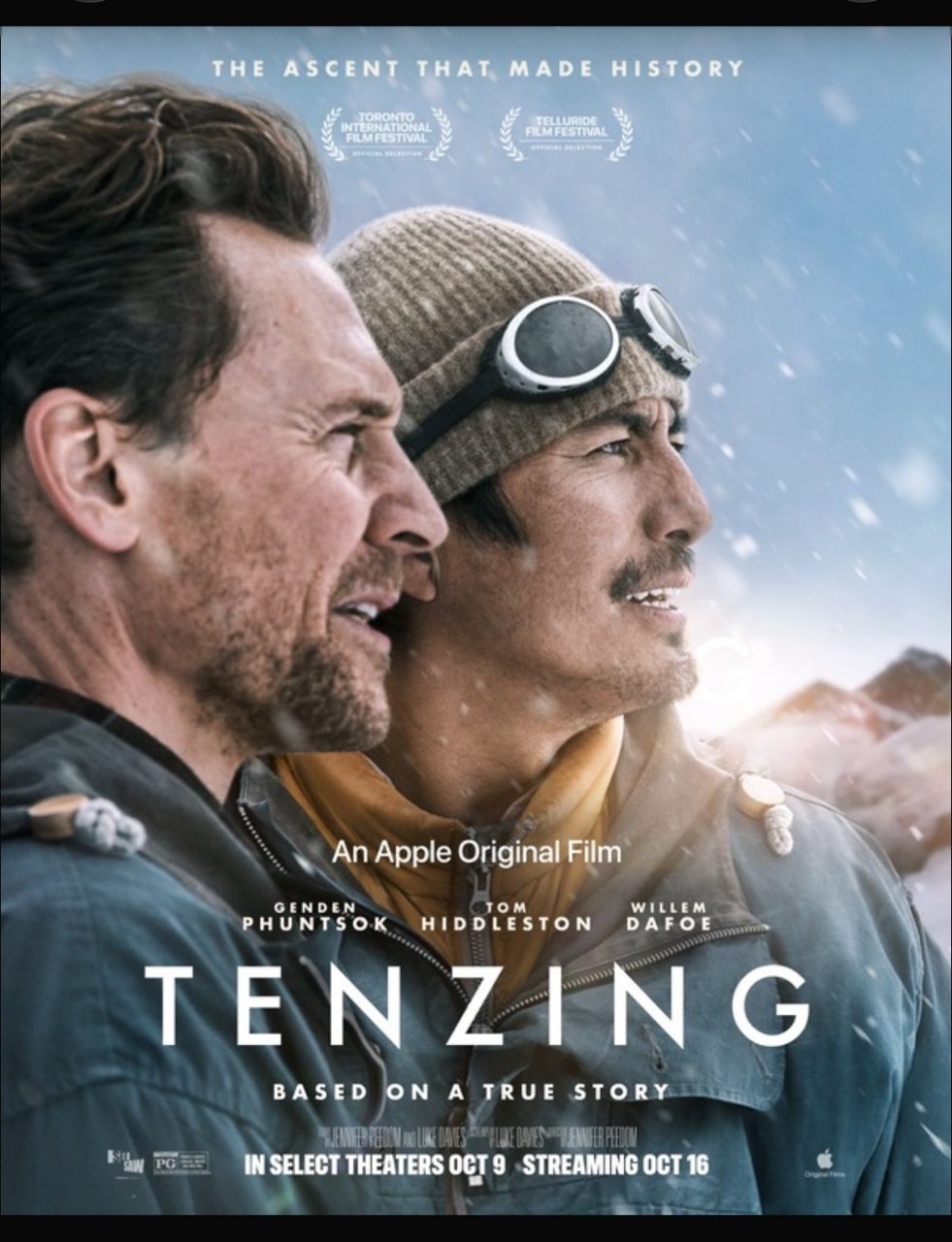 Greetings again from the darkness. Simply perusing the list of documentaries helmed by Jennifer Peedom (SHERPA, 2015; MOUNTAIN, 2017; RIVER, 2021) gives the impression that she’s not one to spend most days lounging in the recliner watching network television. While her latest is not a documentary film, she co-wrote with Luke Davies (LION, 2016) and based it on a true story written by Ed Douglas in his 2003 book, “Tenzing: Hero of Everest”. It’s a story most aren’t familiar with, or more accurately, it’s about a man most aren’t familiar with.
