 Greetings again from the darkness. Skipping the many films based on and around WWII and the Holocaust is understandable. Even the uplifting stories of heroism and survival are unsettling and tough to watch. However, so many lives lost in the name of a power-hungry madman means these stories must continue to be told – as a reminder to folks how dangerous and tragic it can be to blindly follow an authoritarian. Writer-director James Vanderbilt’s (TRUTH, 2015) second time directing is based on the writing of Jack El-Hai in “The Nazi and the Psychiatrist”.
Vanderbilt opens the film by stating it’s “based on the accounts of those who lived through it and those who didn’t”. It’s May 7, 1945. Hitler and many other Nazi officers are dead from suicide. The last day of the war finds Reichsmarschall Hermann Goring (Oscar winner Russell Crowe) surrendering to Allied troops. We are immediately struck by Crowe’s ability to create an air of superiority around Goring, even as he surrenders. Goring is imprisoned at Nuremberg, and what happens next is a reminder of how crucial humanity and justice are, even in times of war and in the face of atrocious activities by others.
While many want Goring and any remaining Nazi officials immediately executed, Supreme Court Justice Robert H Jackson (Michael Shannon) believes a tribunal and public trial are crucial for the allied nations to send the message that justice matters, no matter how heinous the crimes (or the criminals). A U.S. Army psychiatrist, Dr. Douglas Kelley (Oscar winner Rami Malek) is charged with interviewing Goring to ensure he is capable of being tried in court. It turns out that Goring is more than capable and we are drawn in watching the verbal and psychological duel play out between Goring and Kelley. These scenes (Crowe and Malek) are mesmerizing, and Crowe delivers a towering performance – his best in years, and certainly worthy of Oscar consideration. Sgt Howie Triest (Leo Woodall) is present as a translator, though his place carries more weight later in the story.
Prior to the trial, another excellent scene plays out at the Vatican as (now) lead prosecutor Jackson strong arms the Catholic church into supporting the trial. Unlike Stanley Kramer’s fantastic 1961 film, JUDGMENT AT NUREMBERG, most of this one takes place outside of the courtroom. However, once it moves to trial, Jackson and co-counsel Sir David Maxwell-Ffyfe (Richard E Grant) find going toe-to-toe with Goring is every bit as challenging as Kelley had reported. Devastating concentration camp footage is shown to display the shock of those seeing it for the first time. The last bit of the story is about Kelley and his book centered on his sessions with Goring. Overall, the historical accounts have been scaled back for accessibility and brevity (despite the film’s 148-minute run), yet we never lose sight of the importance of the trials.
Opens in theaters on November 7, 2025


 Posted by David Ferguson
 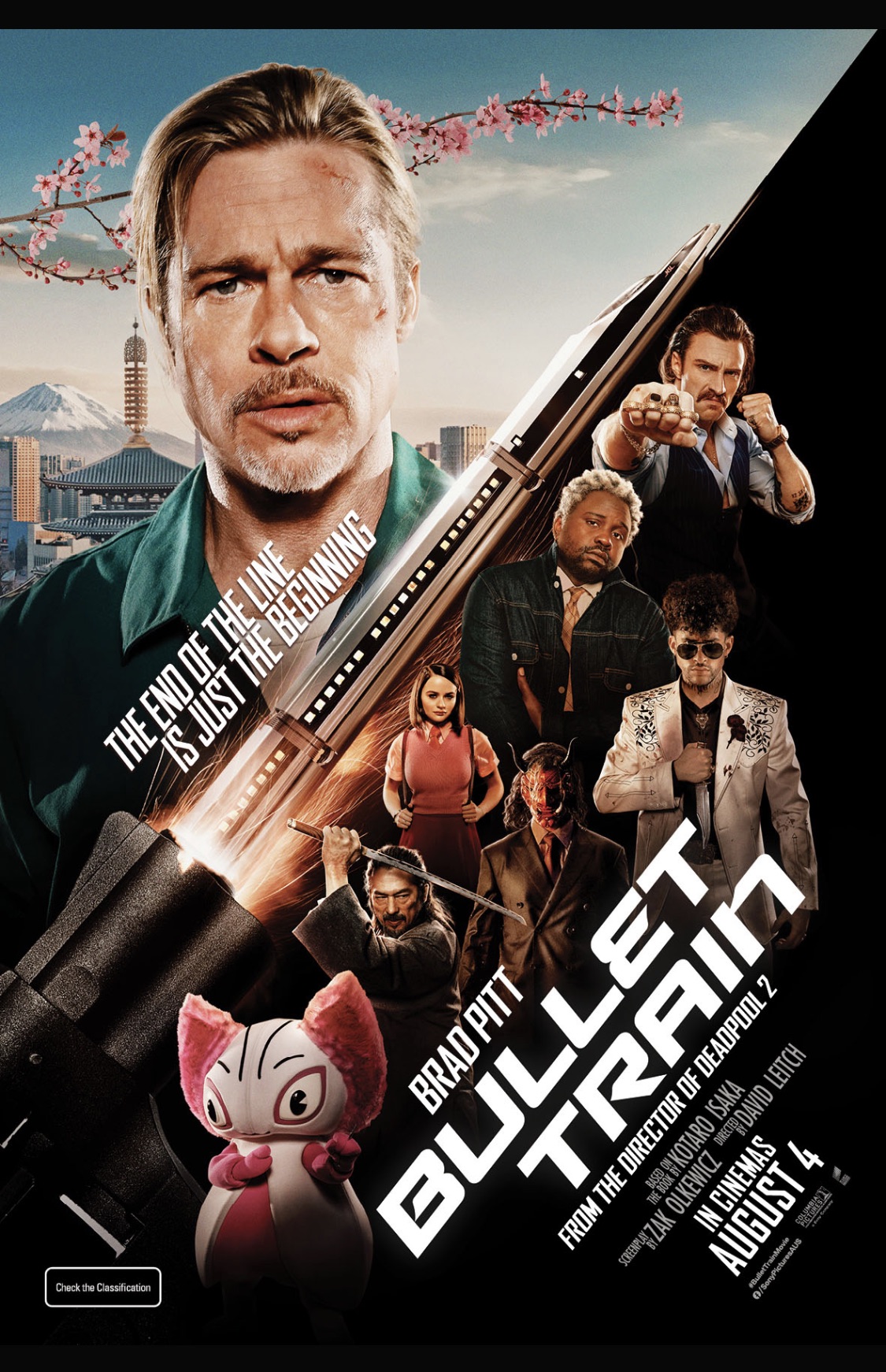 Greetings again from the darkness. If you are one that still needs proof that movie stars matter, this latest from director David Leitch (a former stuntman who also directed ATOMIC BLONDE, 2017) and screenwriter Zak Olkewicz (adapted from Kotaro Isaka’s 2010 novel, “Maria Beetle”) may be submitted as evidence. Replace Brad Pitt with almost any other actor, and this one becomes borderline unwatchable. However, with the Oscar winner, there is sufficient charm, humor, and entertainment to keep us around for the more than two hour run time.
 Greetings again from the darkness. We’ve seen most of this before in a long list of inspirational sports stories where the beleaguered, tough as nails coach comes in and unites a rag-tag team while teaching life lessons. However, with (2-time Oscar nominee) Michael Shannon cast as the coach, we know there will be at least one performance worth watching. The screenplay is from Vojin Gjaja and it’s directed by Michael Mailer (son of 2-time Pulitzer Prize winning author, Norman Mailer).






 Movie Reviews from the Dark