 Greetings again from the darkness. It’s inexplicable how so much hate-based violence was ignored by the mainstream media for so long. Documentarian Dawn Porter is here to correct some of that. The film opens as a backhoe breaks ground in search of a mass grave site in Tulsa. If you watch or read the news, you have seen the current day reporting of the 100 year old massacre that occurred in 1921 in Greenwood, the “Black Wall Street” area of Tulsa. Over two days, an angry white mob killed hundreds of blacks, destroyed buildings and homes, looted valuables, and displaced thousands.
Details of the Tulsa massacre have finally been brought to light, but Ms. Porter, working in conjunction with “Washington Post” reporter DeNeen Brown, also pulls back the cloak of secrecy on how the Red Summer actually began in 1919 with tragic and violent events that led up to Tulsa. These events occurred in East St Louis, Omaha, Washington DC, and Chicago. We learn that Elaine, Arkansas still refuses to search for what might be one of the largest mass grave sites in U.S. history. Of course, the connection to the modern era is easily traced to the 1992 Los Angeles riots and too many other events to list here.
The film is well-researched and well-documented. Reporter Brown acknowledges picking up the torch left by Ida B Wells, whose courageous reporting and research were instrumental in leading to these stories getting published – even if it’s decades later than it should have been. Historians and academic leaders are given a platform to discuss how the media previously ignored these stories, and the 1990s interviews with survivors of the Tulsa massacre are especially poignant.
Tulsa’s mayor, GT Bynum, and Reverend Dr Robert Turner, are both working in their own way to find justice for those impacted. Bynum’s directive for mass graves is: location, excavation, and identification, so that names will be known. Turner is pushing for reparations as the main form of justice. The talk of reparations and the importance of the Black Press are provided substantial emphasis in the film, and the inclusion of D.W. Griffith’s racist 1915 film, THE BIRTH OF A NATION, allows for familiar and distinctive visuals to reinforce the points being made. The old saying is that there are two sides to every story, but in this case, the hatred on one side deserves no attention, while the stifling of the victims’ stories has gone on for too long. Dawn Porter’s film ensures the story doesn’t remain buried.
Premieres on NatGeo and Hulu on June 18, 2021


 Posted by David Ferguson
  Greetings again from the darkness. Over the past 5 decades, the number of bands that have broken up is, well, almost all of them. For two brothers to write songs and perform together over that span, and still be at it in their 70’s is remarkable. Sparks is made up of Ron Mael and younger brother Russell. They’ve published 25 albums with 300 songs, and performed thousands of concerts. Somehow they still like each other, respect each other, and work well together. As unusual as their music is and as strange as their stage show can be, it seems only fitting that their cinematic profile would be directed by Edgar Wright, who is best known for
 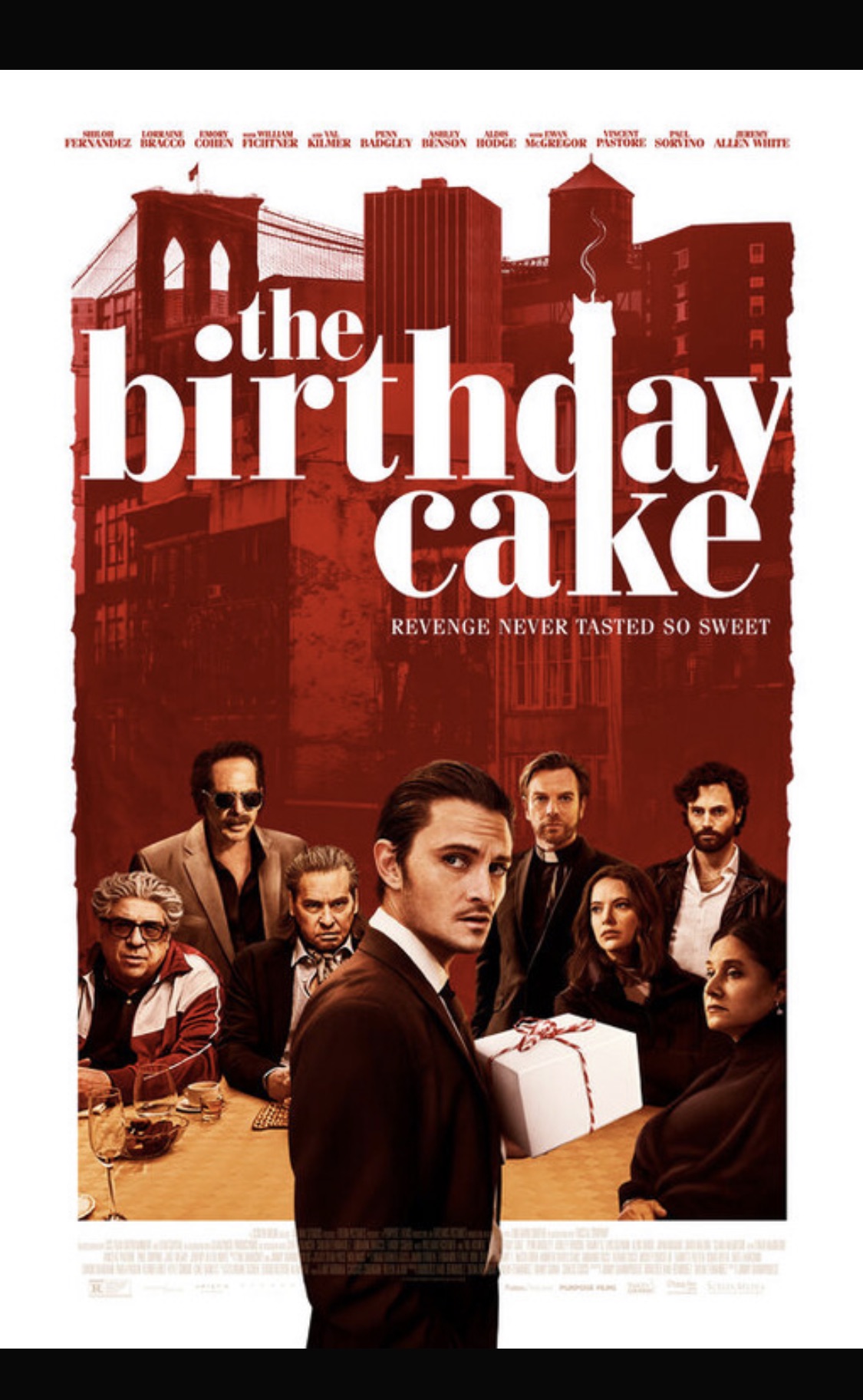 Greetings again from the darkness. All it took was one look at the cast for me to agree to watch and review this mob film. It’s the first feature film from writer-director Jimmy Giannopoulos, and he co-wrote the screenplay with Diomedes Raul Bermudez and Shiloh Fernandez (who also stars). Most will agree the world never really needs another mob movie, but gosh, when they work, they are quite fun to watch. Filmmakers Guy Ritchie and Martin Scorsese have figured this out.
 Greetings again from the darkness. Even those of us who aren’t “Southies” know the name James “Whitey” Bulger. Johnny Depp portrayed him in
  Tribeca Film Festival 2021
 Greetings again from the darkness. Ty Roberts is a native Texan and Austin-based director committed to bringing Texas tales to the big screen. His previous film was
  Greetings again from the darkness. Life in the Midwest rustbelt is often portrayed in movies, but rarely with the authenticity displayed in the first feature film from writer-director Nicole Riegel. These are hard-working folks who maintain hope and keep pushing through the challenges brought on by the collapse of the factory world that left generations in its wake. It’s a spinoff of Ms. Riegel’s own 2015 short film of the same name, and the story is inspired by her own upbringing in Ohio.
 Greetings again from the darkness. Will Hayes is likely the only film censor most movie buffs can name, and it’s been more than ninety years since the “Hays Code” first went into effect. Despite the relative obscurity of the profession, the first feature film from Prano Bailey-Bond, places censor Enid Baines (Niamh Algar,
  Greetings again from the darkness. At one time or another, we’ve all been awed by a cinematic special effect. Some remarkable work is being done by the specialists in the industry, adding previously unimaginable elements to movies. As with most good things, too much of it can be detrimental to a cause. The latest greatest example of this is with Antoine Fuqua’s (
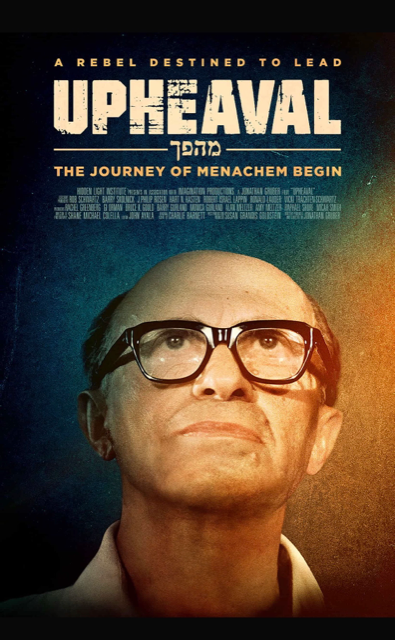 Greetings again from the darkness. In the United States, we now fully understand what it means to have a controversial leader; however, a four year Presidential term pales in comparison to a lifetime commitment to a cause, which describes Menachem Begin’s devotion to the Jewish people. Documentarian Jonathan Gruber paints a comprehensive portrait of a born leader – one who is often misunderstood – and his place in history. With the recent rise in violence between Hamas and Israel, this history lesson is especially timely.
