BOTH SIDES OF THE BLADE (2022, France)

July 7, 2022

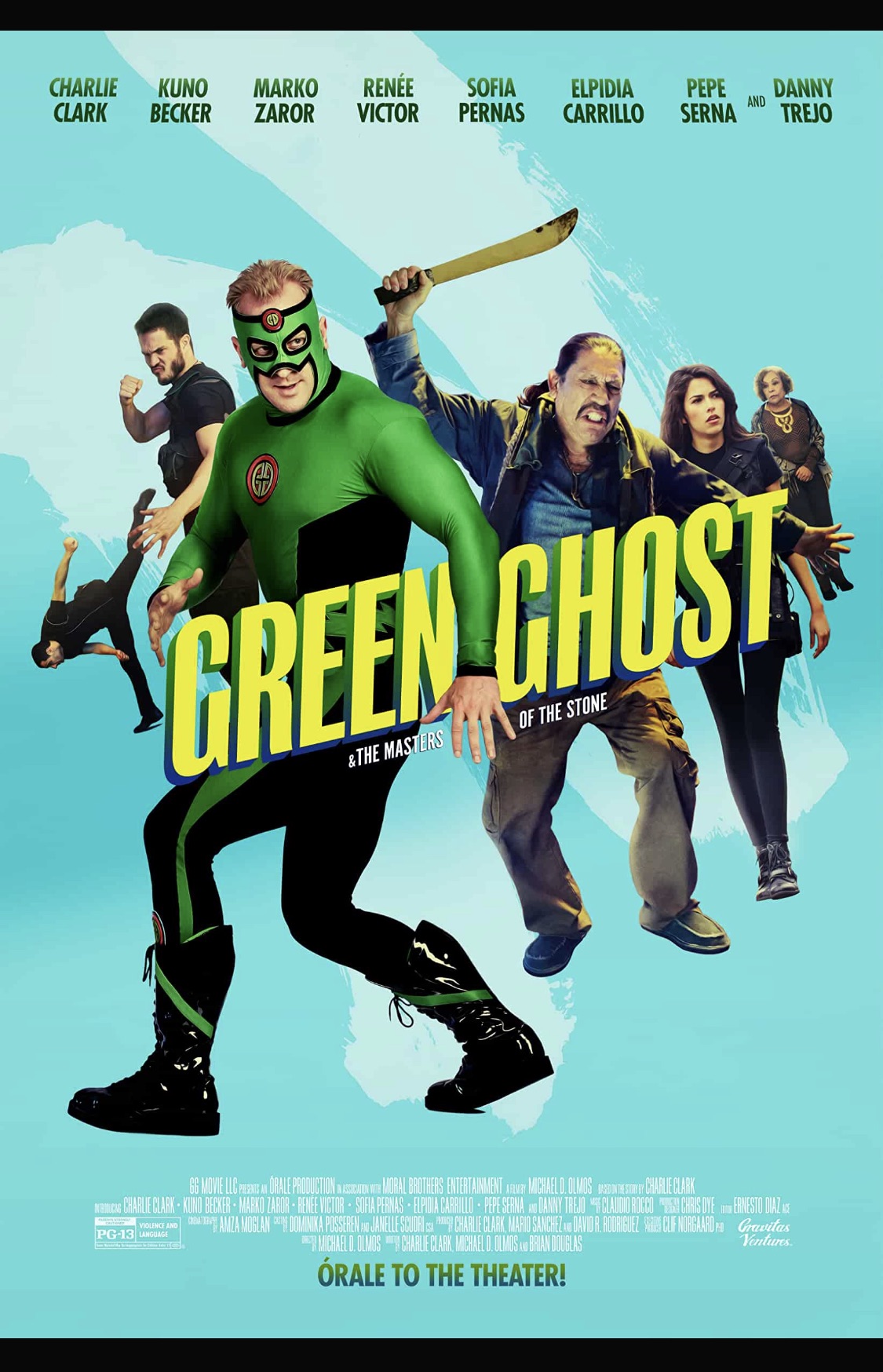
Greetings again from the darkness. If you are one of the many who need someone to cheer for – a nice person – in order for a movie to work for you, then this latest from renowned French director Claire Denis (BEAU TREVAIL, 2019) is going to be a challenge. Ms. Denis co-wrote the script with Christine Angot (they previously collaborated on LET THE SUNSHINE IN, 2017), an adaptation of Ms. Angot’s novel.

Oscar winner Juliette Binoche stars as Sara, and we first see her whilst on an idyllic retreat with her long-time lover Jean, played by screen veteran Vincent Lindon. Sara and Jean are clearly happy and in love. When they return to Paris, we learn Sara is a talk show host for Radio France International, and Jean is a former Rugby star who has spent time in prison for an unspecified crime. His son, Marcus (Issa Perica), from a previous relationship is a troubled young man being raised by Jean’s elderly mother, Nelly (Bulle Ogier). Jean has little fatherly sense and makes only a negligible effort to help.

One day, Sara spots her former lover, Francois (Gregoire Colin), on the street. Maybe he sees her, maybe he doesn’t. Sara is overcome with emotion. Sara and Francois were together when she began seeing Jean. To make this the most French situation possible, Francois and Jean were friends and business associates at the time. It’s even implied that Jean’s crime was related to activities connected to Francois. So what happens next? Well, Francois phones Jean to offer him a chance to come back into the scouting business for a new sports agency. It’s at this point where Francois’ motivations come into question. Is he doing his friend a solid, or worming his way back into Sara’s life?

This becomes a love triangle even more complicated than most. Sara deludes herself into thinking she can once again enjoy the fruits of Francois, while also appeasing her beloved Jean. Jean is distracted by issues with Marcus, but also too proud to let Sara walk over him. On full display are the destructive effects of an affair and the lack of respect and appreciation for a strong relationship. When the power of lust and idealistic romance collide, things get emotional. Cinematographer Eric Gautier works wonders in confined spaces. We never feel like the characters have room to breathe after making another poor decision. It’s interesting to see how smoking and taking calls on the apartment balcony becomes the only “space”. The close-ups allow Ms. Binoche and Mr. Lindon to do what they do best. The music is by Stuart Staples and includes a song written especially for the film. Ms. Denis again proves adept at allowing viewers to interpret the actions of all-too-human characters.

Opening July 8, 2022

WATCH THE TRAILER


DREAMING WALLS: INSIDE THE CHELSEA HOTEL (2022, doc)

July 7, 2022

Greetings again from the darkness. Art, sex, drugs, rebellion, counterculture, and even death … that’s the infamous history of New York’s Chelsea Hotel. And for the last decade, it’s been about renovation and ongoing construction, and the persistence of a few long-time residents. Co-directors Maya Duverdier and Amelie van Elmbt deliver an unconventional documentary in that it doesn’t focus on the Chelsea’s iconic place in NYC history. It doesn’t focus on the idols who created art here. In fact, the history of the place takes a backseat to the current residents and the never-ending construction, neither of which are as entertaining as the legendary past.

In a tease, the film opens with a young Patti Smith waxing poetic about what Dylan Thomas might have glimpsed from the same rooftop. This is followed by a montage featuring the instantly recognizable faces of Janis Joplin, Jimi Hendrix, Leonard Cohen (“Chelsea Hotel #2), Marilyn Monroe, Bob Dylan, Andy Warhol, Arthur C Clark, and Salvador Dali, amongst others. That gives you some idea of the place the building holds in the history of art. We then cut to the elderly residents trudging through hallways that are covered in plastic and littered with wires. Some chat it up with the construction workers, while others seem oblivious to the inconveniences – likely just resigned to the daily obstacles.

Most tenants took the buyout offer from the new owners, while others cling with all their might to the low-rent (both definitions) living they’ve grown accustomed to. The Christmas tree in the lobby may or may not indicate the season, and mostly we realize the misery in trying to live one’s daily life amidst the constant accompaniment of hammering, drilling, and sawing. This is more a Sociological case study on gentrification than anything else, despite the filmmakers attempts to tie in the past by projecting the famous faces on the walls.

The closest comparison to Hotel Chelsea is Los Angeles’ equally infamous Chateau Marmont. A 2008 documentary entitled, CHELSEA ON THE ROCKS, provides an interesting look at Chelsea’s historical relevance in the art world, something co-directors Duverdier and van Elmbt seem to care little about. There are two approaches to the Hotel Chelsea that might hold our interest: the past or the future. Unfortunately, this look at the present merely scratches something that doesn’t itch.

Opening in theaters and On Demand beginning July 8, 2022

WATCH THE TRAILER


THOR: LOVE AND THUNDER (2022)

July 5, 2022

Greetings again from the darkness. With a steady stream of Marvel movies and TV serials, maintaining coherent and connected storylines has become challenging. In fact, it’s probably best if fans take these at face value, rather struggling to connect the dots, only to end up frustrated. Perhaps no one understands this better than Taika Waititi, the director behind what many (including me) consider the best MCU film, THOR: RAGNAROK (2017). Waititi and co-writer Jennifer Kaytin Robinson once again embrace the blend of quick quip comedy and expected action sequences, supplemented this time a love story.

The pre-opening credits sequence provides the backstory for the film’s villain, Gorr the God Butcher, played by Oscar winner Christian Bale. Gorr has spent a lifetime worshipping the Sun God, only to realize his worshipping has occurred in an actual God-forsaken world that costs him dearly. Gorr ends up learning the lesson of ‘never meet your heroes’, and this confrontation gives him the power and curse of the Necrosword, and sets him on a revenge mission to kill all Gods. We have to respect a villain who has a legitimate claim to his mission – it’s not just a thirst for world domination. Gorr wants the Gods to pay for their ambivalence.

We then pick up Thor Odinson (Chris Hemsworth) as he has been fighting with the Guardians of the Galaxy since the end of AVENGERS: ENDGAME (2019). With no shortage of characters who excel in comedy, this sequence shifts us into laughter and light-hearted mode after the bleak Gorr opening. It’s this pacing that holds for most of the movie … Waititi never lets things stay too serious for very long. Soon, Thor splits off from the Guardians, as he returns to New Asgard, being run by King Valkyrie (Tessa Thompson). Now based on Earth, New Asgard is a theme park and tourist attraction. One of the features is the theater acting group we’ve seen previously, and this time Matt Damon, Luke Hemsworth, and Sam Neill are joined by Melissa McCarthy as Hela. While this is going on, we learn Thor’s old flame, astrophysicist Jane Foster (Oscar winner Natalie Portman) is now an author being treated for Stage 4 cancer. A trip to New Asgard provides her strength as the shattered Mjolnir hammer magically re-forms in her presence. Jane’s story boils down to whether she wants to try to extend her life through science or live every remaining day to it’s fullest.

Gorr kidnaps the Asgardian kids, forcing Thor, Valkyrie, Korg (voiced again by Waititi), and Mighty Thor/Jane Foster to track him to the Realm of Shadows. Their plan is to stop by Omnipotence City to request assistance from the almighty Zeus (Russell Crowe). They are shocked to discover that Zeus is little more than a colorful televangelist with a Borat accent performing a whiz-bang show so that he can get on to the next orgy. Zeus refuses to assist with an army, but he does manage to chain Thor and strip him nekkid centerstage. The good guys nab Zeus’ golden lightning bolt and head off to rescue the kids and confront Gorr.

In a reverse Wizard of Oz twist, the films turns to Black & White when they reach the Realm of Shadows. It’s an eerie environment befitting Gorr. Bale is certainly at his best when he is terrifying and menacing, although the writing is a bit inconsistent for the character, and sometimes it drifts into Pennywise mode, a definite drop in suspense. The action sequences are fine, but really nothing we haven’t seen before. And that’s probably the biggest issue with all superhero/comic book stories these days. Anything new must come from the story or the characters, and we know the characters far too well at this point.

Waititi’s version delivers many laughs throughout. Among the best is the odd relationship between Thor and his hammer Mjolnir and his axe Stormbreaker. Thor’s jealousy of his ex-hammer hooking up with his ex-girlfriend is almost as funny as Stormbreaker’s jealousy of Thor trying to steal back the hammer. Also cool is Thor’s homage to Jean-Claude Van Damme, and the look of the Altar of Eternity, where one last wish is granted. Maybe not as effective is the apparent Guns ‘n Roses fetish or Jane’s struggle to come up with a catchphrase. Sure to be a divisive element is the recurring gag of bleating goats … I found them hilarious, but many won’t. Another piece that simply didn’t work for me is Ms. Portman’s performance, especially in the scenes with Hemsworth. Her comic timing can’t match his, and it’s a match that just never clicks.

Obviously, the characters originated from the minds of Stan Lee and Jason Aaron in Marvel Comics, and it’s Taika Waititi who brings his unique touch to the project. Since he directed THOR: RAGNAROK, he won a screenplay Oscar for JOJO RABBIT (2019), and I’ve been a fan of his style dating back to EAGLE VS SHARK (2007), and on to the brilliant HUNT FOR THE WILDERPEOPLE (2016), and TV series “What We Do in the Shadows”. Waititi is scheduled to direct a Star Wars movie in the near future – one surely to be divisive among that fan base. As for this latest Thor movie, it may be tonally jagged and have a few too many zippy quips for some, but it manages to be silly and tender and emotional, while having the look and feel of a comic book come to life. Stay for the two end-credit scenes.

Opening in theaters on July 8, 2022 (Thorsday)

WATCH THE TRAILER


HALLELUJAH: LEONARD COHEN, A JOURNEY, A SONG (2022, doc)

July 1, 2022

Greetings again from the darkness. He’s not an easy man to figure out. His many written and spoken words can be challenging to interpret, and his art comes in many forms: poems, novels, drawings, and songs. Leonard Cohen was an enigma, yet also a treasure trove of thought-provoking work crafted over fifty years. Collaborators for more than 25 years, documentarians Daniel Geller and Dayna Goldfine knew tackling Cohen as a subject would be too much, so by taking inspiration from Alan Light’s book, “The Holy or the Broken: Leonard Cohen, Jeff Buckley, and the Unlikely Ascent of ‘Hallelujah’”, they were able to approach him through his most recognizable and most oft-covered song, “Hallelujah.” The result is a captivating two hours that will appeal to Leonard Cohen devotees and enlighten those new to his work.

We open on December 21, 2013 in Auckland, New Zealand. Leonard Cohen is on stage and sings the immediately recognizable first “secret chord” line of “Hallelujah.” This would be his final live performance. Someone offers the description of LC as “a spiritual seeker”, and that appears to have been the case most of his life. Perhaps there is no better evidence of this than his pursuit of writing lyrics to “Hallelujah.” We see the dozens of notebooks filled with his handwritten lyrics. We know there are multiple versions of the song, and Leonard admits the song was never finished … it was ever-evolving, same as the writer. Although Cohen passed away in 2016 and was not interviewed for this film, precious archival footage allows us to see him expressing his own thoughts alongside new and recorded interviews of those who knew him for so long.

The great Judy Collins tells of the time she encouraged Leonard to come on stage and sing his song “Suzanne” with her. It was 1966 and though to that point, he had been mostly a poet, he now immersed himself and his words into songwriting. In regards to his poetry, so many believe one must suffer to have anything of value to say; however, Leonard was born into a wealthy family, and he created reems of meaningful passages as a deep thinker and observer. Other terrific interviews come courtesy of music journalist “Ratso” Sloman (who also shared tapes of his own Leonard interviews with the filmmakers), long time back-up singer and co-writer Sharon Robinson, Cohen’s former girlfriend and renowned photographer Dominique Isserman, lifelong friend and fellow Canadian Nancy Bacal, Canadian journalist and lifelong friend Adrienne Clarkson, and John Lissauer who first produced “Hallelujah” and also composed the score to this documentary.

The song itself took a journey worth exploring. Leonard initially worked on the lyrics for years. Once the song was recorded, it (and the entire album, ‘Various Positions’) was rejected by Columbia, the record label that had already paid for it. The album and song were finally released on a small independent label. Ultimately, Bob Dylan began performing the song in concert, and it was gradually adopted by other artists, and reached mainstream status when it was included in the animated hit movie, SHREK. How is that for an unusual journey for a song?

Even the SHREK saga wasn’t straightforward. Rather than use Cohen’s version of the song, the director chose the version sung by Rufus Wainwright, but then decided it didn’t fit, and shifted to the John Cale version. As a final twist, it’s Wainwright’s version on the released movie soundtrack. It’s not just the lyrics that have multiple versions. As of last count, more than 200 artists have their own version, with those of John Cale and Jeff Buckley being the most frequently listened to. Both get their due in this documentary, and it’s quite moving to compare the different approaches … one’s mood must be the determining factor on which fits the moment, as it’s impossible to say one is “better” than the other. We also hear from other artists who testify to the song’s personal importance to them. And to reinforce the point of how the song has become part of the fabric of society, there is a montage of TV contestants singing their version in hopes of moving on to the next stage.

Although the filmmakers use “Hallelujah” as the structural force for this film, they expertly weave in Leonard Cohen’s personal history throughout. They remind us that his early song “Suzanne” was written well before he met and married Suzanne Elrod. We hear a bit from the cringe-inducing partnership with producer Phil Spector for one album. The filmmakers highlight Cohen’s 1993 decision to isolate at the Mount Baldy Zen Center through 1999, before returning ‘back down the hill’ to write more songs. It was in 2005 when Cohen discovered that his long time manager had bilked him out of his earnings and assets. This sent Leonard back on tour for the first time in 15 years … he performed 379 shows over 5 years, thrilling his fans and introducing many new ones to his music.

There have been other documents focusing on Leonard Cohen, most notably, LEONARD COHEN: I’M YOUR MAN (2005), and MARIANNE & LEONARD: WORDS OF LOVE (2019). Both have their merits, yet neither capture the remarkable story of this ‘spiritual seeker’ as thoroughly as this one. He was an unusual and remarkable man who wrote, “I did my best. It wasn’t much.” Maybe the only false words he ever penned.

Opens in theaters beginning July 1, 2022

WATCH THE TRAILER


THE FORGIVEN (2022)

June 30, 2022

Greetings again from the darkness. Writer-director John Michael McDonagh (older brother of Oscar winner Martin McDonagh) has delivered a couple of fine movies in the past: CALVARY (2014) and THE GUARD (2011), and he’s never been one to shy away from controversial characters or topics. This time, he has adapted the 2012 novel from British writer Lawrence Osborne, and in this process, has continued his fascination with the all-too-human dark nature of some folks. Somewhat surprisingly, most of this is so obvious and blatant, only those who prefer thoughts be spoon-fed will appreciate the lack of subtlety.

Married couple David Henninger (Ralph Fiennes) and Jo (Oscar winner Jessica Chastain) are en route to a lavish party, and before the opening credits have ended, the depth of their strained relationship is crystal clear. David is a doctor who takes as a compliment his wife’s description of him as a “highly functioning alcoholic”, while she, a former writer, mostly seems along for the ride. We presume this couple of convenience has reached the point where remaining together is merely easier than the break that seems appropriate. After drinking entirely too much, David rents a car in Morocco and the couple heads out for a nighttime drive through the Sahara. While arguing about whether they are lost, an inebriated David runs over a local boy. Where previously we found the couple insufferable, a line of morality is crossed and they load the boy in the car and continue onward for a late arrival to the party.

The party at the stunning desert villa is hosted by Richard (an always terrific Matt Smith) and his partner Dally (an always strange and interesting Caleb Landry Jones). The entitlement shown by the privileged (and of course morally reprehensible) party people is contrasted with the quiet dignity of the staff of Muslim locals, including the head of staff, Hamid (Mourad Zaoui). Richard and Dally are most concerned about how the young boy’s corpse will disrupt the party, while David seems more bitter than usual at how a poor local boy could inconvenience him.

Although the police rule this an accident, the tone shifts quickly when the boy’s father (Ismael Kanater) shows up to collect his son’s body. By claiming local custom, he coerces David to ride back to the village with him for the burial and service. It’s here where the movie splits into two pieces. On one hand, we see David accompanying the man who holds him responsible for his son’s death, while simultaneously, the party-goers are reveling in debauchery. The clash of cultures is evident not just in the sparse home of the boy’s father when compared to the party’s resort, but also in the decadence of the party people when compared to the grieving and emotional father. Standouts at the shindig include a wild party girl (Abbey Lee) who seems constantly inebriated, yet never hungover, and Tom (Christopher Abbott), “the American” whose heavy flirtatious exchanges with Jo lead to booze and alcohol, and those carnal activities that follow such behavior.

We get why the bored younger wife takes advantage of temporary freedom and opportunity to cut loose, and Ms. Chastain (as always) is tremendous and believable. However, it’s David’s trip with the boy’s father that holds the real potential in taking this film to the next level. Fiennes nails the grumpy, rich guy role, and his interaction with the father and, especially, with Anouar (Said Taghmaoui), the father’s friend, that provide the tension and true emotion. Previous McDonagh collaborator Larry Smith provides the rich and awe-inspiring cinematography, and the cast performs admirably … even those portraying “useless people”. It’s difficult to explain why the movie isn’t better than it is, although it is plenty watchable.

Opening in theaters on June 30, 2022

WATCH THE TRAILER


MR. MALCOLM’S LIST (2022)

June 30, 2022

Greetings again from the darkness. At this point, I believe it’s fair to say we have a Jane Austen sub-genre for film, TV, and books. After all, it’s been more than 200 years, and her novels have remained in print, have also been adapted too many times to count, and inspired countless writers and filmmakers to follow in her footsteps. The success of the “Bridgerton” series is a testament to the Jane Austen realm, despite being adapted from the novels of Julia Quinn. For this first feature film from director Emma Holly Jones, Suzanne Allain has adapted the screenplay from her own novel, and interestingly, this is a feature length version of Ms. Jones’ 2019 short film, with most of the cast and crew returning.

The film opens in 1802 England as youngsters Julia and Selina solidify their BFF bond. Flashing forward to a majestic castle in 1818, we find it’s mating season for high society, and Julia (Zawe Ashton) has her sights set on the catch-of-the-year, Mr. Jeremy Malcolm (Sope Dirisu). Their first date to the opera tells Malcolm everything he needs to know to rule out Julia as a prospective match. Her ignorance on current affairs and overall personality prevent any type of love connection. Though her feelings are hurt at the rejection, Julia likely would have moved on if not for a public humiliation related to the date, but not caused by Malcolm. When Julia discloses her embarrassment to her cousin, Lord Cassidy (an excellent Oliver Jackson-Cohen), he confides that Malcolm has crafted a list of requirements for his future bride. Instantly, Julia begins scheming to turn the tables of ‘humiliation’ on Malcolm, hoping to regain her reputation … one tarnished by four previous seasons without a match.

Julia’s scheme requires two co-conspirators. Lord Cassidy has already been bullied into the ring, and next up is her childhood friend, Selina (Freida Pinto). Selina is of a lower class than Julia, and against her better judgement (and sweet demeanor) agrees to the plan: playing the role of the perfect match for Malcolm before humiliating him by exposing his ‘list’. Of course, anyone who has ever watched a movie or read a book knows where this is headed … and that’s exactly where it goes. Selina and Malcolm do prove to be a good match, and she is overwhelmed by guilt.

Like Mr. Malcolm, I have a list … only my list is for the issues I have with the film:

  1. Julia is neither smart nor nice, and would be a poor match for most men
  2. Her plot for revenge proves her mean streak, as Malcolm never publicly humiliated her
  3. Malcolm has good looks and lots of money, but otherwise doesn’t seem like much fun
  4. Selina is smart, but we never see why she falls for Malcolm – other than his looks and money
  5. Selina seems too nice to ever go along with Julia’s devious plan against a guy who did nothing wrong
  6. The twist with Captain Henry Ossory is totally unbelievable and fabricated strictly for a happy ending
  7. The cast diversity plays like a gimmick and totally ignores genetics. There are more legitimate ways to achieve diversity

My list is longer than Mr. Malcolm’s, but you get the point on why the film didn’t work for me. Julia is unlucky in love because she is not likable, and Mr. Malcolm is a bit dull, and is only a “catch” because of looks and money. We never care about either of these characters. And shouldn’t everyone have a ‘list’ of characteristics they desire in a mate? It’s probably for all these reasons that I found the movie uncomfortable to watch and entirely too long. That said, the cast is superb and the performances are admirable in spite the issues I have with the script and story. Many viewers will likely ignore what bugged me here, and I contend the best of the recent entries in this genre continues to be EMMA. (2020)

Opens in theaters on July 1, 2022

WATCH THE TRAILER


GREEN GHOST AND THE MASTERS OF STONE (2022)

June 30, 2022

Greetings again from the darkness. Next up in this prime era for Superheroes comes “Green Ghost”, a struggling south Texas car dealer who moonlights as a Lucha Libre wrestler with untapped mystical powers linked to the Mayan Apocalypse! Does that sound preposterous? Sure it does. But really, is it any more ridiculous than Thanos’ Infinity Gauntlet? With an overall budget that was likely less than that AVENGERS powerful glove prop, writer-director Michael D Olmos and co-writers Charlie Clark and Brian Douglas deliver their version of a gently comical, semi-serious genre film saturated with martial arts moments and finding meaning in life. While certainly no cinematic masterpiece, what’s obvious about the film is that it was a labor of love … a true passion project.

Charlie Clark stars as Charlie Clark, aka “Gringo”, aka “Green Ghost” (the latter two make for an easy to decipher play on words). The real Charlie Clark is a car dealer in Brownsville, Texas. He’s also the star, producer, and co-writer of this project, so obviously it is very personal to him. This movie is not meant to be compared to big budget productions. In fact, it feels more like a bucket list item for Mr. Clark, and he was fortunate enough and committed enough to fulfill his own wish of making a movie (very) loosely based on his life. In real life, Clark was raised in the Mexican culture by his Nana … photos are shown over the closing credits. This plays as a tribute to her and his upbringing.

In the film, Charlie’s dealership is floundering, mostly because he’s quick to shirk his duties and head to the latest underground wresting match for his adoptive brother, Marco (Kuno Becker). Charlie supports Marco by donning his Green Ghost spandex costume – one that the crowd loves to jeer, and that causes fellow wrestlers to cringe. At a very high level (and low bar), the story involves a plan by evil forces led by Drake (Marko Zarar), the son of Nana’s sister, to obtain the magical and mystical emerald and rule humanity. The defenders of humanity are the trio nicknamed, El Trio de la Luz, and it consists of Marco, his sister Karina (Sofia Pernas), and to his surprise, Charlie. The group’s leader is Nana (screen veteran Renee Victor, who voiced Abuelita in COCO). To prepare for battle, Nana arranges a training program featuring Master Kane (MMA fighter Cain Velasquez), Master Hung (renowned stunt coordinator Andy Chang, “Rush Hour” films), and, best of all, Master Gin, played by the always great Danny Trejo … who even gets a “Machete” punchline. A “Rocky” montage technique is utilized, replete with a Spanish version of “Eye of the Tiger” performed by (director) Robert Rodriguez’s band.

An inordinately high percentage of scenes involve martial arts fighting, and some of the stunt work is much better than we’d expect. And then there are the moments that are meant to ensure we understand the filmmakers are in on the joke … like the flinging of tortillas, and a protective force field negated by fancy eyewear. We are never really sure how all of the mystical powers fit together, but the issue of corruption by power is pretty obvious, even within a family. The film’s best line is, “Every family’s not perfect, Charlie. Sometimes, we just have to make our own.” While watching, a few other films came to mind. This includes Tommy Wiseau’s THE ROOM, and Jack Black’s NACHO LIBRE. Perhaps that will help you find the right mindset for this one.


available VOD beginning June 28, 2022

WATCH THE TRAILER


ELVIS (2022)

June 23, 2022

Greetings again from the darkness. I’m one who grew up spinning my mother’s Elvis 45s and LPs for hours on end. Long before I ever saw one of his movies, I had memorized and mimicked the vocals and stylings of his early recordings. For me, the love of his music was ingrained before any understanding of the cultural influence and impact that had occurred years prior. This background undoubtedly played a significant role in my enjoyment of this film. Many will find bashing this movie to be easy and justified, and I do understand. There are those who view Elvis Presley as little more than a punchline – a drug addicted fat guy chomping on peanut butter and banana sandwiches and forgetting lyrics on stage. Then there are those who view writer-director Baz Luhrmann (THE GREAT GATSBY, MOULIN ROUGE) as a cinematic trickster more committed to flashy visuals than facts and story. For me, the visuals and music of this spectacle were driven by a fully committed actor and a filmmaker serving up a tribute to a cultural icon.

Luhrmann co-wrote the script with Sam Bromell and Craig Pearce (a frequent Luhrman collaborator), and their approach seems three-pronged: the background history and influences of Elvis’ music, the “caught-in-a-trap” life he led, and the force that was Colonel Tom Parker (Elvis’ manager). In fact, much of the story is told from the tainted perspective of an elderly Parker, who is in poor health and near death. In Parker’s mind, he is the ‘hero’ who delivered Elvis to the world, and not the evil huckster who rode his meal-ticket into the ground, while severely limiting artistic opportunities like serious movie roles and international tours.

Playing Colonel Tom Parker, buried beneath a fat suit and facial prosthetics, is Oscar winner Tom Hanks. Further distractions come courtesy of the accent, which is actually pretty close to Parker’s speech pattern. We see Parker’s carnival background and hustler mentality, and watch as he first drools over Elvis along with the teenage girls in the Louisiana Hayride audience … although while the girls enjoy the sexuality, Parker sees nothing but dollar signs. It’s atop a Ferris wheel that Parker entices Elvis with dreams of stardom and wish fulfillment. Elvis is played by Austin Butler (Tex Watson in Tarantino’s ONCE UPON A TIME … IN HOLLYWOOD), and Butler perfectly captures Elvis’ early innocence and naivety, as well as the immense physicality of those early stage performances that sent girls (and some boys) into a tizzy.

Luhrmann takes us back to Presley’s childhood in poverty while living in Tupelo, Mississippi, and it’s here as a young boy wearing a Captain Marvel Jr logo (played by Chaydon Jay) where he is first moved by the gospel music from inside the black church. In fact, Luhrmann makes a point throughout the film to connect Elvis to the music roots of blacks – gospel, blues, R&B. He later befriends BB King (Kelvin Harrison Jr), and is awed by Little Richard (Alton Mason), Big Mama Thornton (Shonka Dukureh), and a stunning Sister Rosetta Tharpe (Yola). This is crucial as Luhrmann is aware of the ’cultural appropriation’ talk associated with Elvis these days, and how the singer absorbed the music that moved him and presented it to the wider audiences that had been previously untouchable by black artists. The influences are beyond debate just as the opening of doors was welcome.

Elvis’ path from Beale Street to Sun Records to RCA is tracked. The Sam Phillips and Sun Records connection is shown only briefly, but Phillips (Josh McConville) is acknowledged for releasing Elvis (driving his Crown Electric truck) so that he could sign with Parker. It was a remarkably standup thing to do and a familiar situation that has resulted in many court battles over the years for other artists and agents. We get a glimpse at Elvis’ extremely close bond with his mother Gladys (Helen Thompson), whose faith and heavy drinking are both on display. We can see the pride Elvis carries as he shows her Graceland for the first time. Richard Roxburgh plays Elvis’ father Vernon, and as time goes on, he’s not portrayed in a flattering light – seemingly more interested in money than in doing right by his son.

Elvis enlisting in the Army is viewed as a necessary public relations step due to the outcry from religious conservatives over his onstage movements clearly sponsored by the devil himself. We see one scene of Elvis courting Priscilla (Olivia DeJonge), but she’s only described as a teenager, so Luhrmann has chosen to gloss over the age difference and the unusual circumstances of those years between meeting and marrying. Also receiving the ‘glossed over’ treatment is Elvis’ movie career. It’s handled via montage with Austin Butler’s face superimposed into actual clips of the films. Another element that the film quickly skips through is the “Memphis Mafia”, Elvis’ entourage of assistants and hangers-on. They are mostly shown here as background characters, and some of these guys went on to write ‘tell-all’ books to line their pockets after Elvis died. It turns out the Elvis’ loyalty to them was not reciprocated once the gravy train ended.

Colonel Tom Parker was neither a Colonel nor a Parker. He was born Andreas van Kujik in The Netherlands and emigrated to the United States in order to pursue the American Dream and boat loads of gambling debt. Supposedly he treated Elvis pretty well, but it’s frustrating to know that so many business decisions were based on Parker’s personal needs rather than Elvis’ artistic development. As you would expect, Tom Hanks handles the role of ‘villain’ and Snowman quite well.

Austin Butler portrays Elvis from the early 1950’s to the mid-1970’s. It’s a terrific performance and one worthy of great admiration. Butler immersed himself in Elvis and it shows, perhaps never better than the infamous 1968 Comeback special. Black leather in the round, rocking to his hits, was a smash in TV ratings, and re-established Elvis as the star he was. The special also features Elvis in white suit belting out “If I Can Dream”, and Butler nails the emotion-filled performance. I consider this (Elvis’ actual song) one of the all-time most memorable rock/pop moments alongside Bill Haley and the Comets releasing “(We’re Gonna) Rock Around the Clock” (1954), Chuck Berry’s “Maybellene” (1955), Bob Dylan going electric at Newport Folk Festival (1965), Sinatra singing “My Way” (1969), Hendrix at Woodstock (1969), Live Aid (1985), and Kurt Cobain/Nirvana unplugged on MTV (1994).

We go behind the scenes for the dealings that brought Elvis and his new big band approach to the International Hotel (now The Hilton) in Las Vegas. Once again, Butler is spot on during the stage performances, and this brings the musical catalog full circle. Elvis’ musical roots and that early fascination never left him – regardless of whether it was his early trio, or the orchestra in Vegas. Despite the extended run time of 2:49, Luhrmann had to make some tough choices on what to include and what to omit. In a career that spanned less than 25 years, Elvis recorded more than 700 songs … none with the help of Auto-Tune. His amazing voice could be smooth, soulful, playful, or powerful, depending on the song – even at the end. We see one of his final stage performances (with Butler’s face superimposed over the clip) recorded a mere two months before his death in 1977. With guitarist Charlie Hodge holding the microphone, a bloated and drug-addicted Elvis delivered a most memorable rendition of “Unchained Melody”. He would soon be dead at age 42.

Baz Luhrmann and Austin Butler have provided a dazzling look at a remarkable career that changed the music industry and society. The film is quite a visual and musical and historical treat. We have grown so accustomed to reveling in the “bad” side of celebrities, that a celebration of one might seem trite to some. However, fans will enjoy most of this, despite the constant feeling that Elvis was trapped and lived with an underlying sadness for so many years. Elvis may have left the building, but Baz Luhrmann, Austin Butler, and the musical legacy continue ‘Taking Care of Business in a Flash.”

The film opens in theaters on June 24, 2022

WATCH THE TRAILER

LIGHTYEAR (2022)

June 16, 2022

Greetings again from the darkness. At the beginning of the film we are informed that this is a movie about the story that made Andy want a Buzz Lightyear action figure in the first TOY STORY (1995). It’s fair to ask – is this a spin-off, a prequel, or an origin story? The answer is a dash of all the above, yet also not exactly any of those. As with all Pixar features, the pedigree is beyond reproach. Writer-director Angus MacLane was the co-director on FINDING DORY (2016), while his co-writer here was Jason Headley (ONWARD, 2020), and the story was developed by Matthew Aldrich (COCO, 2017).

Following the murkiness of the prologue … he looks like Buzz and acts like Buzz, but that’s Chris Evans (CAPTAIN AMERICA), not the familiar voice of Tim Allen, as Buzz Lightyear filing his Mission Log to Star Command. We adjust quickly enough, although it is a bit jarring at first. Buzz is headstrong and not always the best at following orders. It’s that mentality and an error in judgment that results in those on the mission becoming stranded on a distant planet. Time and space theories are likely to baffle the younger viewers, as the various test flights Buzz takes finds him basically maintaining his current age, while those from the original mission age and ultimately die. This includes his mentor and friend Commander Alisha Hawthorne (Uzo Aduba), whom, with each of his return flights, Buzz watches her age, marry a woman, have kids, and get sick. Again, it’s kind of jarring, but Pixar has never shied away from life’s tough moments, and that don’t do so here.

It’s on his return from one unexplained extra-long flight when Buzz encounters Izzy Hawthorne (Keke Palmer), granddaughter of Alisha. Izzy is trying to follow in her grandmother’s Space Ranger footsteps, and with her rag-tag band of misfits, Mo (Taika Waititi) and Darby Steele (Dale Soules), they help Buzz avoid his first encounter with the evil Emperor Zurg (James Brolin). Completing this new group is SOX (Peter Sohn), the robot cat previously issued to Buzz for emotional comfort. SOX is the latest in a long line of scene-stealing Disney fur-baby sidekicks, even if SOX happens to be mechanical. SOX is also the best thing about the film, other than the spectacular visuals and the late-in-the-story appearance of Commander Burnside, whose instantly recognizable voice belongs to Isiah Whitlock Jr (and no, the colorful word Mr. Whitlock has made his own in so many roles does not appear here, to no one’s surprise).

No voice by John Ratzenberger (at least that I heard) and no Pizza Planet (at least that I spotted), but more importantly, the film simply lacks the charm and story-telling brilliance that Pixar has spoiled us with over the years. We never really connect with the characters, even Buzz, who seems quite aloof. Michael Giacchino does serve up another terrific score on the heels of his work on THE BATMAN and JURASSIC PARK DOMINION, and the visual effects really are top notch. Pixar films consistently deliver a message and here it seems to be that collaboration and friendship create strength in numbers. LIGHTYEAR doesn’t go to infinity and beyond, but even the lesser Pixar projects have something to offer.

***NOTE: TOY STORY is one of my all-time favorite movies

Opens in theaters on June 17, 2022

WATCH THE TRAILER


OFFICIAL COMPETITION (2022, Spain)

June 16, 2022

Greetings again from the darkness. Satire is one of the most challenging cinematic genres to get right. The script and performances are crucial, and the director must walk a fine line between too subtle and over-the-top. The long-time collaborative filmmaking team of co-writers and co-directors Mariano Cohn and Gaston Duprat, along with co-writer Andres Duprat, strike just the right chord and deliver a gem that is funny, insightful, and quite entertaining. The film was well received at last year’s Venice Film Festival, but is only now getting distribution.

We open on Don Umberto Suarez (Jose Luis Gomez), a wealthy pharmaceutical businessman, as he peruses the many gifts that have arrived for his 80th birthday. He’s in a reflective mood and wonders what he can do to secure his legacy so as not to be forgotten. Suarez debates between building a bridge or financing a “great” movie, one that will stand the test of time. He knows nothing of the film industry, and doesn’t bother to read the best-seller book he secures the rights to. He then meets with eccentric film director Lola Cuevas (Oscar winner Penelope Cruz, VICKY CRISTINA BARCELONA, 2008), yet seems oblivious to what we see – her vision runs contrary to his, as evidenced by her production notebook that looks like a teenager’s scrapbook from summer camp. She buys in to his “best cast” demands and leaves him believing “his” film is in good hands.

Ms. Cruz is so perfect in this role that even her giant frizzy flame-red wig is simpatico with director Lola’s intense personality as an auteur. Things really take off when rehearsal begins and her two lead actors arrive. Antonio Banderas plays Felix Rivero, a global movie star who lives the rock star life with women and sports cars. He’s the personality antithesis of his co-star Ivan Torres, played by Oscar Martinez, a self-absorbed stage actor who views his world as prestigious, while mocking the glitz, glamor, and money that rules Felix’s world. An architecturally stunning art institute funded by Suarez serves as the rehearsal site, since it sits empty and unused.

Felix and Ivan are to play rival brothers, and the tension that develops between the two men is hilarious … and further spurred by Lola’s acting exercises. She prods Ivan on the simple line, “Good evening”, forcing him to repeat it multiple times, just as she toys with Felix on his level of intoxication (a range of 1 to 10). To increase the tension, Lola has the men rehearse underneath a giant boulder dangling overhead by crane. As the two actors battle it out for respect from the other and favoritism from Lola, the humor escalates at the same pace as egos are wounded. After scoffing at the mention of Felix’s awards, Ivan secretly practices his Oscar-acceptance speech in his dressing room. It becomes clear that each of the men want what the other has: Felix wants prestige, while Ivan wants recognition.

There are so many terrific scenes and moments here, including a foreshadowed twist and a sequence that combines industry awards, an industrial shredder, and the strength of Saran Wrap. All three lead actors are having a blast, and the supporting cast lends authenticity to this skewering of wealth, ego, art, and the film industry. Especially effective in support are Irene Escolar as Suarez’s daughter who has been cast in the film, and Pilar Castro as Violetta, Ivan’s equally pretentious wife. This is satire at it’s finest, and the filmmakers (and Ms. Cruz) even nail the ending. Kudos to one of my favorite movies of the year.

WATCH THE TRAILER