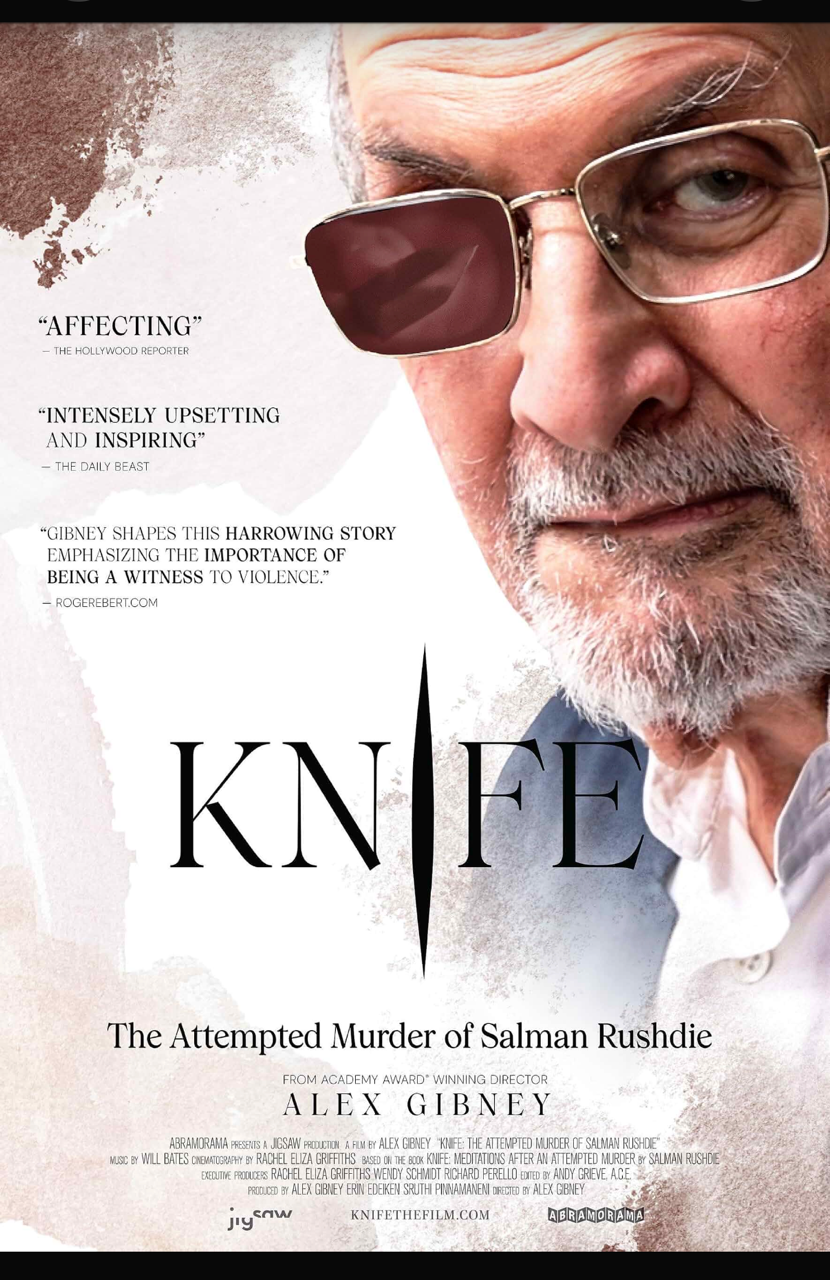
 Greetings again from the darkness. Seeing someone get violently attacked is horrifying, whether that be live or a video replay. An additional adjective can be added, ‘shocking’, when the attack occurs on a public figure in a public place. Such is the case when author Salman Rushdie was ambushed on stage at Chautauqua Institute (NY) in 2022. The attacker used a knife to stab Rushdie 14 times. One of the best documentarians working today, Alex Gibney (ENRON: THE SMARTEST GUYS IN THE ROOM, 2005; and an Oscar winner for TAXI TO THE DARK SIDE, 2007), brings this story to the screen based on Rushdie’s 2024 memoir “Knife: Meditations After an Attempted Murder”.
Salman Rushdie makes for quite an eloquent narrator of his own story, and you are likely familiar with him as the target of Iranian Ayatollah Khomeini-issued fatwa in 1988, after Rushdie released his book, “The Satanic Verses.” A bit of quick math tells you that, at the time of this attack, Rushdie had lived more than thirty years with a death threat following him around. Mr. Gibney structures the film in intertwined pieces, including the attack, Rushdie’s hospital and recovery stint, the recordings by his wife, his earlier background as a writer, and his post-attack return to writing.
The film opens with Rushdie on stage at the event that would change his life, yet miraculously, not end it. Gibney elects not to show the video of the attack until much later in the film, however, the early images of Rushdie in the hospital bed make it clear just how violent this attack was. Rachel Eliza Griffiths is a renowned writer and Rushdie’s fifth wife. The video and photos she took of him in the hospital are incredibly personal, while also documenting his amazing recovery from a near-death attack. She understands the importance of documenting his recovery, and it’s clear these two adore each other.
Rushdie tries to recall those early days in the hospital, and one of his most vivid memories is a dream sequence involving Death from Bergman’s 1957 THE SEVENTH SEAL (a clip is included), and we also get scenes from TWELVE ANGRY MEN (1957) and PSYCHO (1960), two classic movies in which knives played a prominent role. Our first look at Rushdie’s injured eye is stunning, and as we learn more about his severe injuries, we can’t help but wonder just how he recovered so quickly and maintained such a positive outlook.
This is a man who uses language at an elevated level, and despite living most of his adult life under threats, his writings are often inspirational and about freedom of expression, especially in regard to religion. The archival footage of his early years provides a profile of a man who has always had the courage to write and say what he felt needed to be expressed. Amazingly, he was cleared to leave the hospital after six weeks, and Gibney films Rushdie’s return to the very stage (on Day 401) where the attack took place. It’s an emotional moment, and one Rushdie says brings him full circle and allows him to make peace … although neither Rushdie nor his wife mention the attacker’s name (a young man likely to spend the rest of his life in prison). Perhaps the most powerful words come not from the filmmaker or either of the talented writers, but rather when Rushdie recalls a lesson learned from his parents: “What can’t be cured, must be endured.”
Opening in theaters on September 17, 2026


 Posted by David Ferguson
 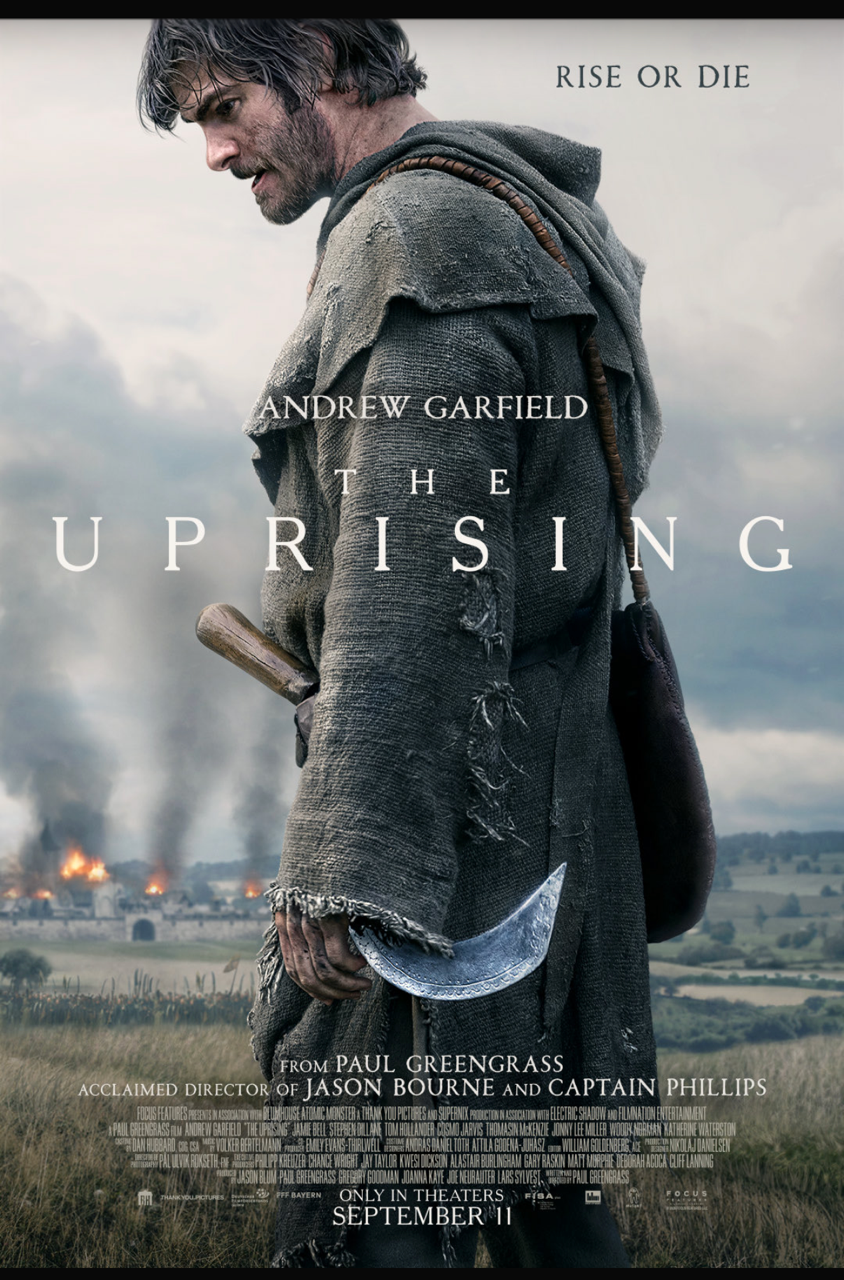 Greetings again from the darkness. It can be challenging to relate to an historical drama set in the 14th century, yet the Peasants’ Revolt of 1381 in medieval England sometimes hits quite close to home. Writer-director Paul Greengrass directed three of the Jason Bourne movies, so we can expect the action sequences to be frenetic and thrilling … often relying too heavily on handheld cameras.
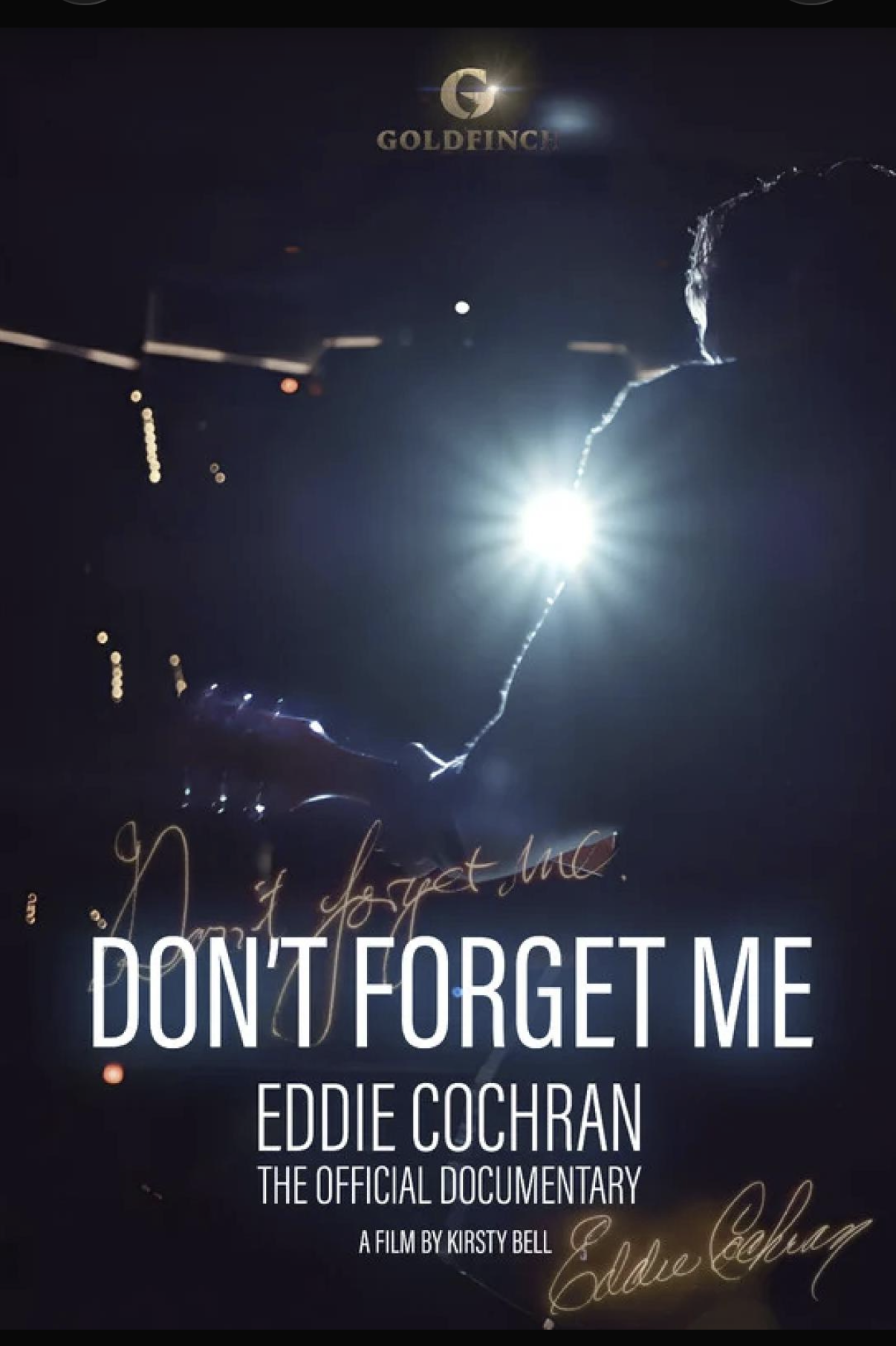 Greetings again from the darkness. With new music being created every day, it’s important to keep alive the history of those early musicians who, decades later, are still influencing contemporary songwriters and musicians. This is exactly what Kirsty Bell accomplishes with her informative profile of Eddie Cochran, a young man whose stardom and artistic pursuits were cut short by a fatal car crash at age 21.
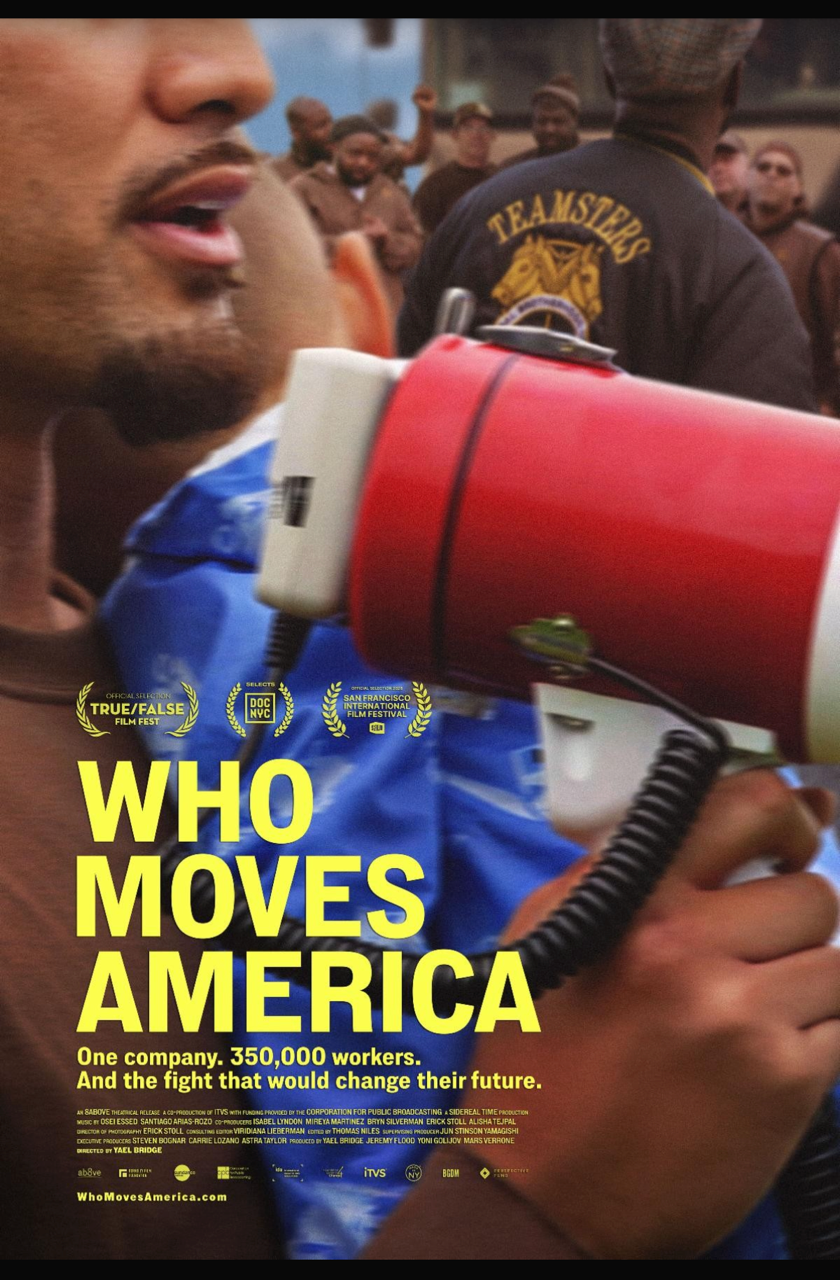 Greetings again from the darkness. Whether it’s flight attendants, dock workers, or Amazon, we tend to think about, and dread, the inconvenience a labor strike will cause us personally. Documentarian Yael Bridge gives us a rare peek inside … sometimes behind closed doors … to show us how a potential work stoppage (strike) could affect those workers and their families. This time, the company is UPS, which according to the film handles approximately six percent of all goods in the United States.
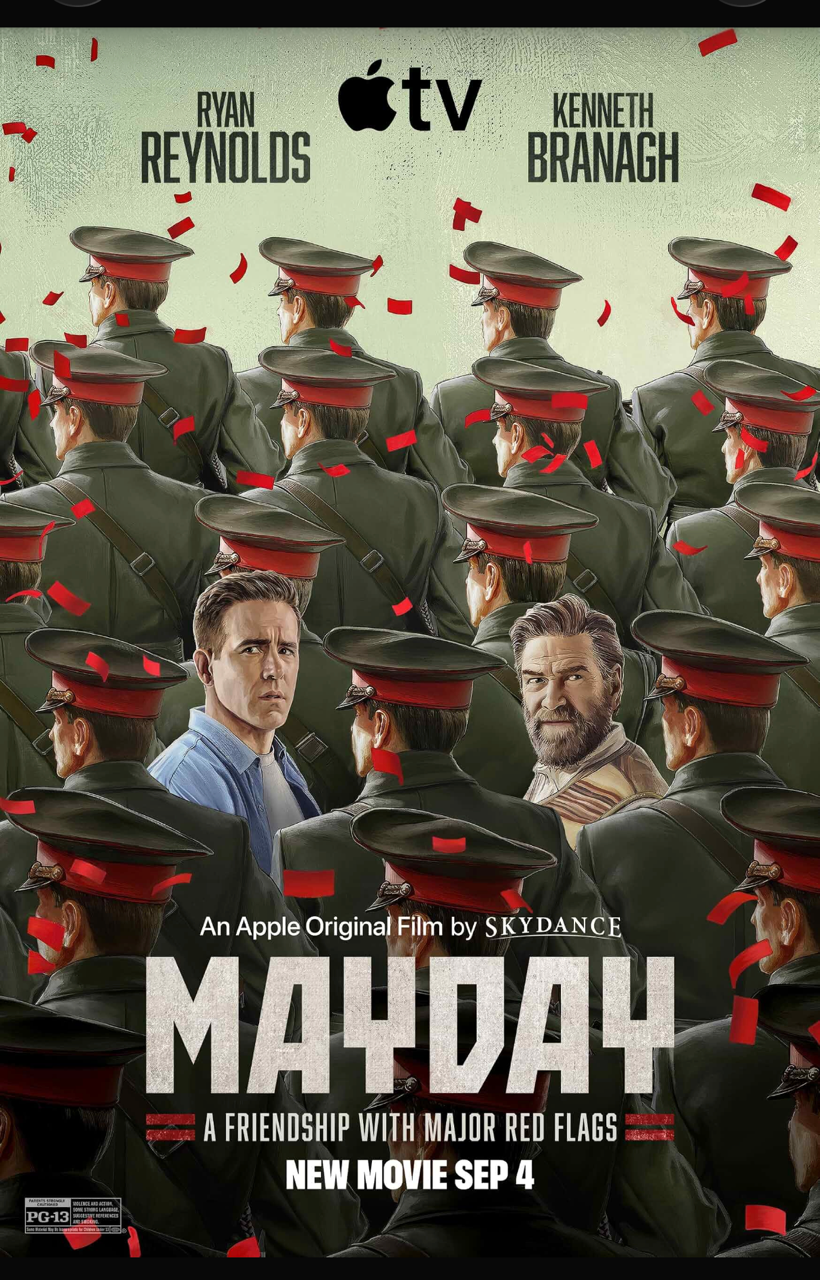 Greetings again from the darkness. I guess we were due for a “Cold War Buddy Comedy”. And who better to deliver than co-directors John Francis Daley and Johnathan Goldstein, the team behind GAME NIGHT (2018) and DUNGEONS & DRAGONS: HONOR AMONG THIEVES (2023). This time out, they deliver excellent visuals to go along with stellar comedic chemistry between first class wisecracker Ryan Reynolds and expert straight man (and Oscar winner) Kenneth Branagh.
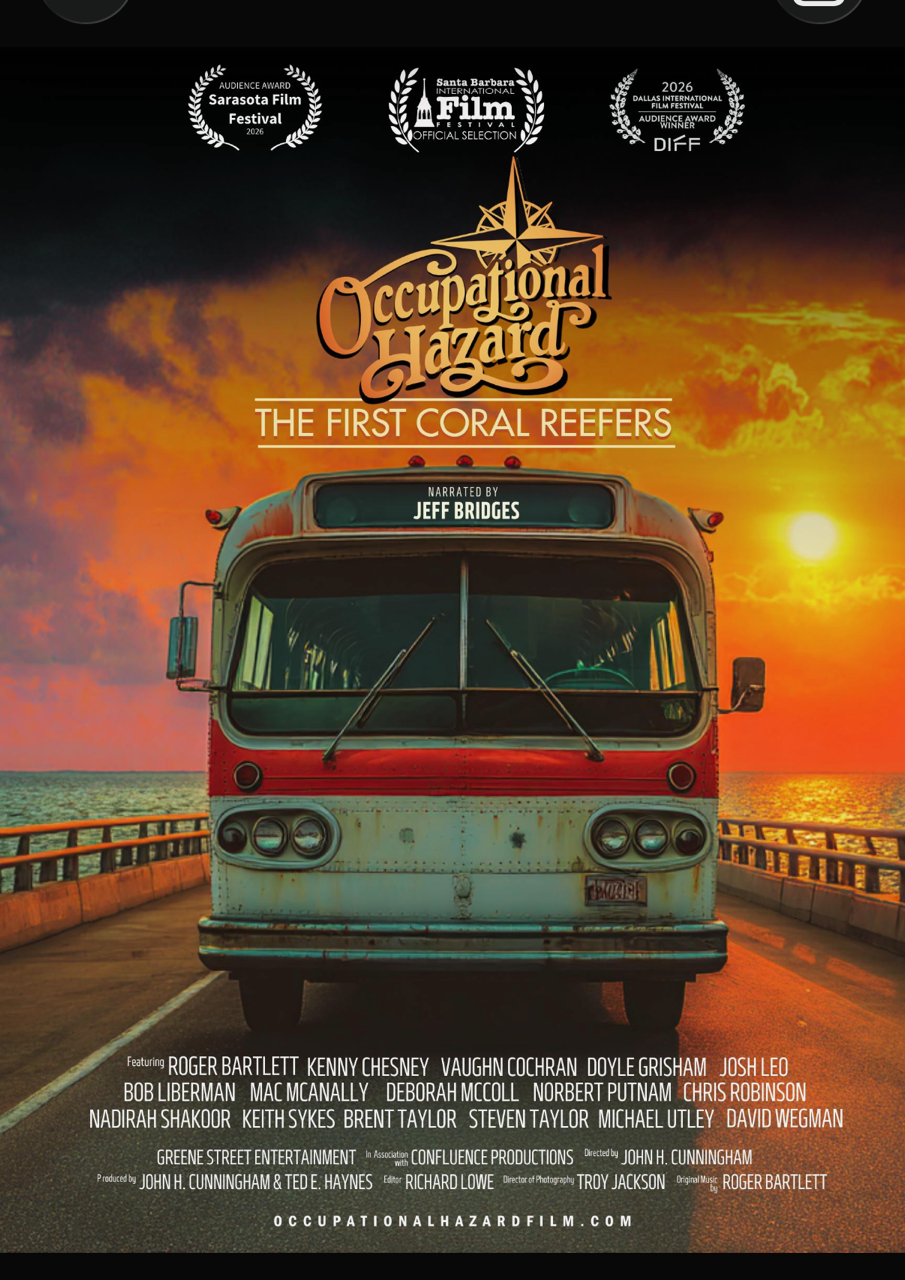 Greetings again from the darkness. With the mere mention of Jimmy Buffett, we immediately envision a sea of ‘Parrot heads’ sipping margaritas and having a blast as they sing along to the feel-good coastal tunes being played at a sunny outdoor venue. The beloved singer passed away three years ago, and now documentarian John H Cunningham provides an in-depth look at the early days. This is the origin story of the cultural phenomenon that Buffett built with his band … The Coral Reefers.
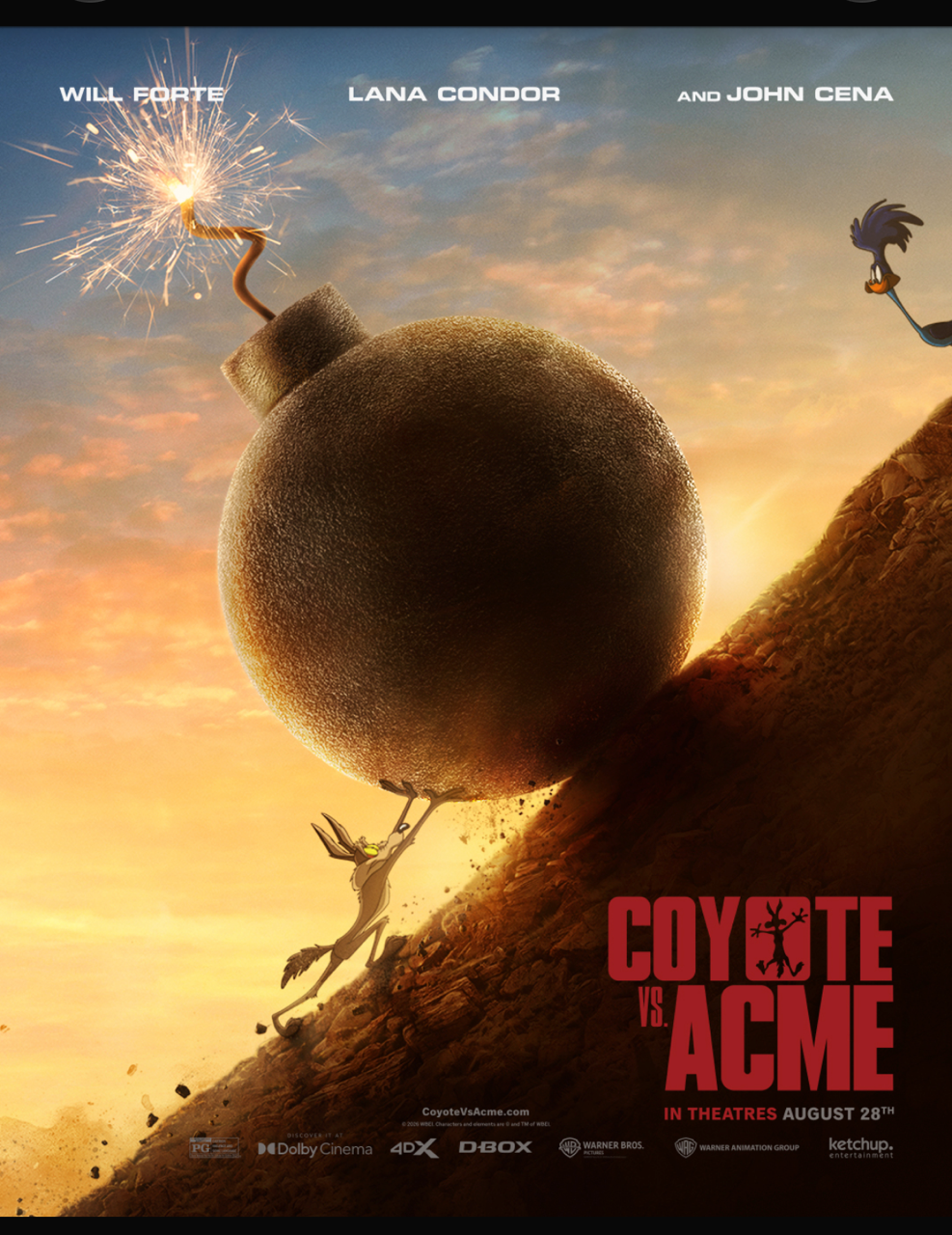 Greetings again from the darkness. For those of us who grew up belly-laughing at Looney Tunes, the characters are considered sacred ground, so a bit of anxiety hits when movies like SPACE JAM (1996) hit the big screen. This especially holds true for this latest from director Dave Green, since we know so many of the beloved characters will be on display. Samy Burch (MAY DECEMBER, 2023) adapted the screenplay from a 1990 article in “The New Yorker”, with an assist from James Gunn (SUPERMAN, 2025) and Jeremy Slater (FANTASTIC FOUR, 2015). The blend of animation and live action is reminiscent of the 1988 classic, WHO FRAMED ROGER RABBIT.
 Greetings again from the darkness. We envision the makeup of a champion to be confident, fearless, and to possess the heart of a lion. Documentarians (and brothers) Lars Brinkema and Torsten Brinkema profile legendary cross-country skier Jessie Diggins who courageously shatters that myth while telling her very personal story.
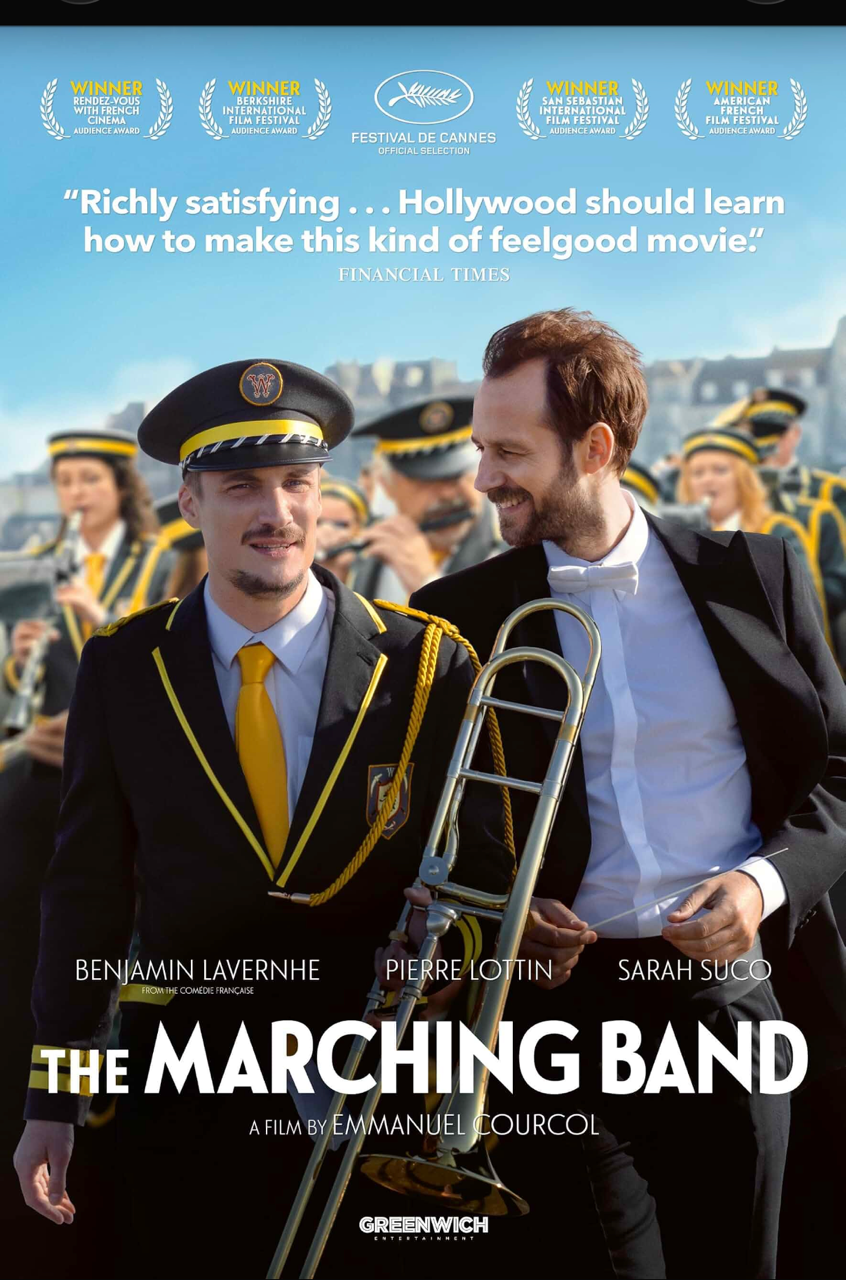 Greetings again from the darkness. Circumstances. Fate. Luck. Determination. It’s been said that what we make of our lives is up to us. Still, it seems likely that these factors play a role- often a significant role. Writer-director Emmanuel Corcol and co-writers Irene Muscari, Oriane Bonduel, and Khaled Amara have delivered a film that’s touching, funny, and grounded in emotional sincerity. The film never moves too quickly or too slowly, instead allowing the characters to guide the pace.
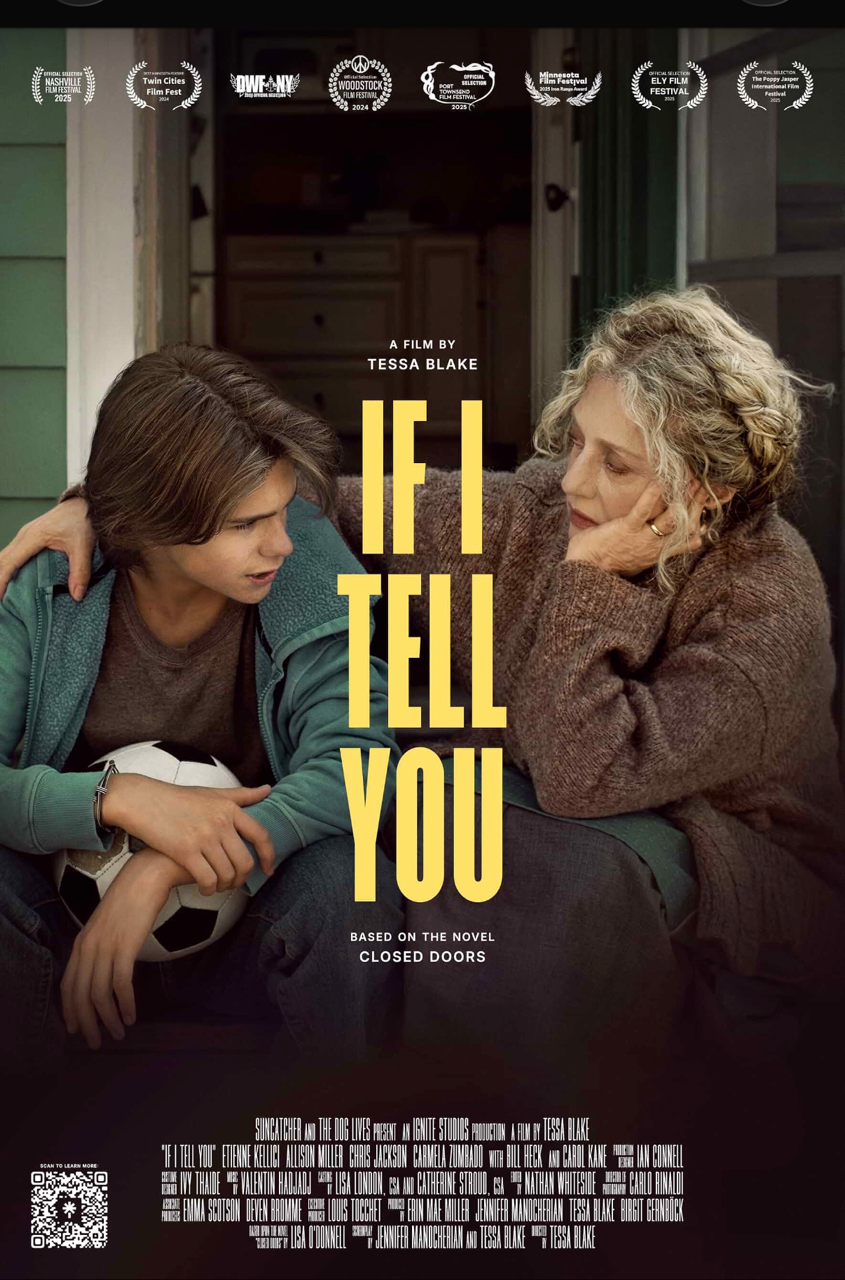 Greetings again from the darkness. Writer-director Tessa Blake and screenwriter Jennifer Manocherian have adapted Lisa O’Donnell’s 2014 novel, “Closed Doors”, and set the story in small town Minnesota rather than Scotland. This relocation works beautifully thanks to the contrast of the wide-open natural spaces of Boundary Waters with the claustrophobic nature of family life. Parents are tasked with a balancing act: protecting kids with teaching them, while also maintaining our own peace of mind. Where is the line between being honest with kids and protecting them from situations that are beyond their age bracket?
