 Greetings again from the darkness. Most of us scoot through life never being labeled as “the prettiest” anything. That’s fine. We accept it. Still, we apply the label periodically and it was Bunny Yeager who was known as “the world’s prettiest photographer”. Not many would argue with the designation as Ms. Yeager was an incredibly talented photographer, while also being described as a bombshell … a pinup model and actress herself.
Co-directors Dennis Scholl and Kareem Tabsch previously collaborated on THE LAST RESORT (2018), and both are known for their focus on unconventional subjects. Bunny is no exception as she made her name in a male-dominated field after moving behind the camera from in front of it. If you are unfamiliar with Bunny, she was a popular pinup model who became famous for her work as a pinup photographer. You might ask how. Not only did she photograph multiple Playboy magazine centerfolds, her most well-known and popular subject was the very famous and immensely popular Bettie Page. Oh yes, Bunny also appeared in the magazine as a model herself.
Whether you are a connoisseur of Bettie Page’s poses or not, you likely know another of Bunny’s most well-known photographs … that of Ursula Andress emerging from the sea in DR. NO (1962), the first James Bond movie. It’s truly an iconic cinematic shot. In keeping with this particular shot, Bunny is also linked to the increasing popularity of bikinis for women … both in design and in mainstreaming. Bunny became a master of outdoor photography by defeating the confounding issue of natural lighting – giving her photographs a distinct look and feel.
The filmmakers include some archival interviews (including Bunny and Page), and we see commentary from Larry King, Dita Von Teese, Bruce Weber, and even Hugh Hefner. However, what kicks this documentary up a notch (in addition to the dozens of photographs) is the input from Bunny’s two daughters. It’s fascinating to hear the two very different viewpoints from the women who were raised by Bunny. One finds her mother’s work demeaning and exploitive of women, while the other has acted to preserve her mother’s legacy, and is quite proud of mom’s career.
‘Career’ feels like underselling what Bunny accomplished. Sure, she was an in-demand model. Yes, she was a famous photographer. However, she also had an acting career, and authored numerous books that have influenced photographers (including Diane Arbus), even to this day. Bunny Yeager’s ambition and dedication deserve to be celebrated along with her technical proficiency and artistic eye. It should also be noted that as tastes careened towards the extreme in the 1970’s, Bunny refused to transition into the pornography world, despite the promise of big paydays. This was a territory that held no interest to her. Bunny Yeager, the world’s prettiest photographer, deserves to be remembered.
Opens in theaters on September 12, 2025


 Posted by David Ferguson
  Greetings again from the darkness. Having one’s name or work associated Hitler typically (but somehow not always these days) marks one as a pariah or persona non grata. For artists, the rules can be a bit blurred, and filmmaker Andres Veiel takes on the story of Leni Riefenstahl, in hopes of removing some of the blur.
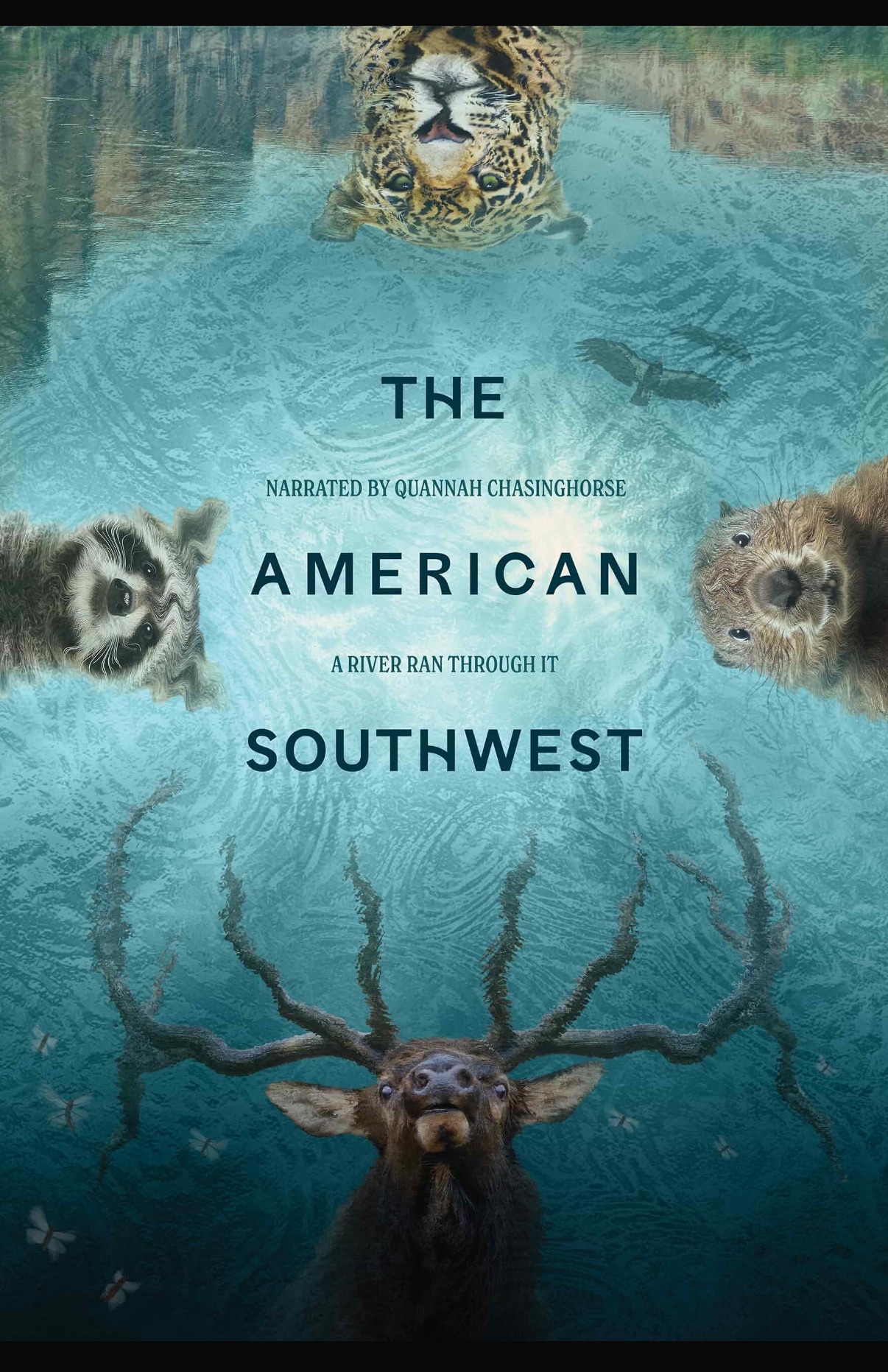 Greetings again from the darkness. Ben Masters’ follow-up to his outstanding documentary, DEEP IN THE HEART: A TEXAS WILDLIFE STORY (2022) is even more stunning, more remarkable, and more important. Narrated by environmentalist, model, and actress Quannah Chasinghorse, the breathtaking photography is complemented by a history lesson and cautionary warnings about where things are headed.
 Greetings again from the darkness. Is it possible to be a rock star that no one has heard of? Well, in a way, that’s what happened to Marc Bolan. In Great Brittain, Bolan and his band T. Rex drew huge crowds and had a massive fan base, whereas in the United States, they had only a small cult following (which meant very little record sales or radio airtime). Ethan Silverman (he of previous short films and music videos) conceived of this record album/documentary combination, and in 2020 set out to make the project come to life.
 Greetings again from the darkness. There’s just something kind of cool about a band whose first number one hit single is entitled “Shine”, and here they are 32 years later still touring and taking the time to participate in a documentary. Cinematographer and Music Videographer Joseph Rubinstein has put together an intimate film that allows the band members to tell their story using their own words. The result is that we see a group of guys who get along well, and also seem to be good dudes that we wouldn’t mind getting to know.
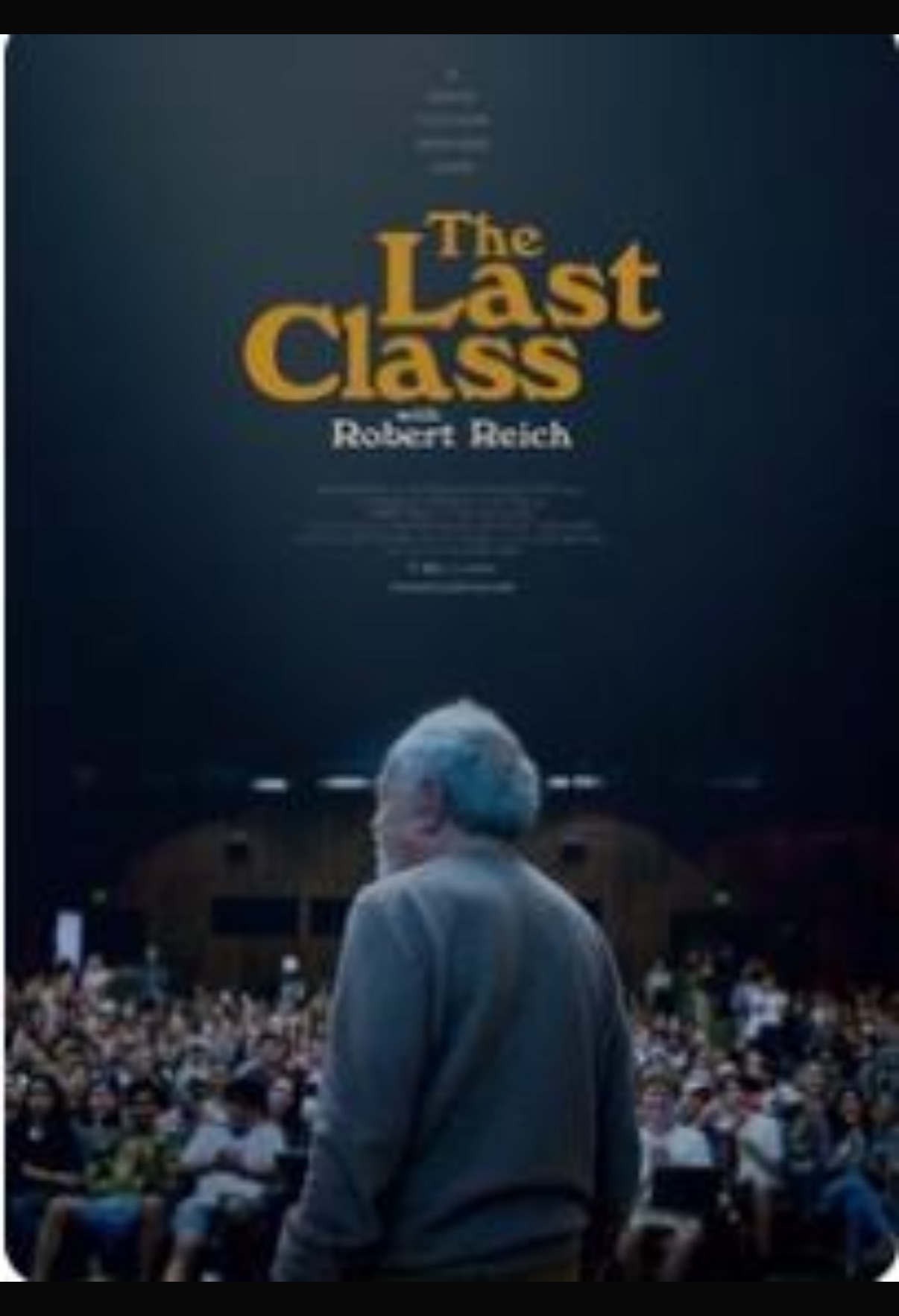 Greetings again from the darkness. It seems somewhere along the way intelligence has fallen out of favor. However, I continue to be fascinated by deep thinkers who share their knowledge and ideas. One such man is Robert Reich, and this documentary from Elliot Kirschner provides a worthy look at a man who has not only been an integral part of United States politics for decades, he has also spent 42 years as what he terms ‘a professional teacher.’
 Greetings again from the darkness. Even the title is a form a trickery. First of all, there was no Pee-wee Herman other than the character portrayed by Paul Reubens. Secondly, much of what this documentary presents is not from Pee-wee, but rather from Paul Reubens ‘himself’. And it goes directly to the point – the public adored Pee-wee Herman, while Paul Reubens was a bit more complicated. Documentarian Matt Wolf (SPACESHIP EARTH, 2020; the excellent RECORDER: THE MARION STOKES PROJECT, 2019) presents a two-part documentary for HBO that strives to clarify the line between man and character.
 Greetings again from the darkness. It was 1988, and when this group of students proclaimed, “We will be heard!”, it took on additional importance. The anger of these students represented 124 years of repression. Student protestors were from Gallaudet University in Washington, D.C. It’s the only university for deaf students, and its history dates back to the time of Abraham Lincoln.
 Greetings again from the darkness. Fourteen years spent teaching advanced degree architectural students at Columbia led to her being denied tenure, so Ada Karmi-Melamede did what any self-respecting and incredibly talented architect would do … she quit the job and bet on herself. It’s a bet that has resulted in numerous high-profile projects in her homeland, Israel.
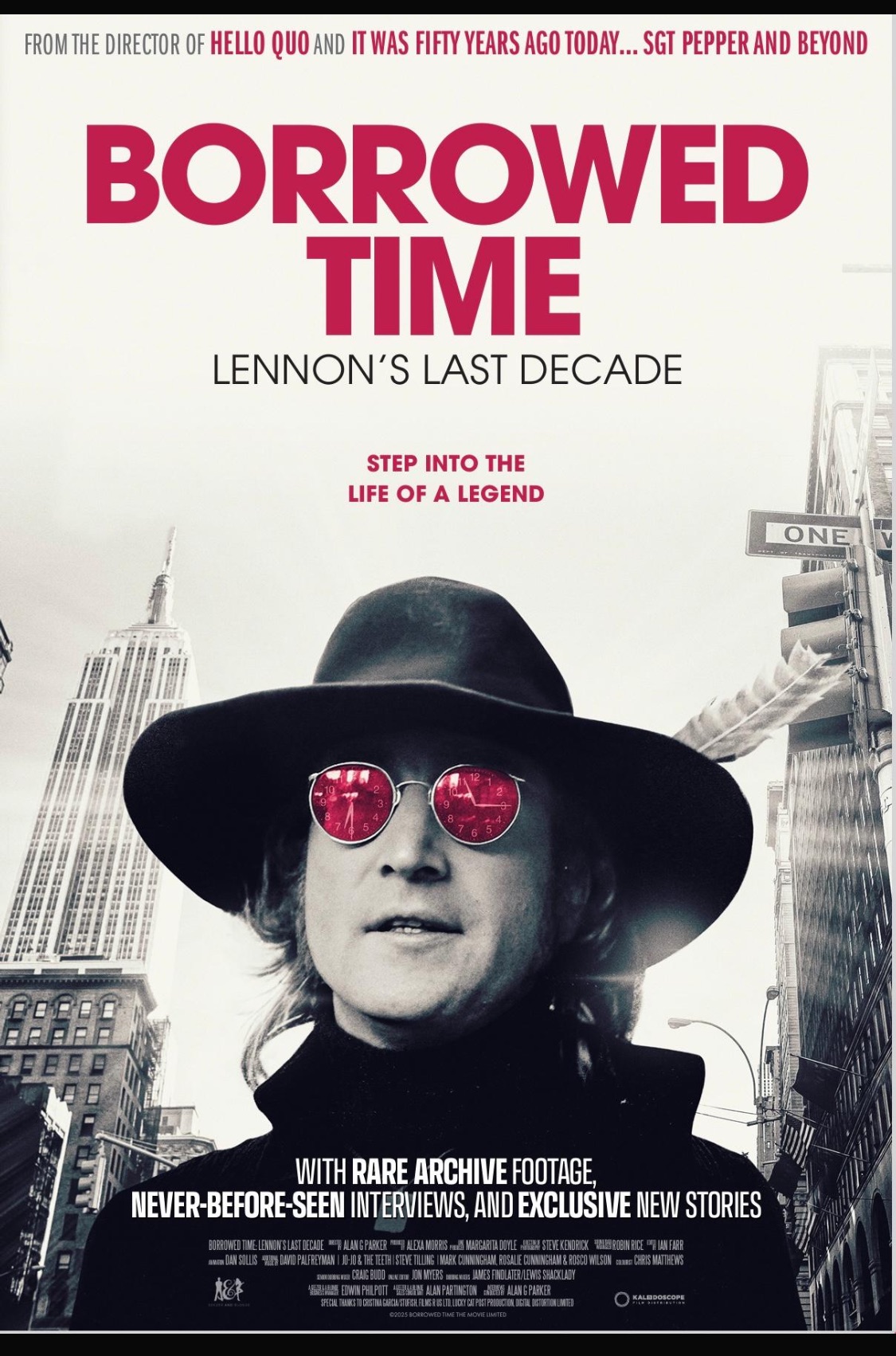 Greetings again from the darkness. Documentarian Alan G Parker is not the British director Alan Parker who was twice Oscar nominated (MISSISSIPPI BURNING, 1988; MIDNIGHT EXPRESS, 1978), but he is the same Alan G Parker who has directed numerous music-based documentaries, including projects on The Sex Pistols, The Beatles, Status Quo (I’d like to track down that one), and KISS. As the title makes clear, his latest work is a focused look at John Lennon’s final years in New York, leading up to his murder in 1980.
