Greetings again from the darkness. Every year this is one of my favorite categories. Typically, these filmmakers are committed to a subject and have very little money to work with, making their work easily categorized as passion projects. This year is no exception, and once again we are amazed at the wide range of topics and subjects covered: the transformation of an angry war veteran, true love at an elephant sanctuary in India, a profile of a key player during the Watergate era, the effects of climate change on walruses in the Arctic, and a father-daughter video project covering 16 years. Below is my breakdown of this year’s nominees:
THE ELEPHANT WHISPERERS
 Director Kartiki Gonsalves introduces us to Bomman and Bellie, indigenous Kattunauakans working together to care for Raghu, an elephant rescued as an injured orphan in Tamil Nadu, India in 2019. The elephant preserve where they live and work is run by the Forest Department, and Bomman’s hut is right next to the stall where Raghu sleeps.
The love they share for Raghu soon develops into a romance between Bomman and Bellie. They talk to Raghu, train him, feed him, bathe him, play with him, and even tuck him in bed at night. Later when they also become caregivers for 5-month-old Baby Ammu, we can see the similarities to raising human children. Both elephants make it into the wedding day pictures of Bomman and Bellie, but when Raghu is re-assigned to other caregivers, we witness the grieving of the couple, as well as that of Ammu, who has lost a friend and role model. The 41-minute film serves to show how animals and people can live off the same forest and share a love.
HAULOUT (UK, Russia) 25 min
 For the first few minutes, we aren’t sure what we are watching. Maxim is huddled in a rustic cabin on the shore of the Russian Arctic. He eats canned good (from the can), boils his water, and recycles his cigarettes. One morning he awakens to the grunting and groaning noises occurring outside. What follows is a stunning and spectacular shot of tens of thousands of walruses huddled on the beach by his hut.
It turns out Maxim is a Marine Biologist, and he spends 43 days observing this annual ritual of walruses as part of a 10 year study. Although the walruses show up every year, the effects of climate change are obvious. There is no longer ice for them to rest on during the trek. This exhausts the creatures, causing the death toll to increase each year. Co-directors (and brother and sister) Maxim Arbugaev and Evgenia Arbugaeva deliver a beautiful (considering the harsh conditions) 25-minute film, and a stark reminder of how animals are being forced to adapt to the changes.
HOW DO YOU MEASURE A YEAR
 We must admire Jay Rosenblatt’s foresight as a father. It’s a simple idea, yet brilliant in it’s lasting impact. Beginning on his daughter Ella’s second birthday, Mr. Rosenblatt maintained a tradition of videotaping an “interview” with her each year. This tradition, or ritual, continued through her 18th birthday. The result bounces between predictable, stunning, sad, joyful, and touching … all in a condensed 29-minute run time.
To watch the progression of a precocious two-year old and three-year old toddler obsessing over a lollypop and make-up to a poised eighteen-year old on the brink of independence is fascinating. As a parent, we recognize the many stages … some so cute, others so challenging … each to be treasured.
Dad’s questions include: What do you want to do when you grow up? What are you afraid of? What is power? What are dreams? What is most important to you? You get the idea. He wants to document her progression as a person and as a thinker. In addition to the lollypop and desire to wear make-up, Ella’s singing voice develops beautifully as she grows into a 12-year-old who has learned sign language, and a 13-year-old fresh off her Bat Mitzvah. We see her with braces on her teeth, and as a 14-year-old toting the burden of her age. It’s those last couple of years that really give us hope for Ella’s future, and an insight into what the project has meant.
As a teenager, what would you have told your 25-year-old self?
THE MARTHA MITCHELL EFFECT
 Fifty years have passed, yet the Watergate scandal continues to provide us with stories. Co-directors Anne Alvergue and Debra McClutchy turn their attention to one of the fascinating figures of the era in this 40 minute short. Martha Mitchell was the wife of Richard Nixon’s campaign manager and subsequent Attorney General, John Mitchell. Outspoken Martha was a colorful personality and characterized as “a menace” by Nixon himself.
The directors utilize archival footage and news reels to show how Martha became a media darling during one of the most closed-off administrations in recent history. Reporters such as Helen Thomas and Connie Chung bring a media perspective, as do the numerous newscast clips shown. However, things took a pretty dark turn for this charming lady, and her story provides a stark reminder of just how corrupt and extreme the Nixon administration became.
Once news of the Watergate break-in hit the news, Martha seemed to vanish from the public eye. Her story is that she was held captive, basically kidnapped, as the administration advanced a public character assassination on her. When the secret tapes were revealed, and Martha discovered her husband had conspired with Nixon on the break-in, she became a high-profile whistleblower, After Nixon’s resignation, Martha became a celebrity, frequently seen on talk shows. Cast by many as a ‘crazy’ lady, the “Martha Mitchell effect” became the description for those whose ‘delusions’ turned out to be true. The recent TV miniseries “Gaslit” also focused on Martha Mitchell, who died in 1976 from a blood disease.
STRANGER AT THE GATE
 Should you ever doubt that kindness and understanding can make a difference, please watch this film from director Joshua Seftel (WAR, INC, 2008). The 29 minute run time may just rejuvenate your faith in human beings to change their attitude and be accepting of those they once distrusted.
As a Marine, Richard “Mac” McKinney was trained to hate and kill Muslims. He was informed that they were terrorists out to destroy his country, and September 11, 2001 was all the proof he needed. A simple question from his young daughter Emily convinced him he needed to act, so he plotted to bomb the Islamic Culture Center of Muncie (Indiana). So this former Marine, a trained killer and hater, headed to the mosque to obtain the “proof” he needed to convince his daughter that his actions were righteous.
A funny thing happened. Mac was treated kindly by the folks there. They asked him questions and guided him to a better understanding. Now this didn’t happen overnight. A shift in beliefs never occurs quickly. However, their treatment of Mac not only (unknowingly) saved their own lives, it saved his as well. He may have been trained to not think of his war targets as human beings, but he found them to show him more humanity than he’d ever known. It’s chilling to see Emily ponder what it would have been like to have a mass murderer as a father, and mostly we are inspired to see good people work so diligently at accepting someone who initially showed them nothing but hatred. Nobel Prize winner Malala Yousafzai is one of the producers of the film.
 Greetings again from the darkness. With his Oscar winning AN INCONVENIENT TRUTH (2006), and follow-ups including WAITING FOR SUPERMAN (2010) and HE NAMED ME MALALA (2015), Davis Guggenheim has proven to be one of the most important and effective documentarians working today. With his latest, he adds a creative touch that blends well with the emotional and personal aspects of this Michael J Fox biography.


 Posted by David Ferguson
 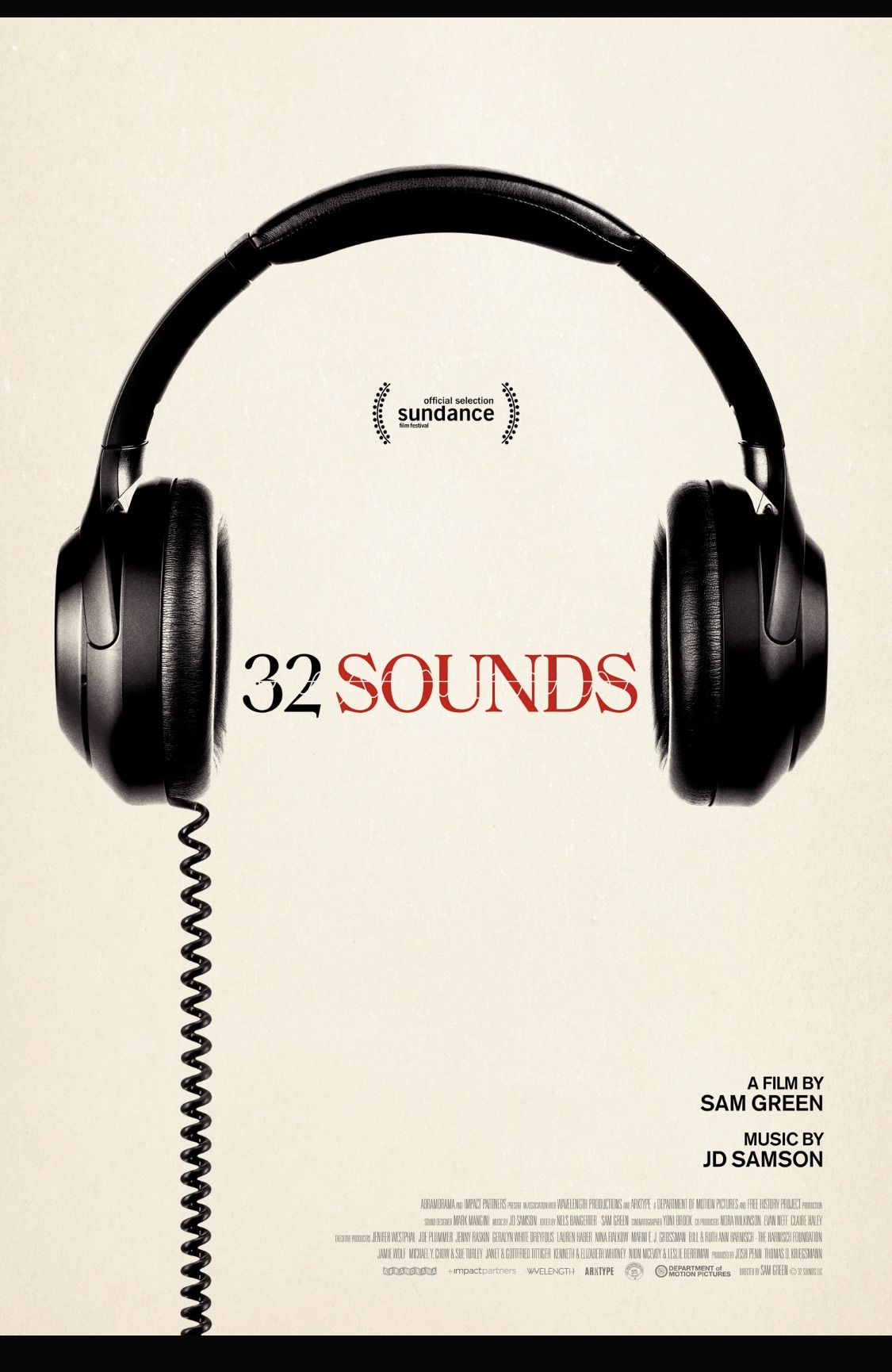 Greetings again from the darkness. We tend to believe that we are either participating in an activity (cooking a meal, riding a bike, playing a sport, etc), or sitting idly as a spectator (watching TV, listening to the radio, attending a kid’s play, etc). However, documentarian Sam Green is here to prove that there is another option, participatory listening. This is the action of listening “with”, rather than listening “to” … being fully present and attuned as you take in and process the vibrations of life occurring all around you. This could be a babbling stream, the rustling of leaves, or even the grinding of icemaker gears in your ten-year-old refrigerator. OK, Mr. Green doesn’t mention that last one, but you get the point.
 Greetings again from the darkness. Good golly! Documentarian Lisa Cortes packs a lot into this profile of Richard Wayne Penniman, better known as Little Richard. Director Cortes sticks with a familiar structure for the biopic; however, two things stood out to me about this documentary: it features remarkably little music for a musical doc, and it works well for both those who are very familiar with the legendary performer and those needing an introduction.
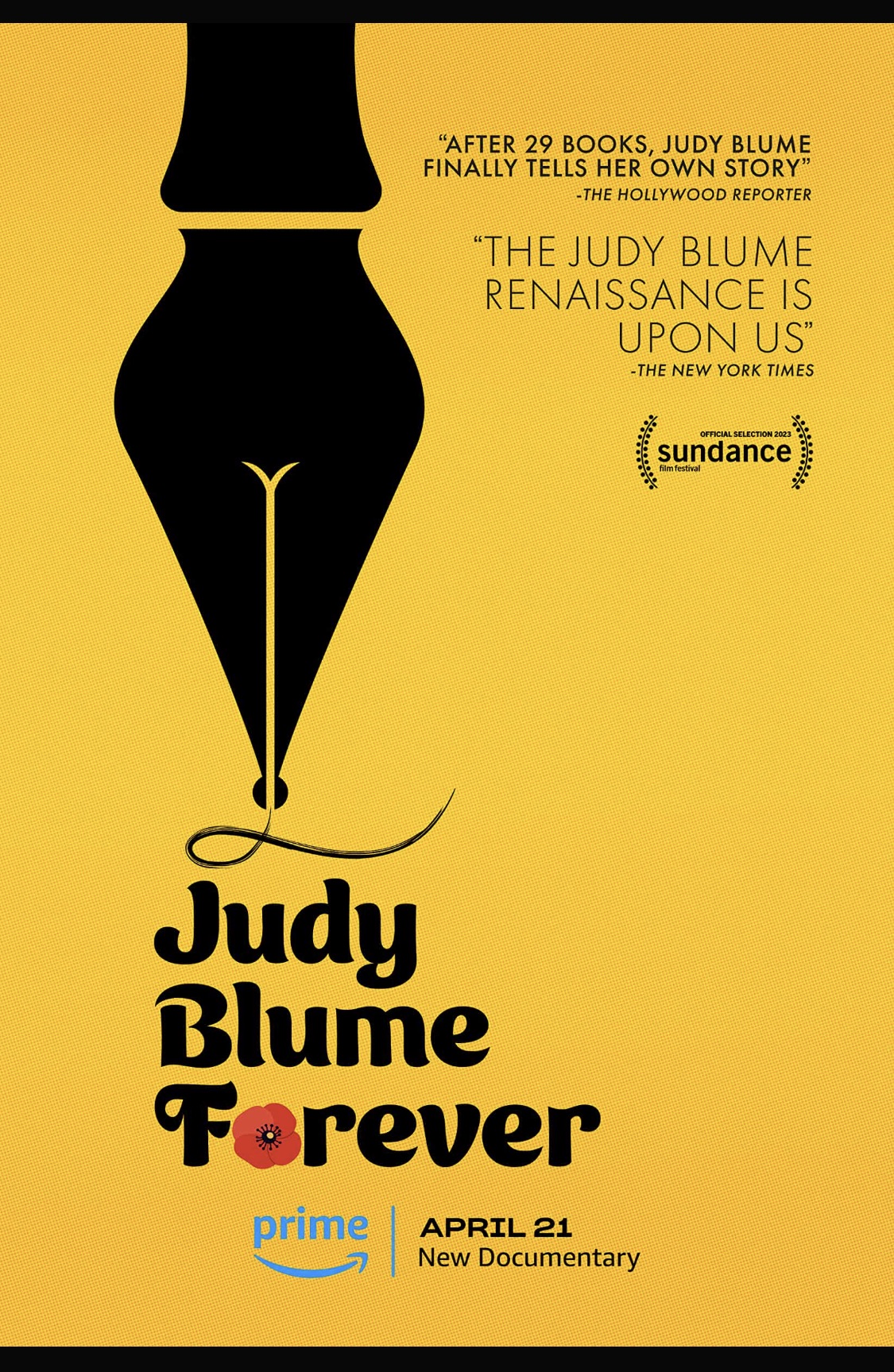 Greetings again from the darkness. It’s not unusual for readers to feel a connection to their favorite author, but very few can match the bond shared by writer Judy Blume and her followers. Co-directors Davino Pardo and Leah Wolchok set out to profile the writer whose staggering sales figures (more than 80 million books sold) pale in comparison to the impact she had on so many young girls.
 Greetings again from the darkness. The old adage goes, “Politics makes for strange bedfellows.” And there may have never been a stranger pairing than Donald Trump advisor (and son-in-law) Jared Kushner and CNN political contributor and activist Van Jones. The two joined forces to push through a prison reform bill that resulted in 10,000 prisoners gaining early release.
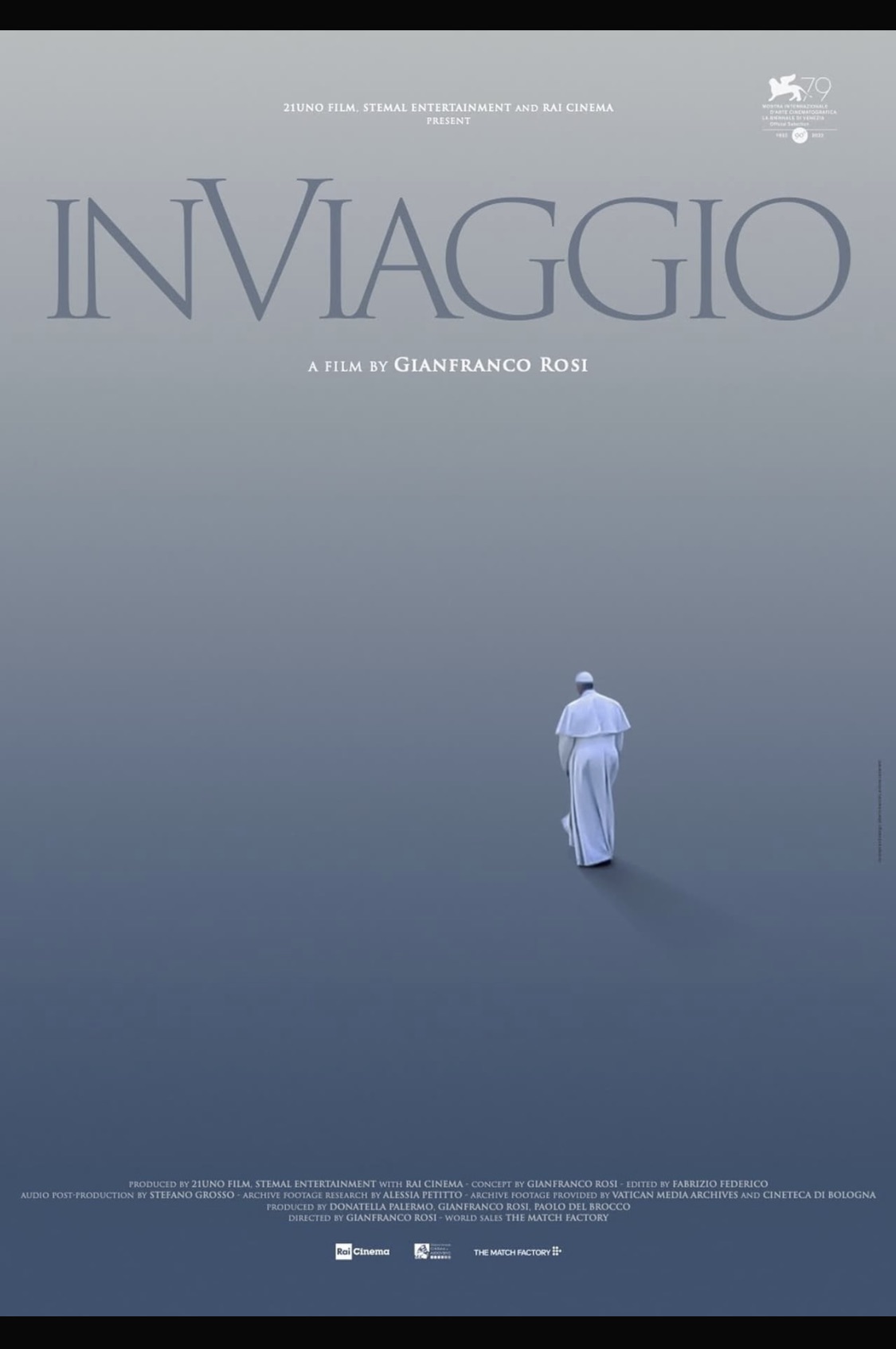 Greetings again from the darkness. More than one billion people identify as Catholic, and since 2013, the head of the Church has been Pope Francis. He’s originally from Argentina and is the first Pope from the Americas. Of course, one need not be a practicing Catholic to respect and appreciate the mission and impact of this man … and his commitment to improving humanity. Director Gianfranco Rosi received an Oscar nomination for his 2016 documentary, FIRE AT SEA, and here he utilizes archival footage and clips to chronicle the Pope’s focus on certain topics: poverty, immigration, his anti-war stance, and his pleadings for solidarity amongst Earth’s residents.
 Greetings again from the darkness. “What goes up, must come down” … those are the opening lyrics to “Spinning Wheel”, a huge hit for the brass-rock band Blood, Sweat & Tears. The lyrics are meant to convey the cycles of life, but they also reflect the meteoric rise and fall of the band itself. John Scheinfeld is a knowledgeable and passionate documentarian behind profiles of such acclaimed musicians as Herb Alpert, Brian Wilson, Sergio Mendes, Bing Crosby, Frank Sinatra, John Lennon, Harry Nilsson, Bette Midler, Rick Nelson, Rosemary Clooney, John Coltrane, Andy Williams, and Dean Martin. He’s a natural choice to provide the answers to the titular question.
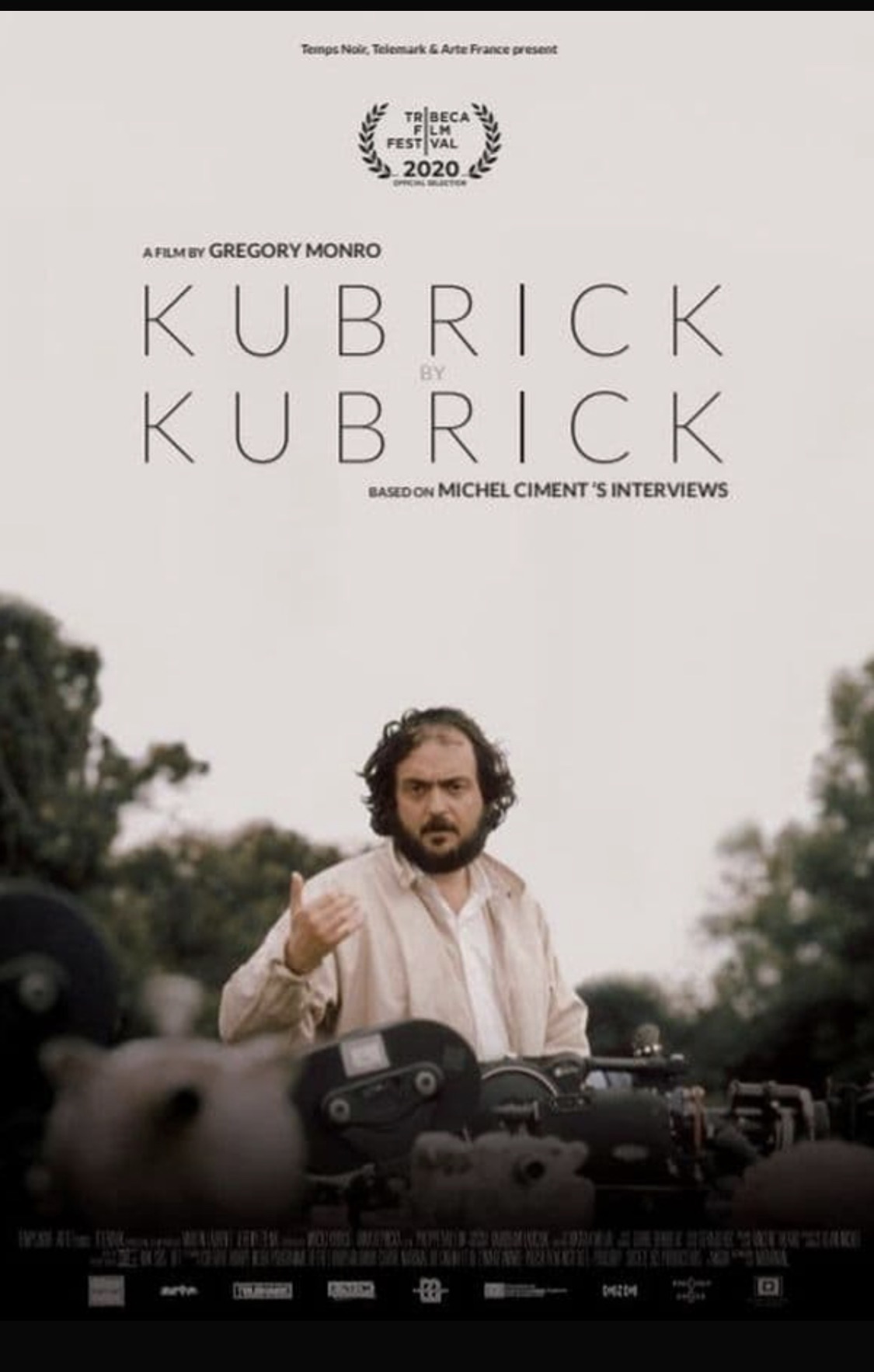 Greetings again from the darkness. The throngs of us who are not artistic geniuses ae always fascinated with insight and analysis from those few who are. And when said genius is renowned for eschewing interviews and most any chance to discuss the work, we become all the more intrigued. Such is the case with Oscar-winning director Stanley Kubrick. Although he passed away in 1999, Kubrick’s filmography features many classics that are studied in film schools today: THE KILLING (1956), PATHS OF GLORY (1957), SPARTACUS (1960), LOLITA (1962), DOCTOR STRANGELOVE: OR HOW I LEARNED TO STOP WORRYING AND LOVE THE BOMB (1964), 2001: A SPACE ODYSSEY (1968), A CLOCKWORK ORANGE (1971), BARRY LYNDON (1975), THE SHINING (1980), FULL METAL JACKET (1987), and EYES WIDE SHUT (1999).
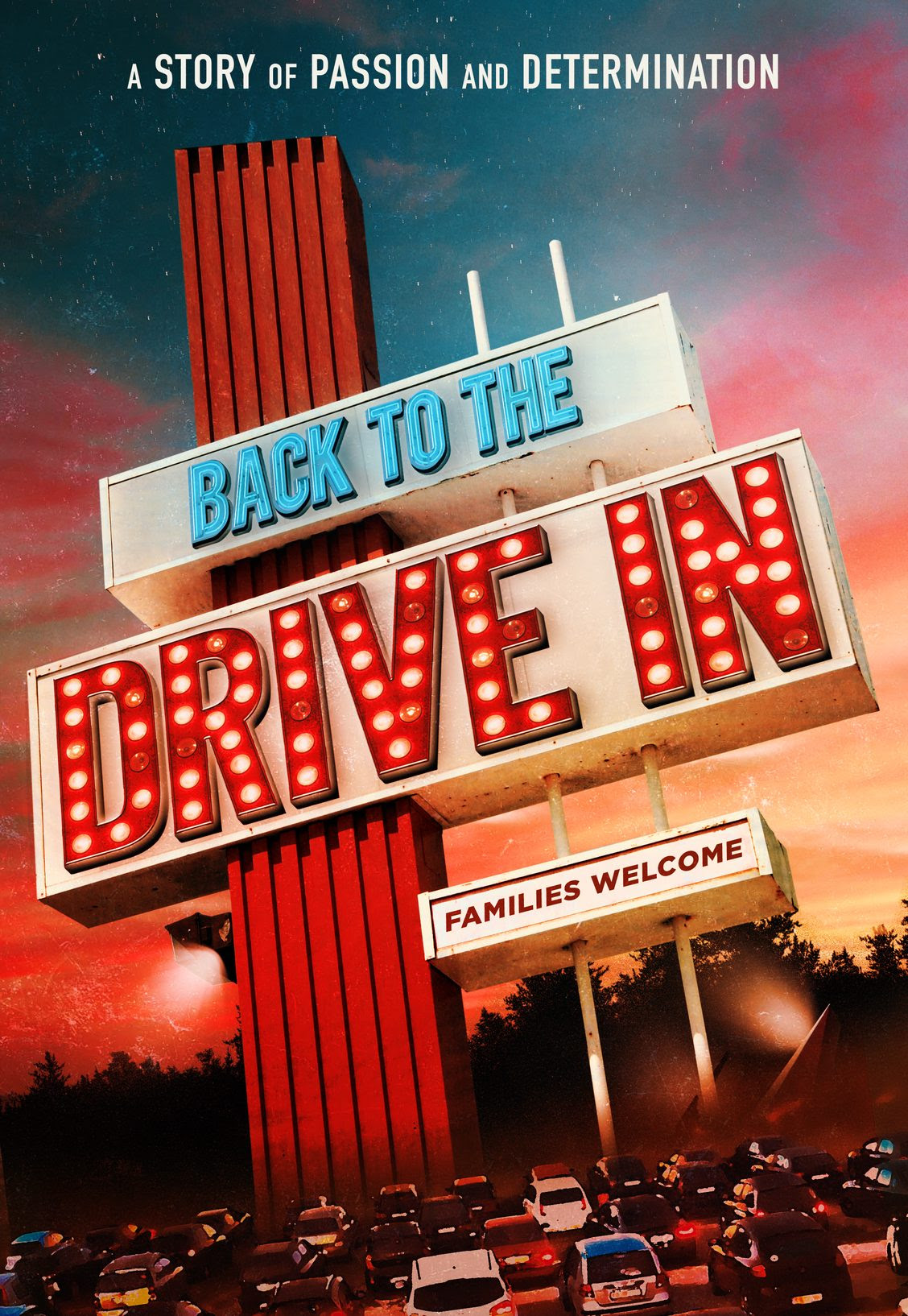 Greetings again from the darkness. As one who spent many evenings in my childhood and teen years lounging in a vehicle as the clunky metal speaker hung from the car window crackling with the dialogue and sound effects from that night’s movie, I was anxious for a dose of the nostalgia that April Wright’s documentary was sure to inspire. However, rather than a feel-good flashback to better days, Ms. Wright deals head-on with the challenges faced by those devoted few brave souls keeping the drive-in tradition alive.
 Movie Reviews from the Dark