Biography: KISSTORY (2021, 2-part Documentary)
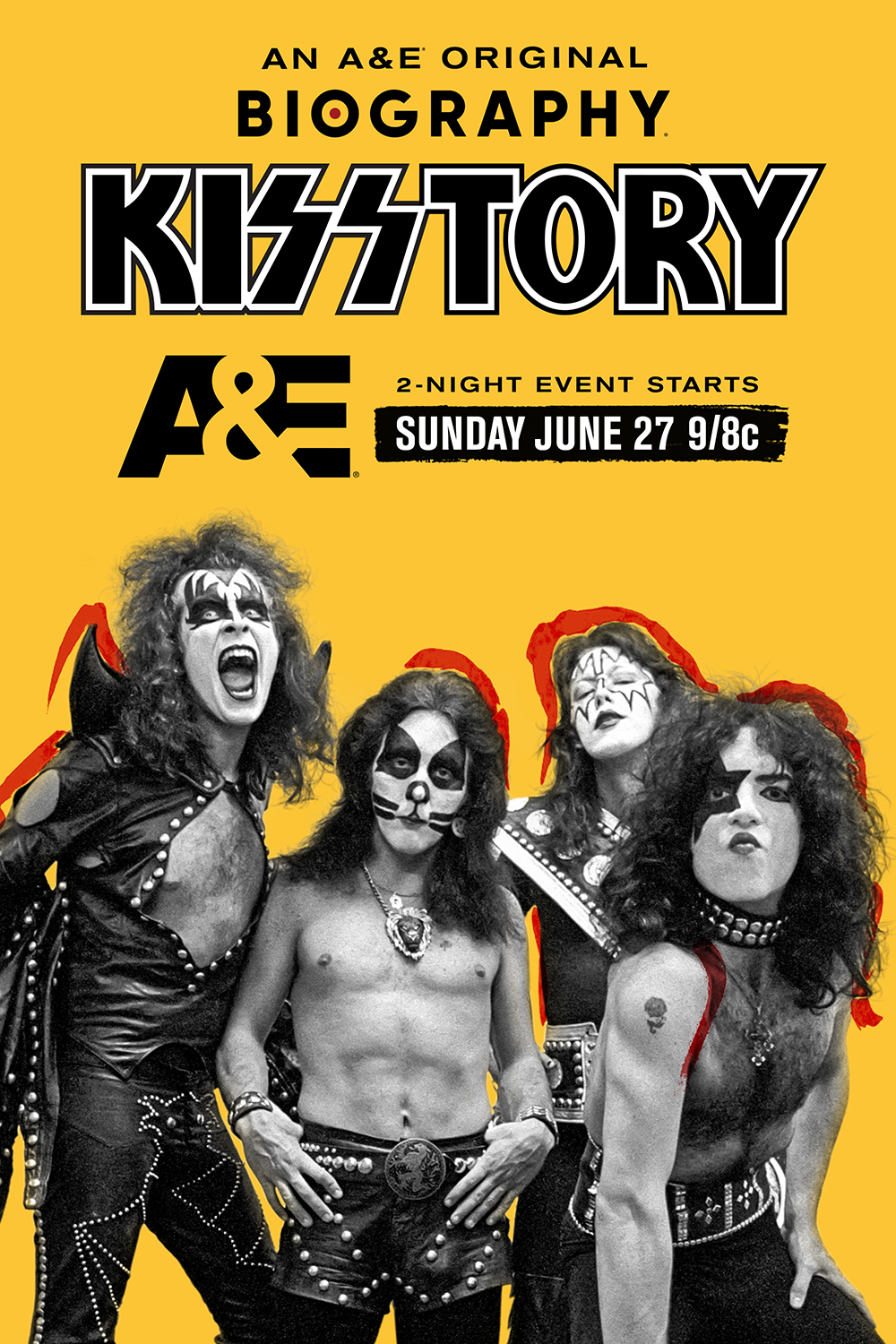 Greetings again from the darkness. Even for those who aren’t rock ‘n roll fans, there is a familiarity and curiosity about the band KISS and their fans, known as the KISS Army. It’s the face make-up, the outlandish costumes, the raucous concerts, the best-selling albums, and of course, that tongue. Director D.J. Viola, working in conjunction with A&E’s “Biography” series, has put together a comprehensive 2-part documentary billed as a backstage pass to the history and impact of the band.
KISS has been performing and recording for almost 50 years, and Volume One (as the first episode is titled) goes back even further, as we learn Gene Simmons was born in Israel and moved to the U.S. in 1958, while Paul Stanley was born in Queens. The two men met in 1970, and much of the time is spent with the two co-founders of the band recollecting those early years. Viola chronicles their memories with clips and photographs, as well as commentary from others. The band’s “End of the Road” tour, supposedly their farewell act, began in 2019 and has been suspended until August 2021 due to COVID.
The early formation of the band is a bit unusual, as Gene and Paul found drummer Peter Criss from an advertisement Criss put in the newspaper, and Ace Frehley answered the band’s “Village Voice” ad for a lead guitarist. 1973 brought the first KISS photograph, their earliest known recording, and the earliest concert footage. Their time in Electric Lady Studio, the same one used by Jimi Hendrix, is recalled with reverence, and we get to hear how the band was committed to being “big” on stage, and were influenced in their style by New York Dolls, Alice Cooper, and the idea of a full musical production on stage. It didn’t take long for smoking guitars, airborne drum sets, blood baths, and pyrotechnics to become inseparable from the music and these comic book heroes.
Each band member created their own makeup and character. For instance, Gene’s demon was supposedly influenced by “Phantom of the Opera”. Their new manager, Bill Aucoin recognized the potential and hooked them up with Neil Bogart’s Casablanca Records. By 1975, the band had their anthem, “Rock ‘n Roll All Nite”, and as Dave Grohl describes, their stage show was “ballistic”. Despite all of that, they were definitely a “people’s band, not a critics’ band”, and it took the huge success of their “Alive!” album to save the band and the record label. And what typically follows success? Yes, turmoil. By 1982 both Criss and Frehley had left the band, due to drugs and creative differences.
Volume 2 of the two-part documentary focuses on the band’s ever-changing musical styles and various personnel changes at drummer and lead guitarist, as well as the rollercoaster ride of popularity and faded stardom followed by recapturing the magic. It’s difficult for a band to reinvent themselves once their look, style, music, and stage show have garnered such a loyal following. Disco, dance music, androgyny, and a rock opera didn’t work for the band or their fans, and Gene and Paul readily admit they spent some years floundering.
It was 1983 on MTV when the band first appeared without makeup, in yet another attempt to reinvent themselves. After the split with Criss, Frehley, and Aucoin, the next dozen years brought multiple lead guitarists, the tragic loss of one drummer to cancer, and even a delve into acting by Simmons. It was an appearance on “Unplugged” in 1995 that led to a huge reunion tour for the band, including KISS Convention – a traveling museum for fans. Predictably, the big bucks tour as not enough to stave off yet another band breakup. Gene and Paul were the leaders of the band, as they were the two that had stuck it out through good times and bad.
This is a band that has sold more than 100 million records and countless concert tickets over a five decade span. Self-destructive band members, an addict as a manager, and changing music tastes of the public were all obstacles that couldn’t ultimately stop the band. Peter Criss and Ace Frehley declined to participate in the making of this documentary, so we have to accept most of this is told from the viewpoint of co-founders Paul Stanley and Gene Simmons. Still, it’s been a fascinating journey for one of rock’s most unusual bands. If it truly ends after the farewell tour, their place in history is secure (2014 inductees into the Rock ‘n Roll Hall of Fame). Until then, “You wanted the best, you got the best. The hottest band in the world. KISS!”
The four hour, two-night event airs on A&E on Sunday, June 27 and Monday, June 28, 2021, from 9-11pm ET/PT.


 Posted by David Ferguson
 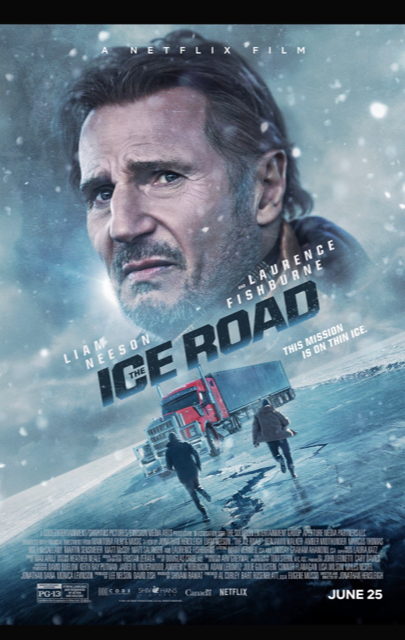 Greetings again from the darkness. Somehow, it’s already time for Liam Neeson’s semi-annual macho thriller. In this one, he gets to drive a big rig. Over a frozen river. He also gets to wear flannel, chew on a toothpick, and punch two guys (but no wolves) … all while doing the right thing in order to save some trapped miners. And it’s not about the money. Well, it starts out about the money, but in the end, it’s not about the money!
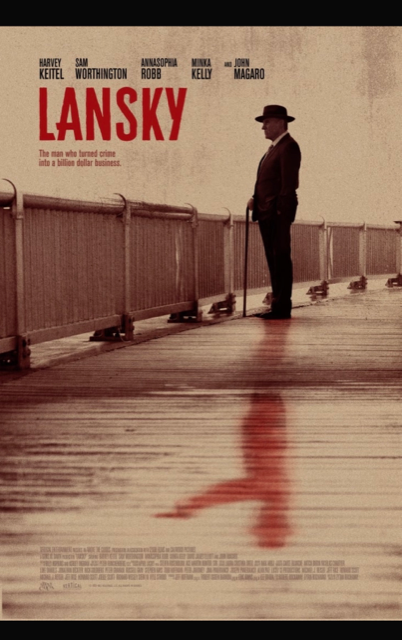 Greetings again from the darkness. If asked, the vast majority of movie lovers would name
  Greetings again from the darkness. The project began as a way to document the 25th anniversary of Mary J Blige’s enormously influential album “My Way” and her celebratory live performance to mark the milestone of the album. Vanessa Roth won an Oscar for Best Documentary Short Subject
  Greetings again from the darkness. Yours truly is of the age where childhood presented an abundance of freedom to play unsupervised outside, parenting years were filled with coaching and volunteering for the various structured kid activities, and grandparenting is comprised of waxing nostalgic for a simpler time when kids could be kids and parents weren’t so focused on their kids’ achievements and pursuit of perfection. Co-directors Margaret Munzer Loeb and Eden Wurmfeld dig into the evolution of parenting and the banishment of “free play”.
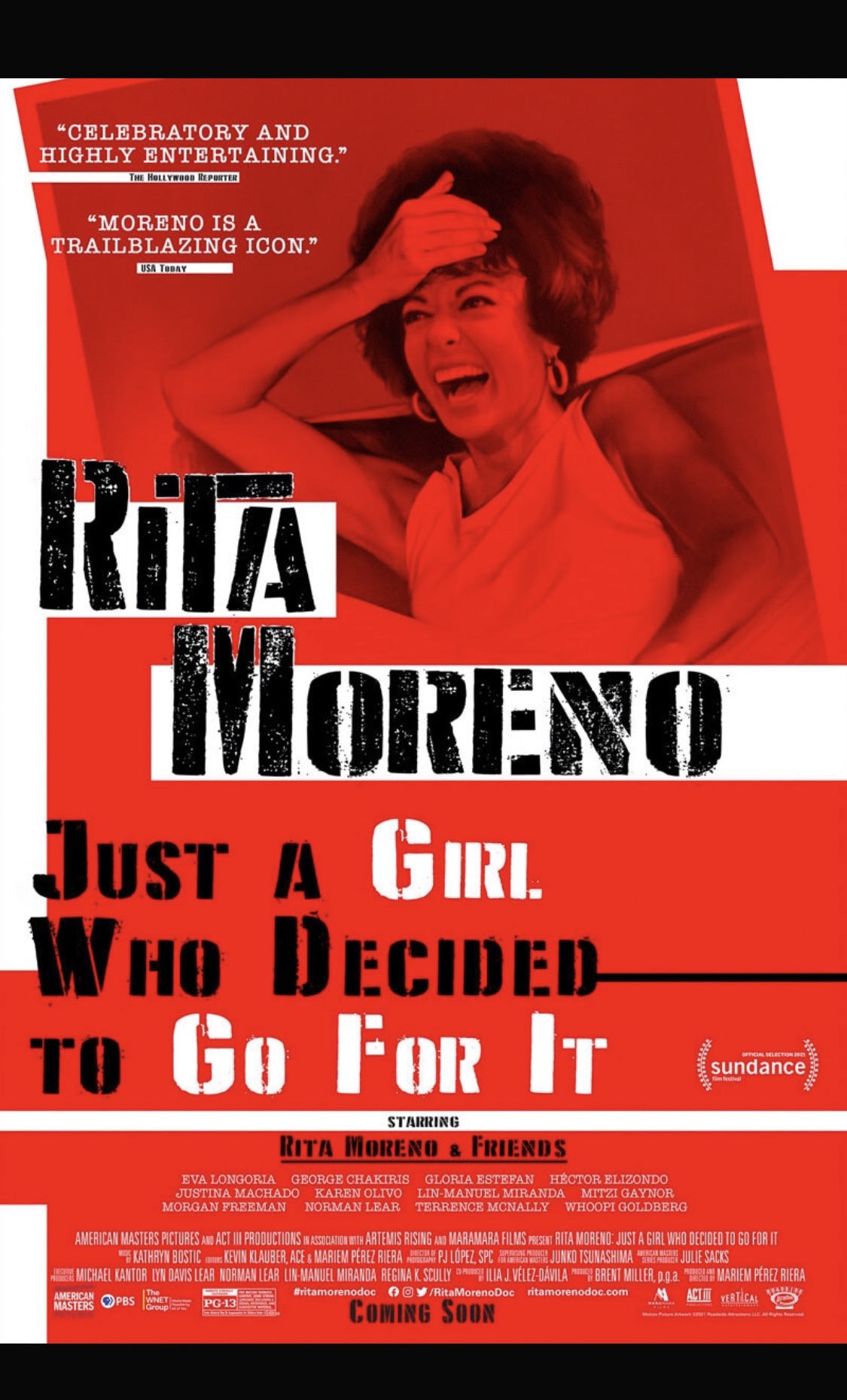 Greetings again from the darkness. There she sits. Rita Moreno looks directly into the camera as she tells her own story. And what a story it is. She talks about the good times and bad. She recalls the challenges of being a Puerto Rican immigrant in a predominantly white industry. Documentarian Mariem Perez Riera understands there is no one who can tell Rita’s story better than Ms. Moreno herself, yet knows the story becomes even more powerful with the insight of others.
 Greetings again from the darkness. It’s inexplicable how so much hate-based violence was ignored by the mainstream media for so long. Documentarian Dawn Porter is here to correct some of that. The film opens as a backhoe breaks ground in search of a mass grave site in Tulsa. If you watch or read the news, you have seen the current day reporting of the 100 year old massacre that occurred in 1921 in Greenwood, the “Black Wall Street” area of Tulsa. Over two days, an angry white mob killed hundreds of blacks, destroyed buildings and homes, looted valuables, and displaced thousands.
 Greetings again from the darkness. Over the past 5 decades, the number of bands that have broken up is, well, almost all of them. For two brothers to write songs and perform together over that span, and still be at it in their 70’s is remarkable. Sparks is made up of Ron Mael and younger brother Russell. They’ve published 25 albums with 300 songs, and performed thousands of concerts. Somehow they still like each other, respect each other, and work well together. As unusual as their music is and as strange as their stage show can be, it seems only fitting that their cinematic profile would be directed by Edgar Wright, who is best known for
 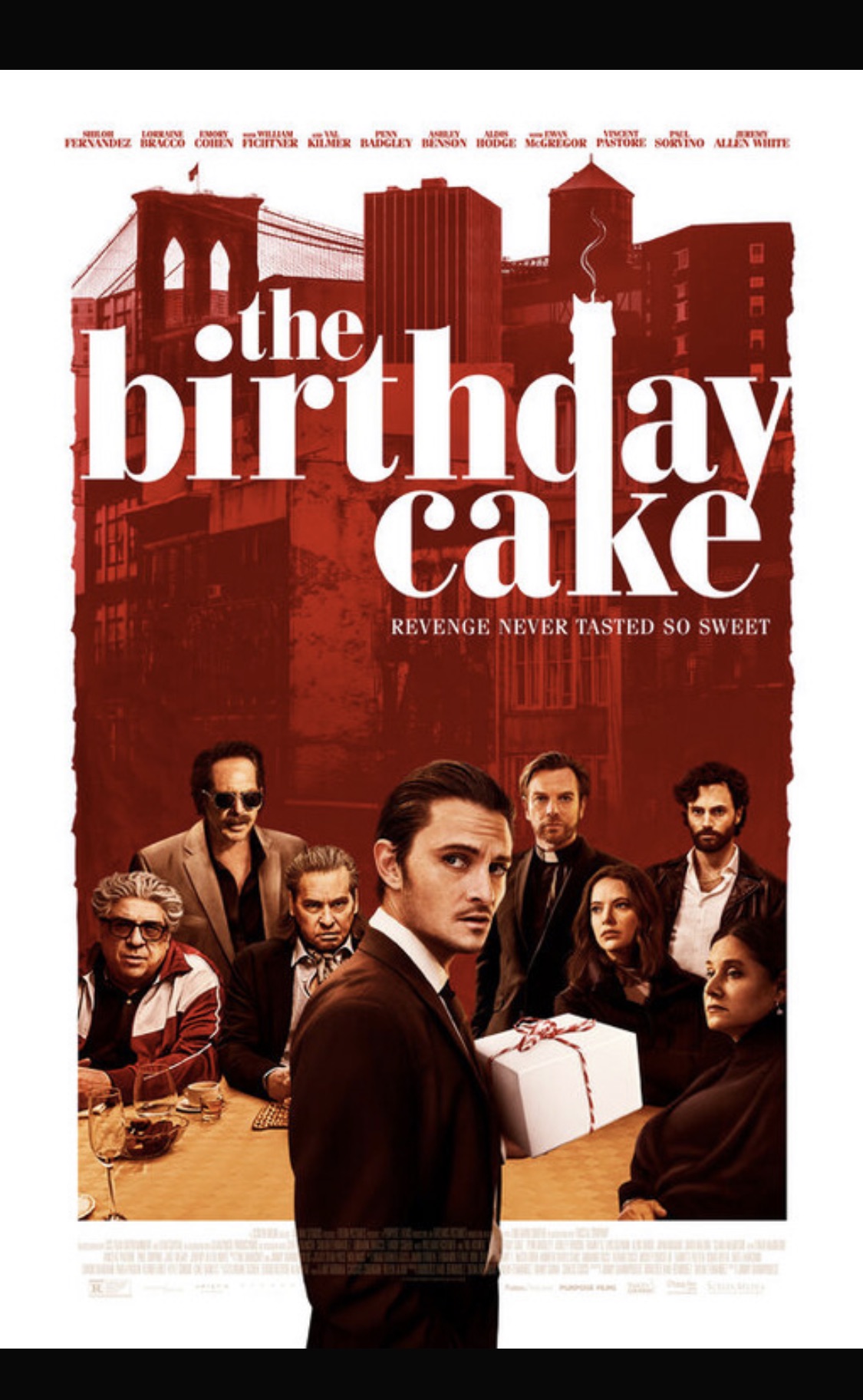 Greetings again from the darkness. All it took was one look at the cast for me to agree to watch and review this mob film. It’s the first feature film from writer-director Jimmy Giannopoulos, and he co-wrote the screenplay with Diomedes Raul Bermudez and Shiloh Fernandez (who also stars). Most will agree the world never really needs another mob movie, but gosh, when they work, they are quite fun to watch. Filmmakers Guy Ritchie and Martin Scorsese have figured this out.
 Greetings again from the darkness. Even those of us who aren’t “Southies” know the name James “Whitey” Bulger. Johnny Depp portrayed him in
  Movie Reviews from the Dark