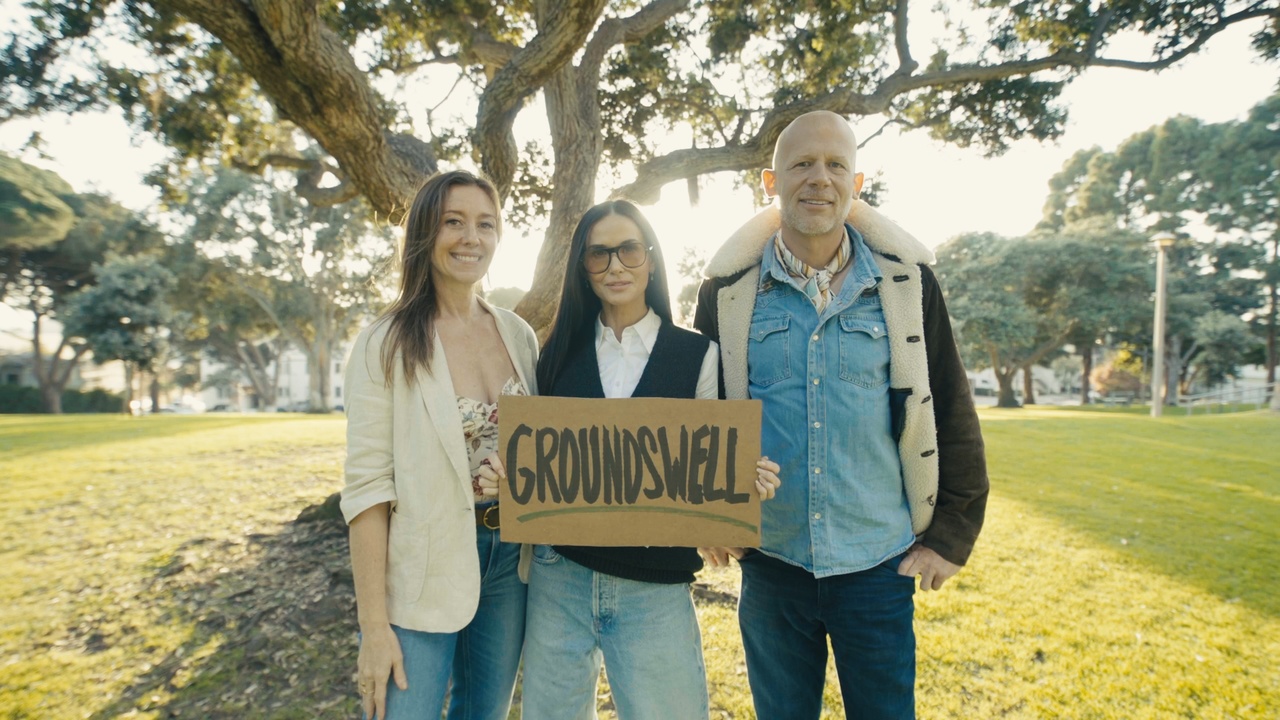
 Greetings again from the darkness. There haven’t been many documentary trilogies over the years, yet this is the third in a series from husband-and-wife documentarians Joshua Tickell and Rebecca Harrell Tickell. The first two were KISS THE GROUND (2020) and COMMON GROUND (2023), and all three deal with the importance of regenerative agriculture … a solution to our food problem and, it’s no exaggeration to say, the key to our future.
The film clearly defines regenerative agriculture and explains the importance of the movement. The bottom line is that decades of industrial agriculture (designed to feed an exploding population and maximize profits) has degraded farmland soil to the point that entire ecosystems have been damaged and biodiversity lost. Thousands of farms across five continents have been studied and the film takes us trotting around the globe to witness both the damage and the efforts to turn things around. We learn the importance of elephants in Kenya, how coffee crops in Columbia have been affected, and what damage in Brazil’s Amazon region has meant. We also learn how India is working to reverse the severe negative impact of industrial agriculture by transitioning to regenerative farming.
For skeptics, it should be noted that this is not some extreme liberal theory that the other side tends to dismiss so easily. Regenerative agriculture means the healthy soil better holds carbon and water to enhance the global ecosystem of fungi-plants-animals. The solutions exist, and some steps are as simple as having cows rotate pastures for grazing. We are reminded that, if we allow it, nature can heal itself. Birds are the best indicator that the system is healthy … the importance of birds could fill another documentary.
Actors Woody Harrelson and Demi Moore once starred as husband and wife in the 1993 film INDECENT PROPOSAL. Here, they narrate the Tickells’ film and explain that the very achievable goal is one billion acres transitioned to regenerative agriculture … that’s ten percent of the world’s farmland. The reward for saving the soil is that it also saves our climate and our food source … meaning it also saves our world. We are cautioned, “Don’t treat soil like dirt”. It’s a catchy phrase delivering a vital message. Joshua and Rebecca Tickell have been awarded the Golden Globes Prize for Documentary at this year’s Cannes. If this advice is followed, much bigger awards await.
The film will release on Prime Video this summer.
Trailer not available at this time


 Posted by David Ferguson

