 Greetings again from the darkness. Let’s begin with this: Danny Wu’s documentary ties legendary filmmaker Orson Welles into one of the most tumultuous periods of history. This is done not so much in a FORREST GUMP or ZELIG style, but more like one of those push pin boards Claire Danes used in “Homeland” by looping red thread around all the key characters and events. Wu opens with Webster’s 1913 definition of an “American” – originally applied to the aboriginal inhabitants, now applied to descendants of Europeans born in America, and especially to the citizens of the United States.
For cinephiles, much of Welles’ personal and professional story is well-known. Born in 1915, his mother died when he was ten. His father shipped him off to a liberal boarding school where he was free to pursue his passion in the theater, and all things creative. Fellow actor Simon Callow spends a good amount of time on camera recounting Welles’ passion for the theater, and especially acting, and how playwright Thornton Wilder and another legend, John Houseman, were instrumental in assisting Welles with early career breaks.
It’s at this stage where Wu drops in some ‘strange bedfellow’ politics, showing media mogul William Randolph Hearst playing a key role in getting Franklin Delano Roosevelt elected President. As the film progresses, we learn how this relationship shifted 180 degrees, and also how Welles later bore the brunt of Hearst’s powerful reach. FDR pushes through the Federal Theater Project, which keeps Welles working, and it’s in 1938 when Welles’ infamous broadcast of H.G. Well’s “War of the Worlds” puts folks on edge, and it’s the year Howard Kakita is born. We only get bits and pieces of Kakita’s story, but he and his family are linked to the United States, Hiroshima, and the internment camps established by FDR during the war.
By this stage, we have a grasp on what Wu is doing with his film – a blend of historical and biographical material. As a 25-year-old wunderkind, Welles secured an unprecedented contract with RKO, giving him total control of his work. The rough draft of his initial project is co-written with Herman Mankiewicz and John Houseman, and is titled “American”. This work is fine-tuned and becomes the 1941 classic, CITIZEN KANE. It’s at this point that Welles experiences the power of William Randolph Hearst, who crushes the distribution and box office of the film. Of course, even more than 80 years later, it’s still considered a cinematic masterpiece.
What many may not know is how Welles used the theater for many projects promoting anti-racism, at a time when Jim Crow laws were booming. Wu uses the example of Isaac Woodard to bring home the often-disgusting nature of this era. Sgt Woodard was headed home after serving in the war, when he was severely beaten to the point of having his eyes gouged out by a small-town sheriff and deputy. The tragic story is told by Woodard’s nephew and author Laura Williams. The blinding of Isaac Woodard is described as igniting the Civil Rights Movement.
Mr. Kakita offers more details of his family revisiting Hiroshima after the bomb, and we learn how J Edgar Hoover started a file on Welles during the era of McCarthyism and blacklisting suspected communists. After RKO re-edited (butchered) Welles’ film, THE MAGNIFICENT AMBERSONS, Welles felt rejected at most every turn and decided to move to Italy and live a quiet life focusing on the art of moviemaking. Described as transitioning from “Boy Wonder” to the “youngest has-been”, Welles did visit the U.S. periodically, and here his life has provided quite the perspective for Danny Wu’s innovative storytelling.
The film has a limited theatrical release on Sept 8, 2023 and digital release on Sept 12.


 Posted by David Ferguson
 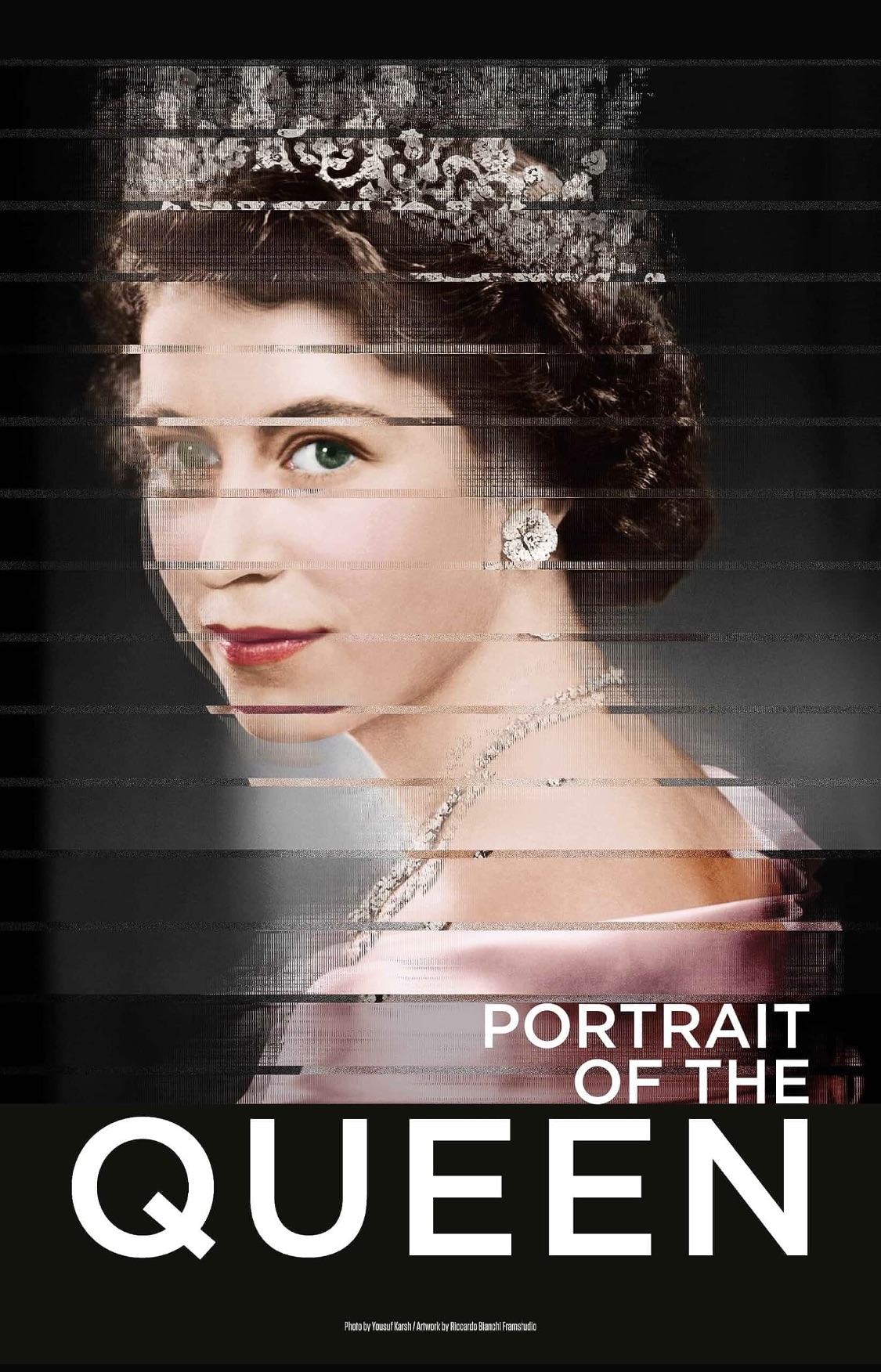 Greetings again from the darkness. Although not one of those Americans mesmerized by every move made by the Royal Family, I have long admired Queen Elizabeth II for the manner in which she conducted herself in public. Having served as Monarch for seventy years at the time of her death, the Queen displayed a rare and much appreciated decorum throughout her lifetime in the public eye. In fact, director Fabrizio Ferri begins the film by asking citizens to describe her in one word, and what we hear is no surprise: consistency, constraint, strong, constant, respect. Obviously, she was Queen for the entire life of most British citizens, so her passing was an emotional jolt.
 Greetings again from the darkness. Obsession. Commitment. Dedication. Devotion. Pursuit of perfection. Whatever this is, it goes deeper than imitation. Akio Sakurai has spent thirty-plus years trying to become … well, let’s use his quote: “I want to be Jimmy Page.” Yes, Akio is not paying tribute to his guitar hero, and he zooms past the definition of fanboy. Director Peter Michael David chronicles Akio’s dream (over 8 years), and the film left me with conflicting emotions. Should I be in awe of Akio’s guitar-playing, or should I be worried about the mental state of someone so focused on being someone else?
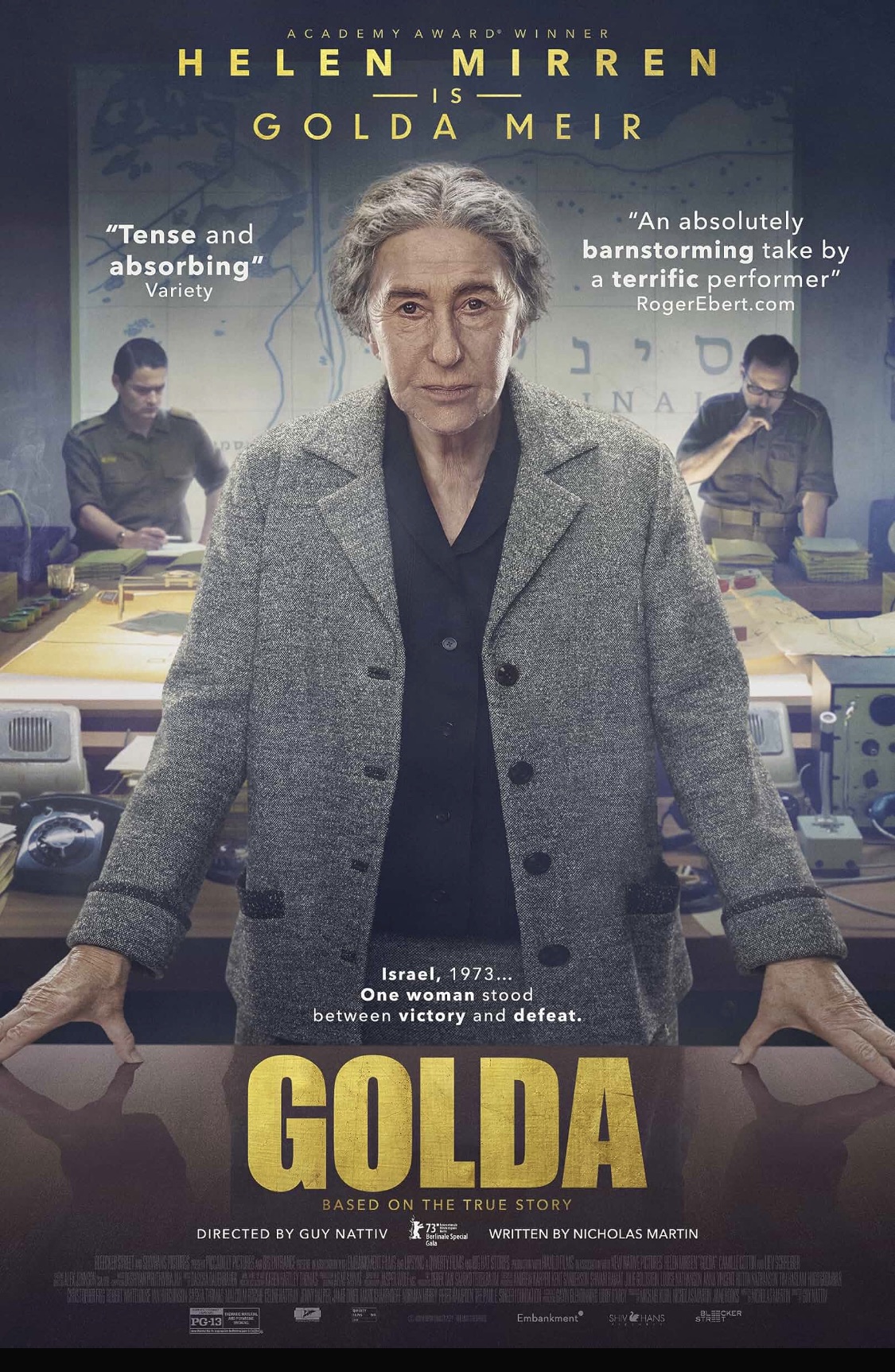 Greetings again from the darkness. More than forty years have passed since the great Ingrid Bergman portrayed Israel Prime Minister Golda Meir in the TV miniseries, A WOMAN CALLED GOLDA (1982). Fighting through cancer during filming, it was Ms. Bergman’s final role, and she won a posthumous Emmy for a performance that left quite a mark on this young (at the time) viewer. Guy Nattiv won an Oscar for his excellent short film, SKIN (2018), and here he takes on a narrow, yet vital window in the term of Golda Meir … a time when the survival of her country was in jeopardy. The screenplay was written by Nicholas Martin (FLORENCE FOSTER JENKINS, 2016).
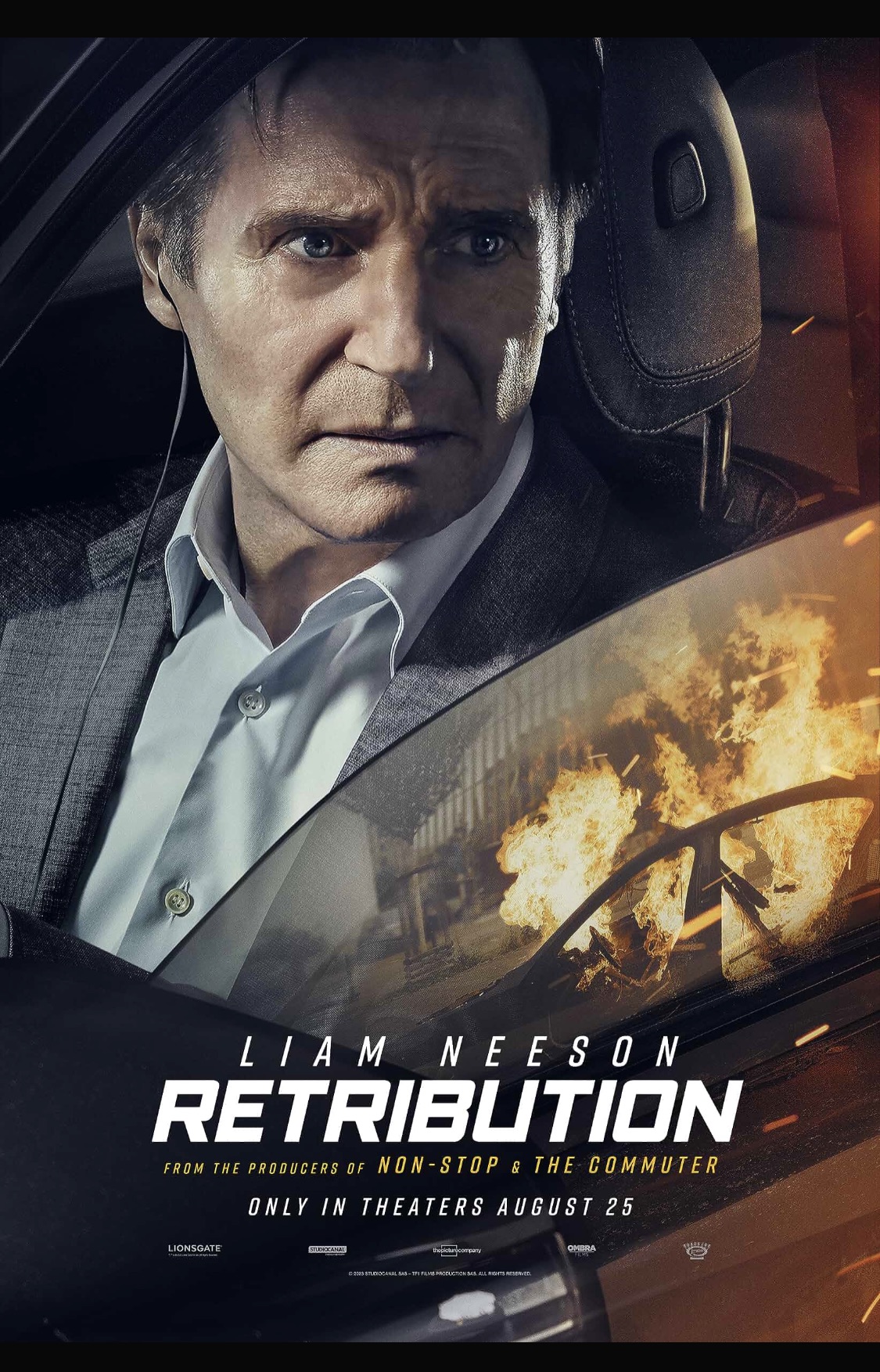 Greetings again from the darkness. Fully deserving of a tip of the cap is Liam Neeson, who used the popularity of TAKEN (18 years ago) to create a new sub-genre: the annual Liam Neeson action film where he gets to be the hero. This latest is from director Nimrod Antal (PREDATORS, 2010) with Christopher Salmanpour adapting the screenplay from Alberto Marini’s 2015 original, EL DESCONOCIDO (Spain). This is actually the third remake of that film, including those from Germany and South Korea.
 Greetings again from the darkness. When the musical geniuses we respect and admire speak in awe and wonderment about another musician, we know it’s time to pay attention. Of course, Wayne Shorter has long been recognized as a Jazz giant, and unfortunately he passed away earlier this year. For this three-plus hour documentary, director Dorsay Alavi interviews such renowned artists as Joni Mitchell, Sonny Rollins, Carlos Santana, and Herbie Hancock. It’s fascinating to hear those on top of the mountain express high-level respect for Shorter using such descriptions as greatness, visionary, and genius.
 Greetings again from the darkness. Alien invasion movies have long been a favorite of science-fiction filmmakers, as well as platform for those who strive to caution us to our societal missteps and wrong choices along life’s muddy path. Within the past couple of weeks I watched JULES (2023), a cute, heart-warming story about an alien who crash-lands in Pennsylvania and is cared for by Ben Kingsley’s character. Going back further we have the thoughtful ARRIVAL (2016), the outlandish MEN IN BLACK (1997), the precious E.T. THE EXTRA-TERRESTRIAL (1982) from Spielberg, the frightening ALIEN (1979) by James Cameron, the often-re-made WAR OF THE WORLDS (1953), and the classic FORBIDDEN PLANET (1956). Of course, this is but a tiny portion of the complete list, but it gives some idea of the long-lived fascination.
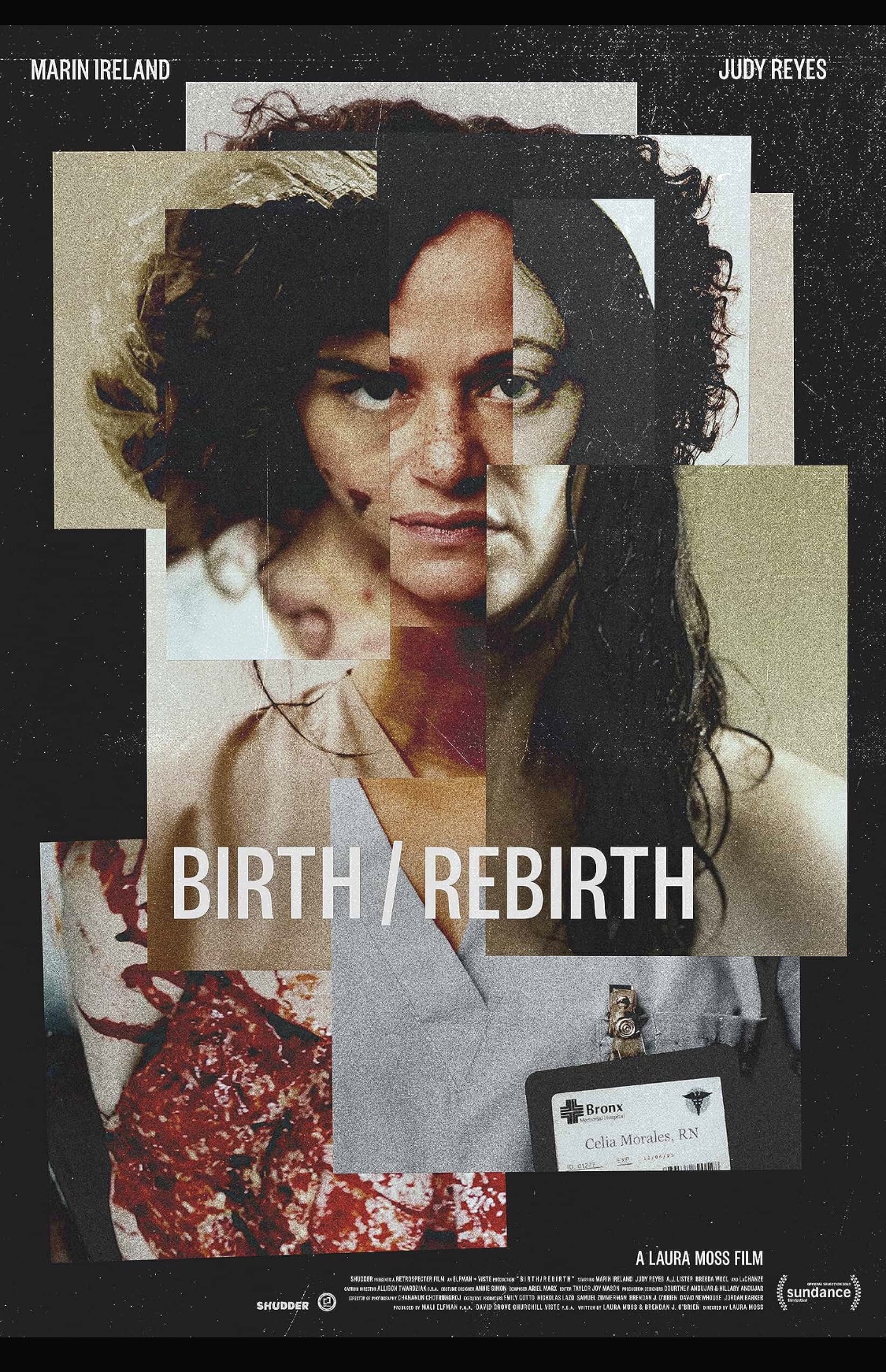 Greetings again from the darkness. When Colin Clive bellowed, “It’s alive. It’s alive”, in James Whale’s classic FRANKENSTEIN (1931), it instantly became an iconic moment in cinema history, and inspired many new readers to seek out Mary Shelley’s 1818 novel. Since then, there have been numerous takes on the idea of bringing the dead back to life, and this latest is the first feature film from writer-director Laura Moss and their co-writer and collaborator on their award-winning short film, FRY DAY (2017), Brendan J O’Brien.
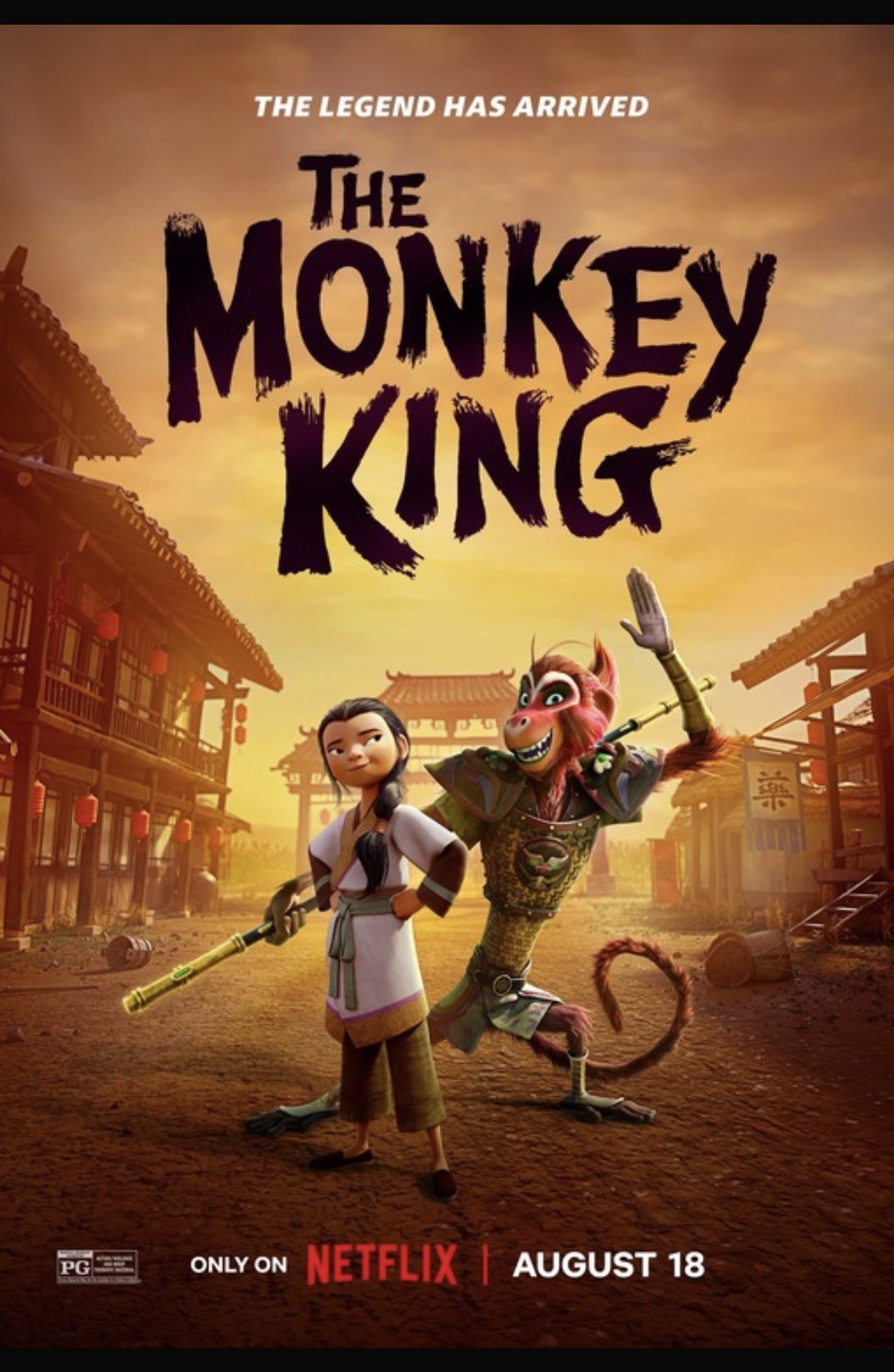 Greetings again from the darkness. Adapting literary works for the big screen is common practice; however, the stakes are a bit higher when dealing with a beloved classic Asian work that is more than 400 years old. “Journey to the West” was initially written during the Ming Dynasty and no original author has ever been confirmed. The stories were re-imagined for an English audience in 1942 by Arthur Waley and published as “Monkey”, and now director Anthony Stacchi and co-writers Steve Bencich, Ron J Friedman, and Rita Hsiao have brought their vision to the screen … focusing on one specific segment of the story.
 Greetings again from the darkness. Senior citizens sometimes nearly cease to exist for the outside world, or at best, are humored in a ‘there-there’ manner. So, what do you think happens when an elderly gentleman in a small western Pennsylvania town repeats the same suggestions at multiple City Council meetings, and then, in a nonchalant way, mentions that a spaceship crash-landed in his backyard, damaging his azaleas and birdbath? Right, others just shrug and move on, assuming the ol’ geezer is just imagining things.
 Movie Reviews from the Dark