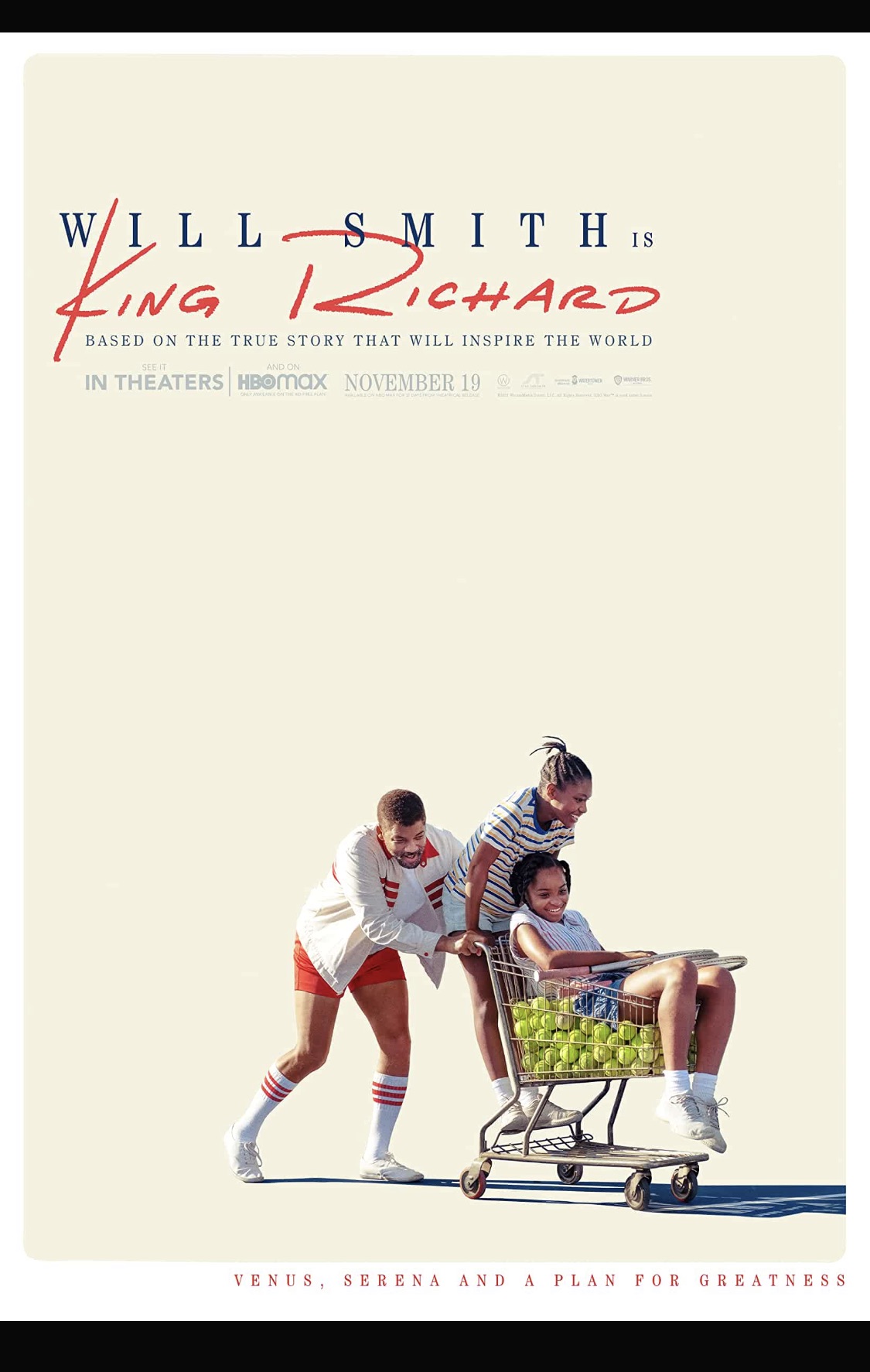
 Greetings again from the darkness. Sports parents. Band parents. Dance parents. Cheerleader parents. Drama parents. We all know THOSE parents … and many of us, whether we admit it or not, ARE those parents. Director Reinaldo Marcus Green (JOE BELL, 2020) and first time screenwriter Zach Baylin bring us the story of the unconventional, hard-driving, flawed, well-intentioned father of tennis superstars Venus and Serena Williams.
Will Smith portrays Richard Williams in a showcase role that he capitalizes on. Richard Williams is not a particularly likable man – his hustler mentality is eclipsed only by his stubbornness. But more than anything, Richard Williams was committed to giving Venus and Serena every opportunity to succeed in a tennis world that seemed like a different universe to the Compton neighborhood in which they were raised. Richard and his wife Oracene (an outstanding Aunjanue Ellis, THE HELP) coached the young girls themselves in public parks via instructional articles in Tennis magazines. Both parents balanced their jobs with this coaching, and Richard spent a significant amount of time “marketing” the girls to professional coaches, most who had no interest in taking on pupils who couldn’t pay.
Venus (Saniyya Sidney) and younger sister Serena (Demi Singleton) trust whole-heartedly in “The Plan” their father has in place. It’s a plan designed to place million dollar checks in their hands, and lead them to the top of the tennis world. Their first break comes in the form of John McEnroe coach Paul Cohen (Tony Goldwyn), who agrees to coach Venus. The real fun begins when Richard cuts a deal with super coach/trainer Rick Macci (a terrific Jon Bernthal) to take on both girls and cover the families living arrangements in Florida.
What makes this film work is that so many of us can relate to just how difficult it is to be a parent, and never settle for less when it comes to the kids. Now, Richard Williams is an extreme example – and his enormously successful daughters have dealt his approach a hand of credibility. Richard and Oracene are presented as very protective of their daughters, but also obsessed with helping them excel at school, tennis, and life. Given that there are three other daughters living in the house, it’s surprising that we don’t get more details on the reactions from those girls to the favorable treatment of Venus and Serena. The family is presented as being very tight-knit and loving, but it’s difficult to swallow that jealousy didn’t rise up periodically.
This truly is the story of how Richard Williams remained focused on getting his daughters to the top, so don’t expect the tennis history of Venus and Serena. The young actors playing them are excellent, but this takes us through the foundation of their careers while overcoming adversity, not the professional highlights. Oscar winning cinematographer Robert Elswit (THERE WILL BE BLOOD) makes the tennis look legitimate, while also bringing us the family intimacy. In fact, the scene in the kitchen is one of the more intense and well-acted scenes we will see this year, and the camera work amplifies the tension. On the lighter side, we get Will Smith singing Kenny Rogers’ “The Gambler”, and the closing credits show actual clips of Richard, Venus and Serena, as well as a rundown of their impressive achievements. Director Green has delivered a crowd-pleaser with some poignancy and a few well-placed messages. It wouldn’t surprise to see a few award nominations attached to this one.
Opens in theaters and streams on HBO Max beginning November 19, 2021


 Posted by David Ferguson
 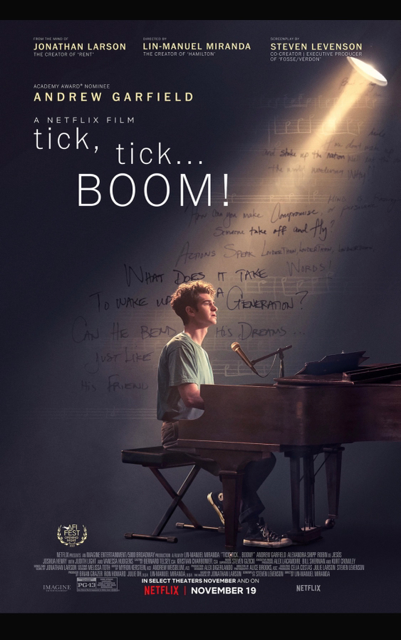 Greetings again from the darkness. Success comes in many shapes and sizes. Sometimes it brings happiness, glory, and financial gain, while other times there is an emptiness or sadness. Who better than Lin-Manuel Miranda (of “Hamilton” fame) to direct the cinematic tribute to composer and playwright Jonathan Larson? You likely know Larson’s name from his long-running Broadway smash hit, “Rent”, but this is his autobiographical project based on his early struggles in trying to write the next great American musical. It has been adapted for the screen by Steven Levenson (“Fosse/Verdon”).
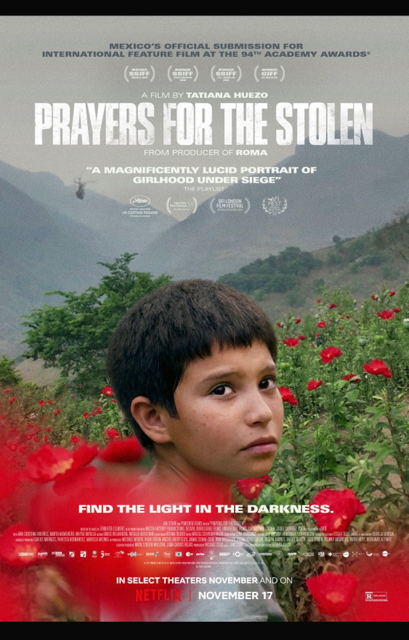 Greetings again from the darkness. This is Mexico’s official Oscar submission for 2021 Best International Feature Film. Written and directed by Tatiana Huezo (her first narrative feature), the story is adapted from the 2014 best-selling novel by Jennifer Clement. It’s an unusual film that lacks a traditional plot, and instead focuses on the daily lives within a small village in Mexico.
 Greetings again from the darkness. Despite Irish ancestry, during my childhood, Ireland was vaguely described as a place to avoid due to the Northern Ireland Conflict (also known as The Troubles). In contrast, the childhood of writer-director Kenneth Branagh was smack dab in the middle of this political and religious mess. This autobiographical project is a sentimental look back at his youth and the connection to his career as a filmmaker. This is very attractive and appealing filmmaking, and one that acknowledges the violent atmosphere without dwelling on it.
 Greetings again from the darkness. We tend to think of ‘coming-of-age’ movies as centered on teenagers as they face the challenges of transitioning into adulthood. The reality is that folks come of age during different phases of life (and some seemingly never do). Filmmaker Joanna Hogg continues her autobiographical look back with the follow-up to her exceptional 2019 arthouse film. Is it a sequel? Technically, yes; but it’s more of a continuation, and the two parts actually function best as a single 4-hour story.
 Greetings again from the darkness. Writer-director-editor-actor Jim Cummings’ 2018 film THUNDER ROAD was quite popular on the festival circuit, and Cummings is back with another story of a stressed out man … at a time when the world doesn’t much care about stressed out men, especially those who carry themselves with a heavy dose of self-importance. Cummings and co-writer, co-director, and co-star PJ McCabe have delivered a satire on traditional Hollywood in the shape of a whodunit with dark comedy that teeters into thriller territory.
 Greetings again from the darkness. We’ve seen most of this before in a long list of inspirational sports stories where the beleaguered, tough as nails coach comes in and unites a rag-tag team while teaching life lessons. However, with (2-time Oscar nominee) Michael Shannon cast as the coach, we know there will be at least one performance worth watching. The screenplay is from Vojin Gjaja and it’s directed by Michael Mailer (son of 2-time Pulitzer Prize winning author, Norman Mailer).
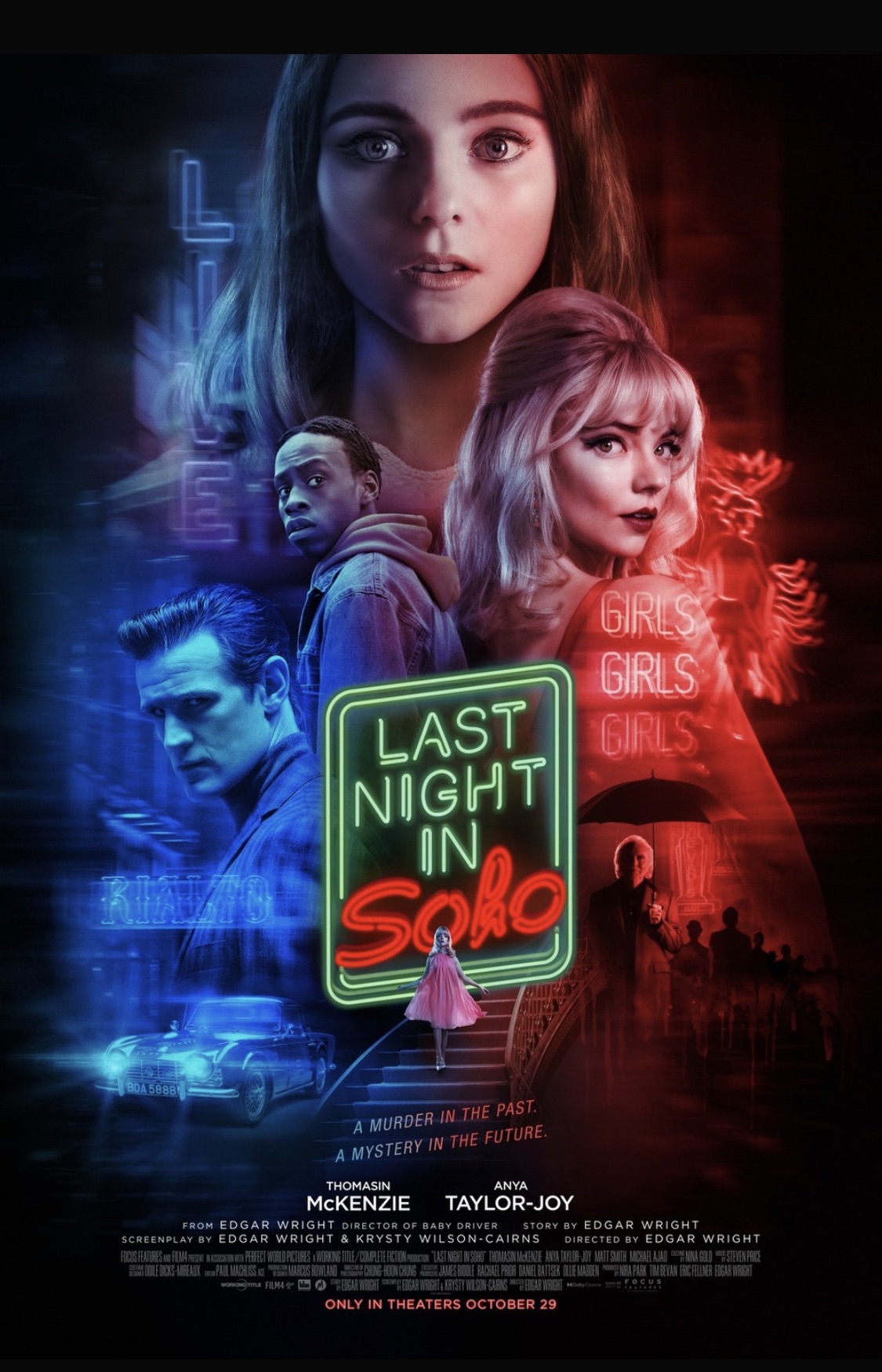 Greetings again from the darkness. Every once in a while a movie captures that magic feeling of being swept away, and this wild film from writer-director Edgar Wright and co-writer Kristy Wilson-Cairns (1917) did just that for me. This is my kind of psychological-horror-thriller and with the exception of one sequence that went a bit too “slasher” for my tastes, I had a blast watching it. I’ll admit that, while also acknowledging more people will probably not enjoy this, than will. But for those who do, I feel confident they will share my enthusiasm.
 Greetings again from the darkness. Few things in the cinematic world are more instantly recognizable than a Wes Anderson movie. In fact, historically speaking, perhaps only Jacques Tati comes as close to having a signature style easily spotted by viewers (unless you want to count Tom Cruise sprinting or Julia Roberts cackling). This is Mr. Anderson’s 10th feature film in 25 years, and I now rate 5 of these very highly, though all 10 have a certain appeal. This latest, co-written by Anderson with frequent collaborators Roman Coppola, Hugo Guinness, and Jason Schwartzman, could be considered his most ambitious to date … and likely the most ‘Wes Anderson’ of all.
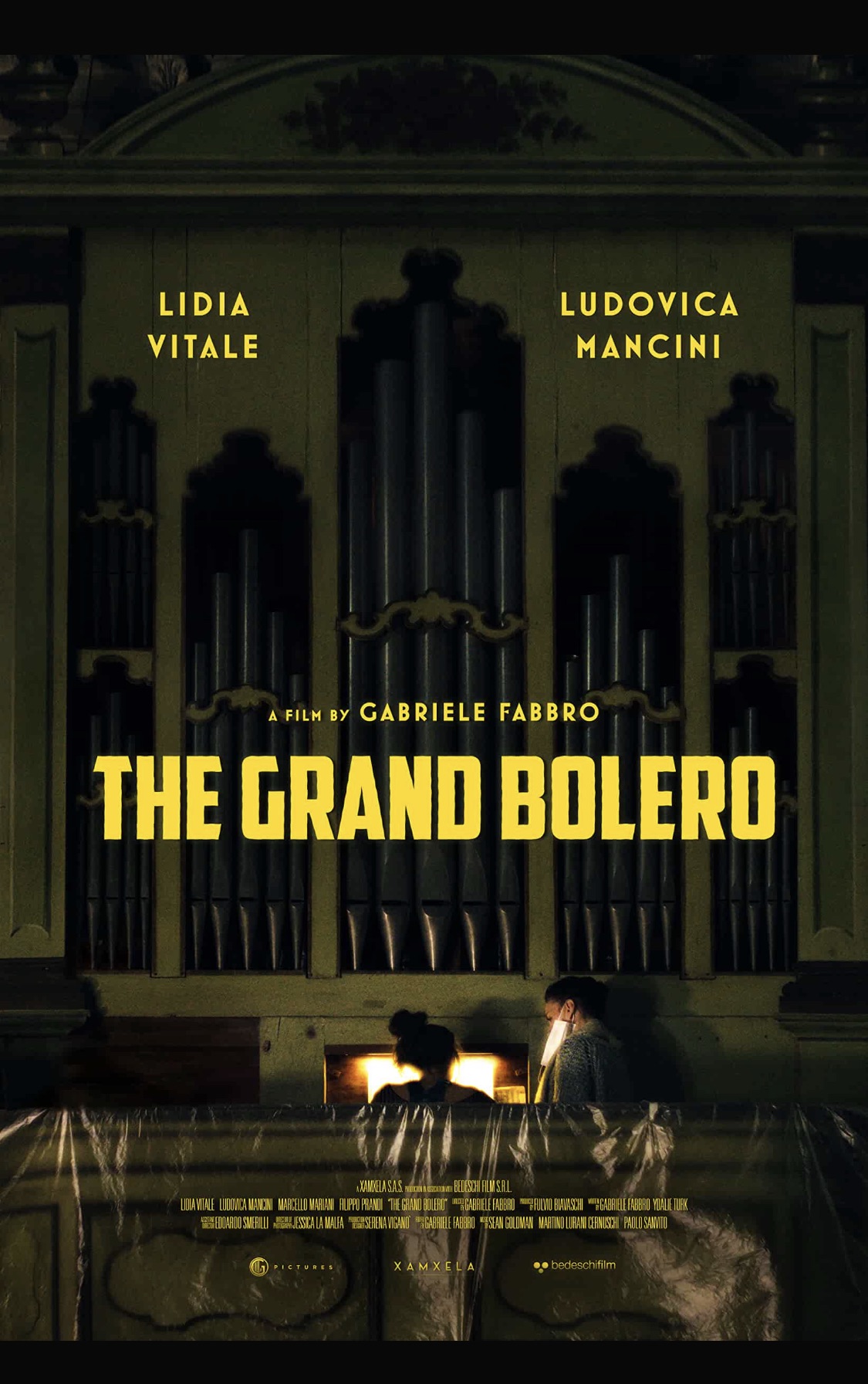 Greetings again from the darkness. The symphonic crescendo of Maurice Ravel’s “Bolero” is perfectly synched with this film’s crescendo, creating a heart-racing, frantic few moments of passion, lust, revelation, and shock – for both the characters and viewers. Also shocking is discovering that this is writer-director Gabriele Fabbro’s first feature length narrative film (after many shorts and videos). This is expert filmmaking and creative storytelling that harkens back to classic 1970’s cinema in a time when it’s certainly needed and appreciated.
 Movie Reviews from the Dark