 Greetings again from the darkness. Many of us (perhaps too many) are drawn to the dark side – topics that dig into the ugly side of human nature that Mr. Rogers mostly avoided in his neighborhood. A quick look at the popularity of true crime shows provides proof of the fascination that corresponds to those who don’t subscribe to the golden rule. Writer-director Pascal Plante has a track record of film festival success and his latest fits the mold – fascinating to watch with a twist that may have viewers questioning their own assumptions.
Ludovic Chevalier (Maxwell McCabe-Lokos) is a demented serial killer on trial for the murder of 3 teenage girls, ages 13, 14, and 16. He is facing multiple additional charges including sexual abuse, necrophilia, torture, etc. He used ‘red rooms’ to film these atrocious actions and then sold the recordings for profit. The opening statement from prosecutor Chedid (Natalie Tannous) stuns us with details of crimes, as well as informing us that 2 of the 3 tapes will be shown to the jury. Suspect Chevalier sits quietly in a glass cage as the court proceedings take place. However, the serial killer is not the most interesting character in this story. Seated in the gallery as close to Chevalier as possible is Kelly-Anne (Juliette Gariepy) and Clementine (Laurie Babin). We learn that it’s common for serial killers to have groupies … not unlike rock stars, movie stars, and professional athletes.
Each day, Kelly-Anne and Clementine grab their courtroom seats and take in the show. The two form an unlikely and shaky friendship. See, Kelly-Anne is a model and high stakes online poker player. She has a sophisticated, AI voice-activated computer system in her high-rise apartment. In comparison, Clementine is a simple woman convinced that Chevalier is innocent because of his warm eyes. She feels a bond to him, and assumes Kelly-Anne shares this bond and belief.
Filmmaker Plante starts us off in a similar fashion to other courtroom dramas, however this one is also part dark web tutorial and psychological case study – not to mention a peek at cryptocurrency and hacking. Like Clementine, we assume we understand Kelly-Anne’s motives, but there is an old saying about when we assume. As the story develops, it’s the psychological aspects that hold our attention. Stone-faced Kelly-Anne only rarely offers cracks in her façade, and Plante manages to add tension to online poker and dark web auctions.
This was filmed in Montreal in French language, though we get only minimal shots of the city. Instead, much of the time is spent on close-ups of stoic Kelly-Anne and those eyes that are so difficult to interpret. Almost no gore is shown here outside of a single screen shot inside a red room, and the atrocities are wisely left to our imaginations. However, there is one quite disturbing sequence that finds Kelly-Anne in a specific costume for one day in court. I’ll admit to having to Google Kelly-Anne’s username to realize that ‘Lady of Shallot’ is a reference to a Tennyson poem. The end could be described as a twist (depending on your own previous assumptions), and yet also open-ended enough to generate plenty of analysis and debate. Pascal Plante has delivered quite a smart and complex character in Kelly-Anne.
Opened in select theaters on September 6, 2024


 Posted by David Ferguson
  Greetings again from the darkness. I don’t know why. I wish I could explain it. So many movies I admire or find intriguing are not the kind of movies that one would describe as uplifting, likable, or even watchable multiple times. The first feature film from writer-director Luna Carmoon is yet another for that category. It’s simultaneously compelling and unpleasant – a difficult movie to watch with an unrelatable lead character. And yet, I couldn’t turn away. The film won multiple awards at the 2023 Venice Film Festival, so obviously I’m not the only one drawn to this.
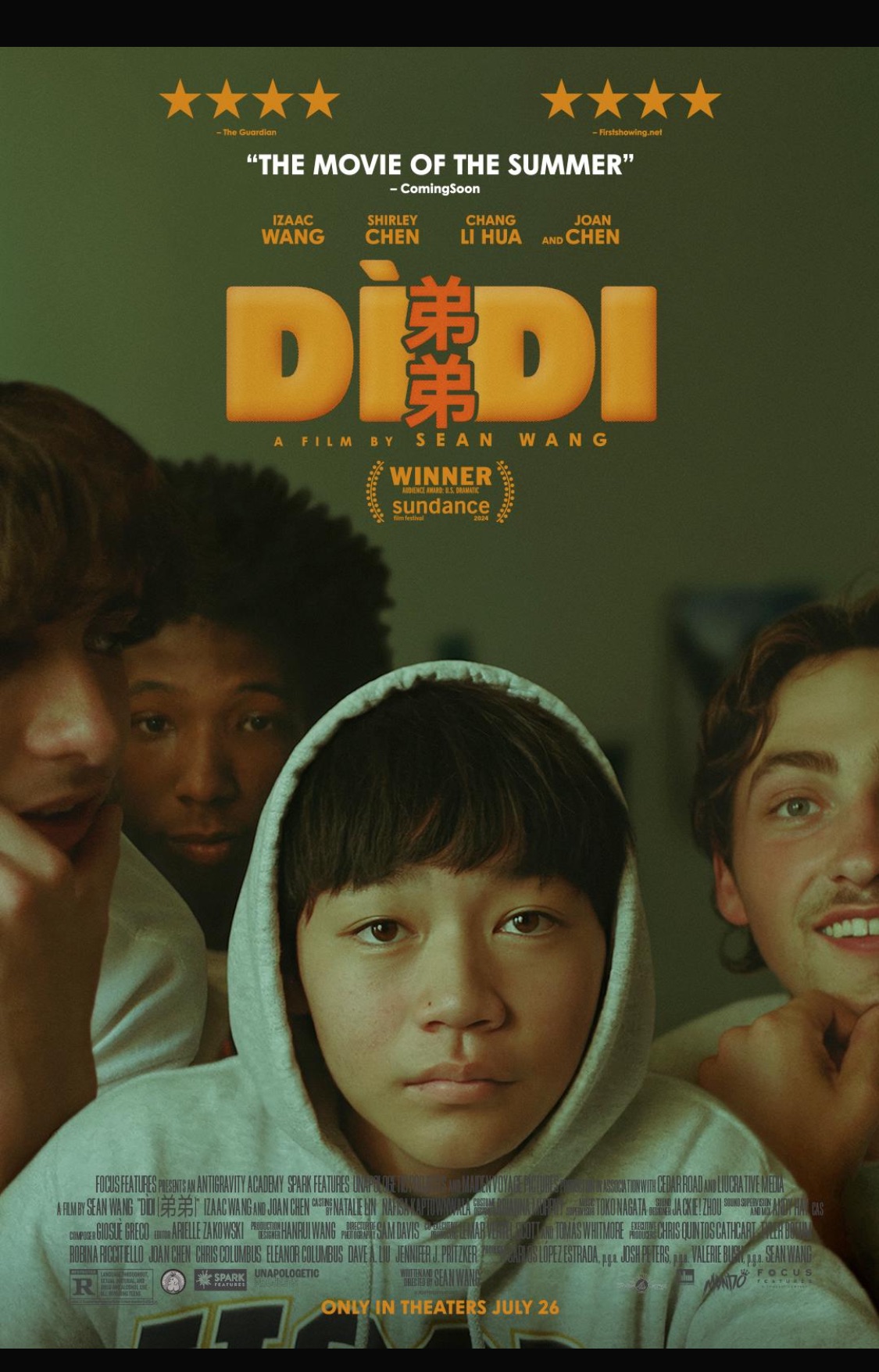 Greetings again from the darkness. ‘Coming of Age’ films typically lean heavily into either comedy or tragedy. In his first feature film, writer-director Sean Wang (Oscar nominated for his documentary short NAI NAI & WAI PO, 2023) takes a different approach. While he certainly injects some humor, it’s isolation and awkwardness – that feeling of not fitting in – that takes center stage. It’s quite possible, even likely, that some of this is autobiographical for director Wang. That’s a safe statement since most every teenager can relate to bits of this story.
 Greetings again from the darkness. The mistreatment of kids is something that causes a physical reaction for me. It’s not just the intellectual and emotional effects – my entire body reacts by shifting into some mode that’s a cross between aggression, sickness, and denial. No matter how much we wish child trafficking wasn’t occurring, we know that it is … and reminders are crucial in keeping the awareness and discussions (and kids) alive. That’s the role of the first feature film from writer-director Mohit Ramchandani.
 Greetings again from the darkness. As a lifelong avid baseball fan, I recall the 1973 season when relief pitcher Tug McGraw (father of country performer and actor Tim McGraw) elevated the phrase “You Gotta Believe” to the rallying cry for his New York Mets team that year (they ultimately lost the World Series to the Oakland A’s). So, I’ll admit to a touch of skepticism when I saw this was a baseball movie. Director Ty Roberts and writer Lane Garrison previously collaborated on 12 MIGHTY ORPHANS (2020) and THE IRON ORCHARD (2018), and after watching this one, I’ll give them full credit for bringing very human stories of real people to the screen.
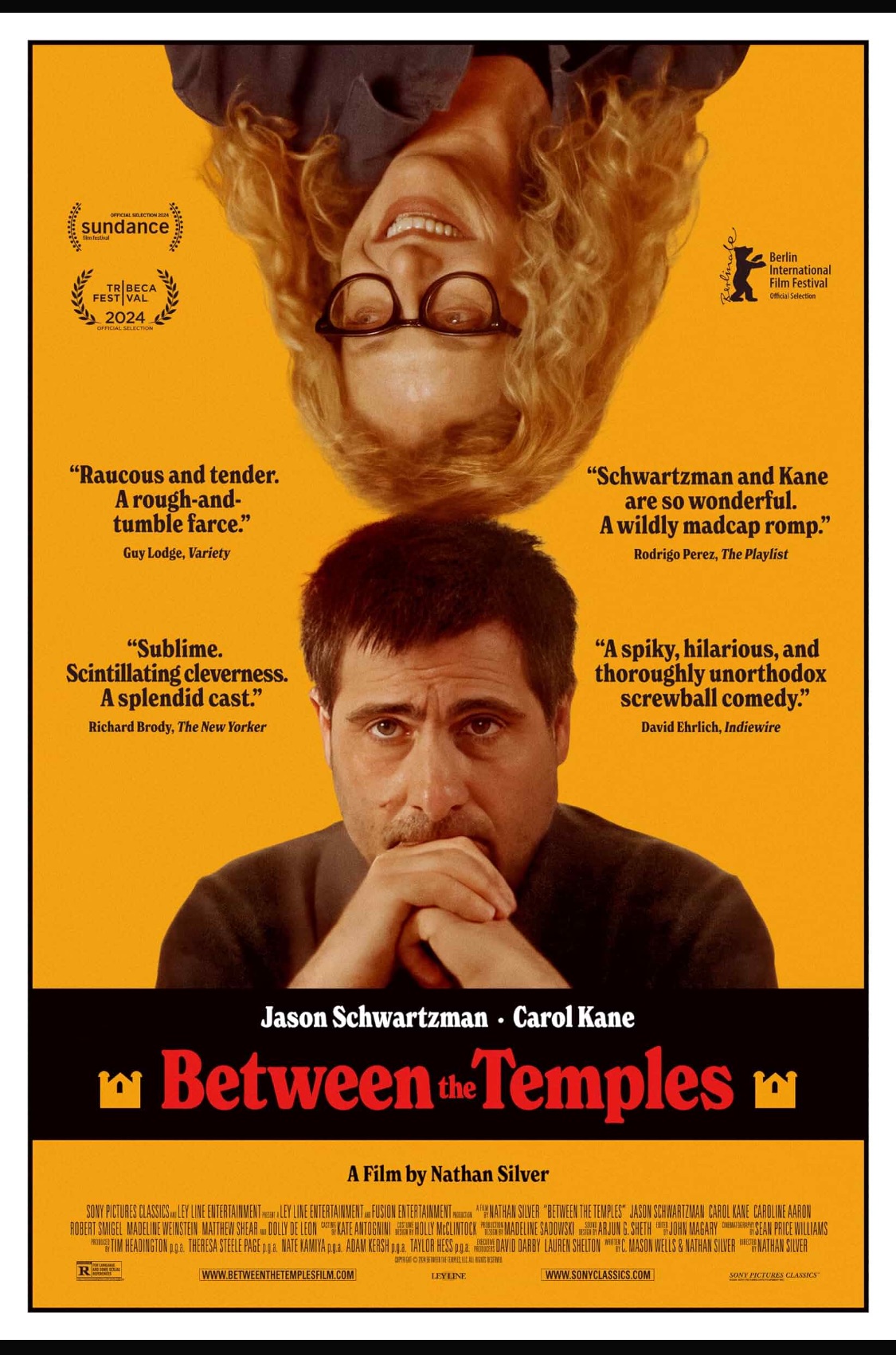 Greetings again from the darkness. It seems wrong (and a bit cheap and obvious) to use the word “unorthodox” to describe this latest movie from writer-director Nathan Silver (STINKING HEAVEN, 2015) and co-writer C. Mason Wells. However, that description fits … even if a bit too perfectly. The word also accurately describes the look and camera work from cinematographer Sean Price Williams, using harsh close-ups for immediacy and a filtered soft look for connection.
 Greetings again from the darkness. It’s understandable if this movie makes you consider whether penguins might make better friends than people. David Schurmann directs a script from Kristen Lazarian Paulina and Lagudi Ulrich that is ‘inspired by a true story’. By now, we all recognize this as code for dramatic license has been taken, and it’s up to the viewer to differentiate fact from fiction.
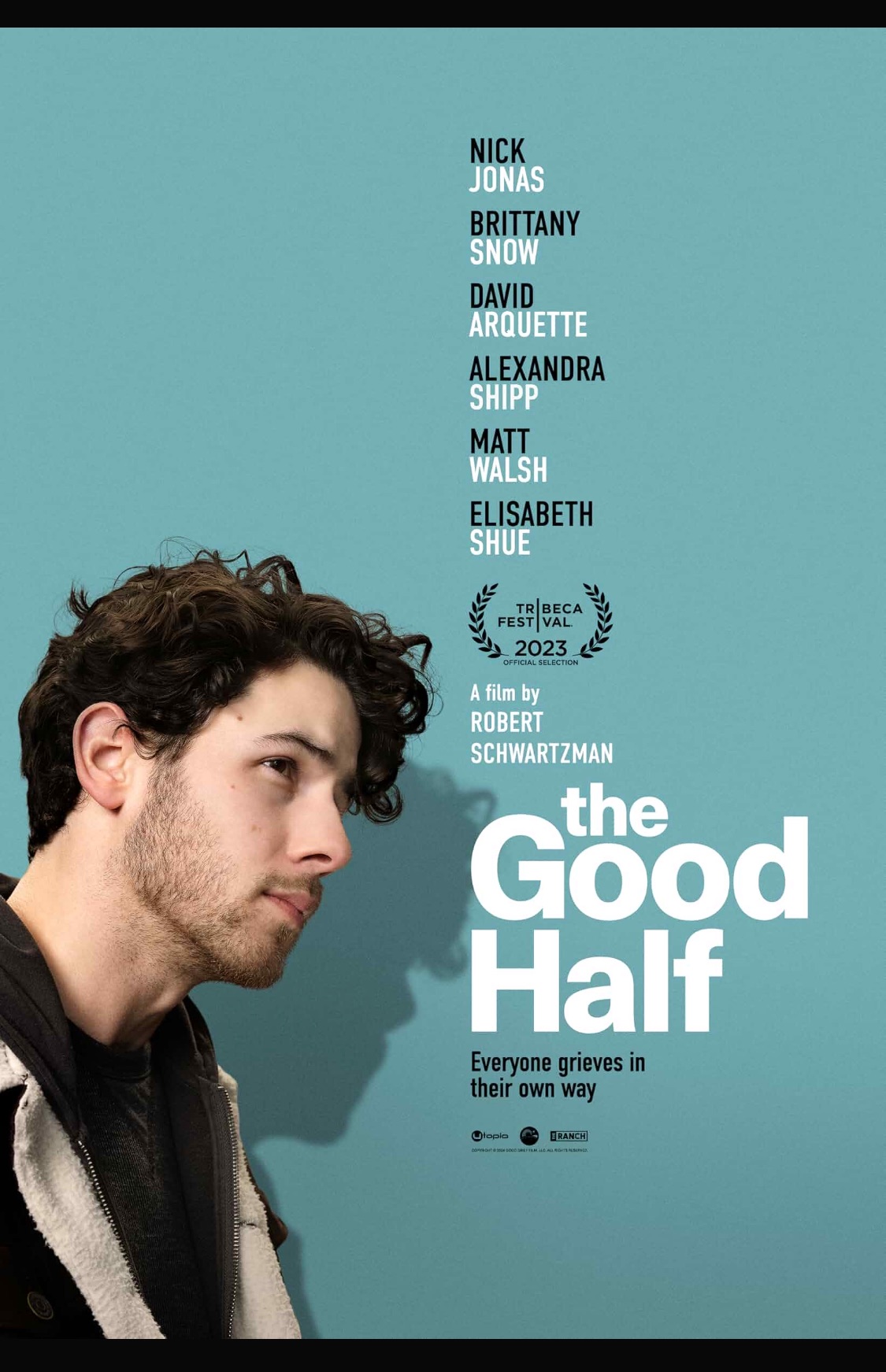 Greetings again from the darkness. Losing a parent is a difficult time that most of us will deal with at some point. Sorrow and guilt and anger are typically part of the grieving process, and that’s precisely what writer Brett Ryland and director Robert Schwartzmann (THE ARGUMENT, 2020) show us. For those who have been through it already, it’s likely to bring back emotions that will always be there, and for those who haven’t experienced this yet, it serves as a cautionary tale.
 Greetings again from the darkness. Billed as “a fictional story inspired by true events”, the film pretty obviously draws from the 2014 case where aesthetician Dawn DaLouise was accused of plotting the murder of rival Gabriel Suarez. This is the first feature film from music video director Austin Peters, who co-wrote the script with Sam Freilich and Deering Regan (all first-time screenwriters). Although there is some entertainment value here, the inexperience of the filmmakers shines through, leaving us wishing for a bit more heft.
 Greetings again from the darkness. Some slack and a certain level of compassion is due director James Marsh’s (Oscar winner for MAN ON WIRE, 2008) biopic on the enigmatic writer Samuel Beckett. The reasons no other filmmaker has previously attempted to profile Beckett are on display here, right alongside the reasons he remains such a fascinating figure. The screenplay from Neil Forsyth features surprisingly little of Beckett’s own work, and instead, generally breaks his life into three categories: his foundation as a writer, his work in the French Resistance, and the weight of his romantic life.
 Movie Reviews from the Dark