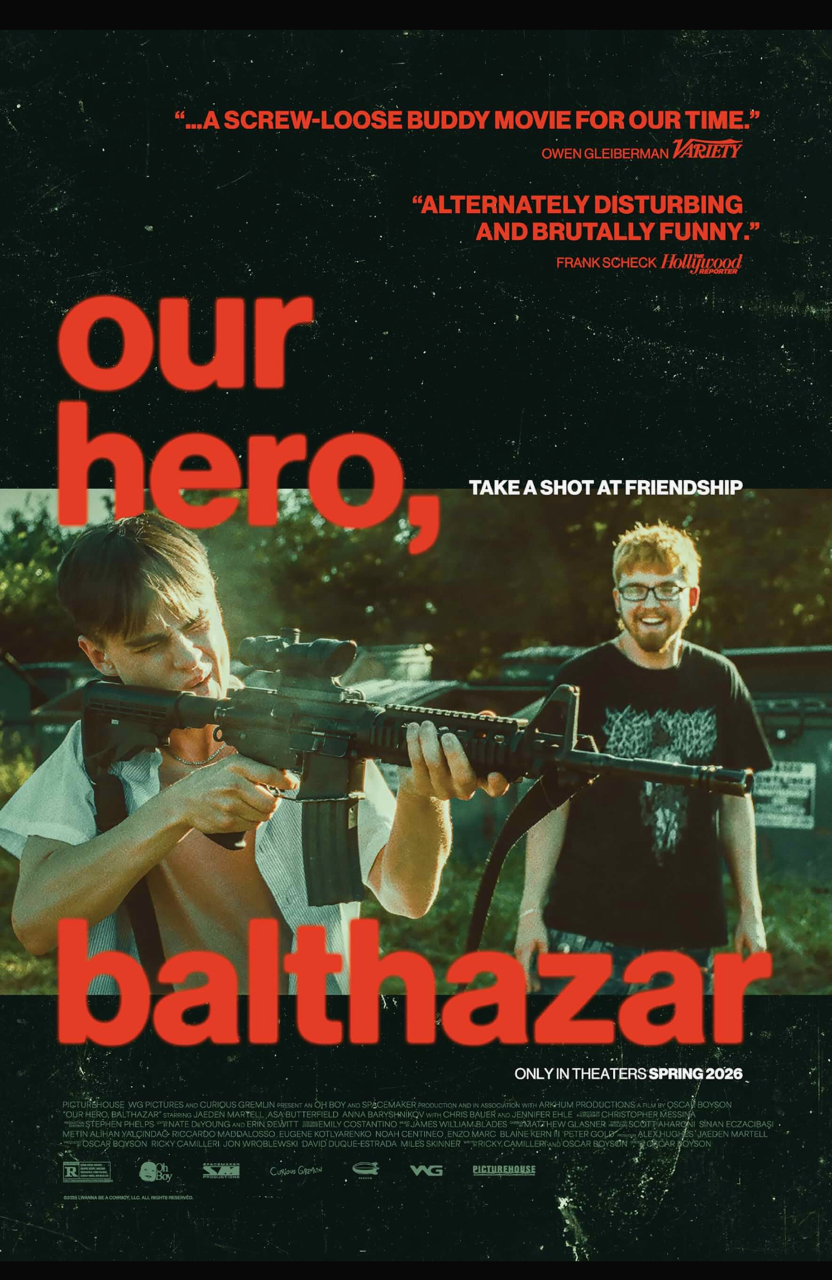
 Greetings again from the darkness. If you see something, say something. If you know something, say something. If you fear something but aren’t sure, say something. Such is the world we live in today … the world our children live in today. Somehow that same world also revolves around social media and the insatiable desire to be ‘seen’. The first feature film from writer-director Oscar Boyson and co-writer Ricky Camilleri takes on these somewhat conflicting societal issues, and they do so with an approach that’s at times absurdist, often comical, and always a bit frightening (in a real world way).
Jaeden Martell (IT, 2017) stars as the titular Balthazar … known as Balthy to his friends and family. Balthy is unmistakenly a product of wealth, as evidenced by his elite private school, his ‘life coach’, and the $50 million penthouse suite overlooking NYC he lives in with his socialite mother (Jennifer Ehle). He’s a wannabe social media influencer with an innate ability to shed tears on demand – especially while filming his latest video. A “Mass Shooting Preparedness Seminar” held at school leads Balthy to believe – a surefire way to being a hero is to stop a school shooting before it happens. This leads to a beyond-awkward attempt to woo a classmate (Pippa Knowles) with his plan. She, of course, shuns him.
Online research (using a secret identity) connects Balthy to Solomon (an outstanding Asa Butterfield, GREED, 2019), a young man in rural Texas whose tough online persona clashes with his real life insecurities. Solomon certainly has access to guns, and a life of poverty with his grandmother means his online threatening posts are the red flags Balthy needs in his quest for heroism. An obvious contrast between the rich NYC boy and the poor country Texas boy also shares commonality. Both boys feel isolated and not part of the mainstream. Their family lives are not ideal, and both feel at risk of being invisible.
Balthy heads to Texas and the initial meet with Solomon doesn’t go smoothly, but the mutual need to bond with another brings them around. Whether Balthy can actually succeed in his mission to stop a school shooting plays out in his relationship with Solomon. The two fine actors perfectly capture the awkwardness of the age, as well as the differences and similarities of those growing up in such distinct environments.
Chris Bauer appears as Solomon’s estranged father, and his personality and ‘job’ explains a great deal about the boy’s outlook. For Solomon, this appears to be about exhibiting (toxic) masculinity, while for Balthy, it’s about pre-fab heroism. The need for real attention is the shared space in their Venn Diagram, and the NYC-to-Texas extremism is there to make a point. The filmmakers smartly use humor to avoid over-bearing heaviness, yet the film remains a reminder to heed red flags and say something.
Opened in NYC on March 27, 2026 and opens in LA on April 3


 Posted by David Ferguson
 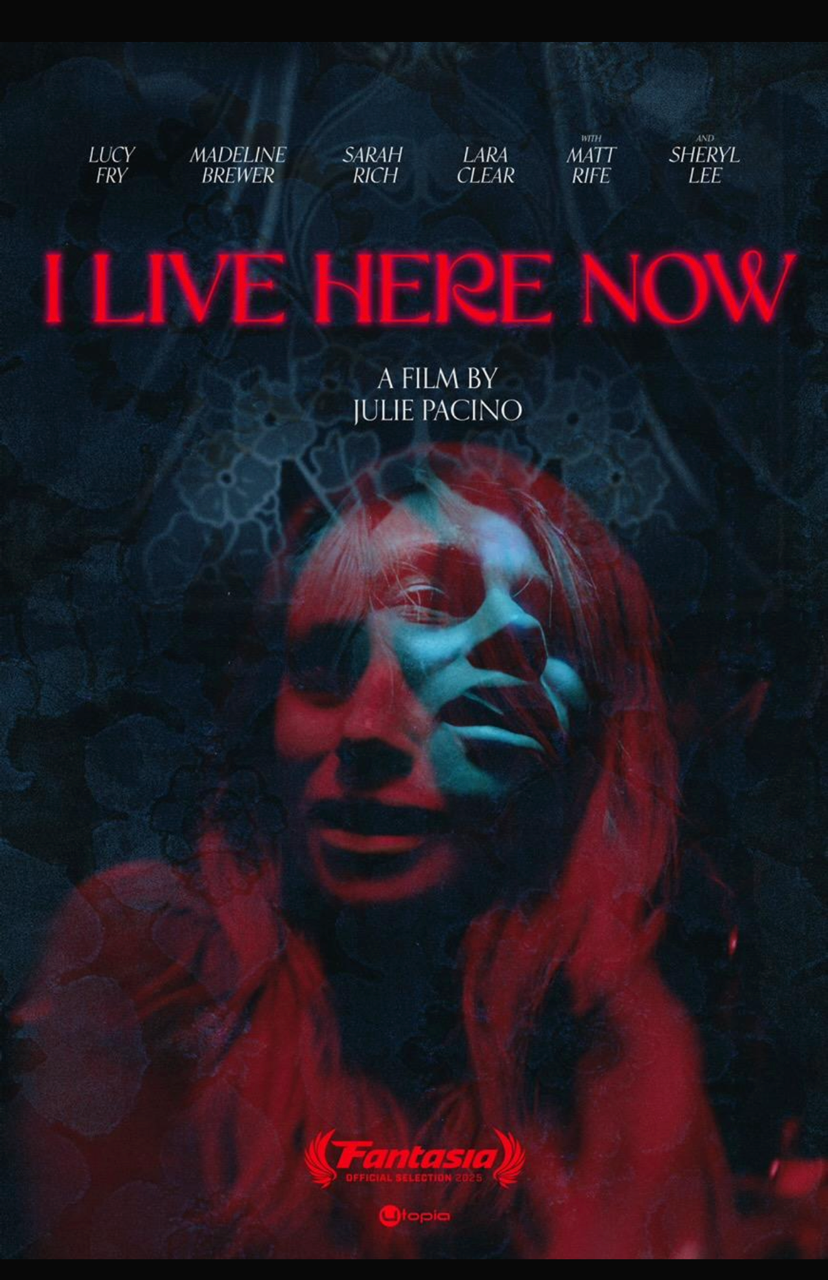 Greetings again from the darkness. The first feature film from writer-director Julie Pacino (daughter of screen legend Al Pacino) is a whirlwind of creativity that is not likely one for the masses. The film has a surreal, dreamlike style that disorients us through the use of color and imagery. In fact, the hazy symbolism is well done and speaks to the ongoing effects of childhood trauma.
 Greetings again from the darkness. Not many interesting stories feature a 1991 Toyota Camry as a main focus. The exception is this one based on the real-life journey of Seattle’s Amanda Ogle. Directed by Stephanie Laing and co-written by Jonathan Keasey and Brant Bolvin, it’s a story of Amanda’s tenacity and perseverance, and how it is sometimes possible for the little guy/gal to win.
 Greetings again from the darkness. As we are unfortunately learning yet again … there are no upsides to war. There are the deaths and injuries that occur to soldiers and citizens. There is destruction of property and cityscapes. And there is the cost to those who are neither soldiers or government officials – the ‘quiet cost’ of war. Writer-director Silvio Soldini (BREAD AND TULIPS, 2000) and co-writer Doriana Leondeff have adapted the 2018 award-winning novel, “At the Wolf’s Table”, by Rosella Postorino, which itself was based on the remarkable story WWII survivor Margot Wolk told a German journalist about her time spent as a food taster for Hitler.
 Greetings again from the darkness. Alexis Lloyd was inspired by Irvin D Yalom’s 2005 novel, “The Schopenhauer Cure”, to create his web series, “Group”, as well as this follow-up feature film, which he wrote and directs. I have not watched the series, but Lloyd backs off a bit on the life and death focus for the film, choosing instead to allow the sometimes chaotic elements of group therapy to guide the way.
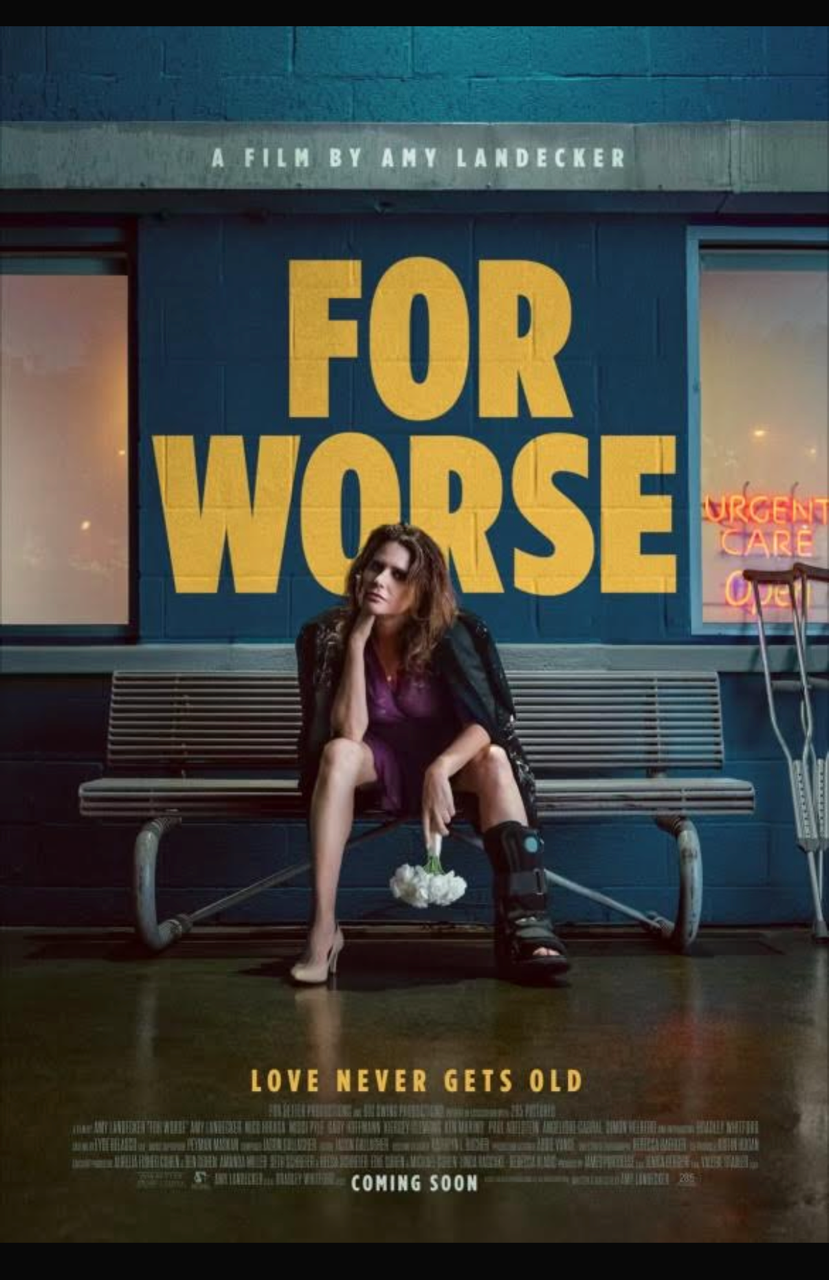 Greetings again from the darkness. Starting over in life is really a misnomer. We like the phrase ‘new beginning’, but in fact, it’s just the next phase in our journey called life. Still, a significant break or traumatic event can certainly change one’s outlook and that’s what Amy Landecker (“Your Honor”) examines here with her feature film directorial debut. In addition to directing, Ms. Landecker also wrote the script, produced the film, and has the lead role.
 Greetings again from the darkness. I became a Universal Monsters fan as soon as I reached the age where my parents would let me stay up to watch the later horror movies on Fridays and Saturdays. That love for the films and the stories and the monsters has only grown over the years, so you can only imagine the excitement I held for this film … especially on the heels of last year’s impressive FRANKENSTEIN from visionary Guillermo Del Toro. When my movie hopes and expectations reach this level, disappointment often follows; however, not this time!
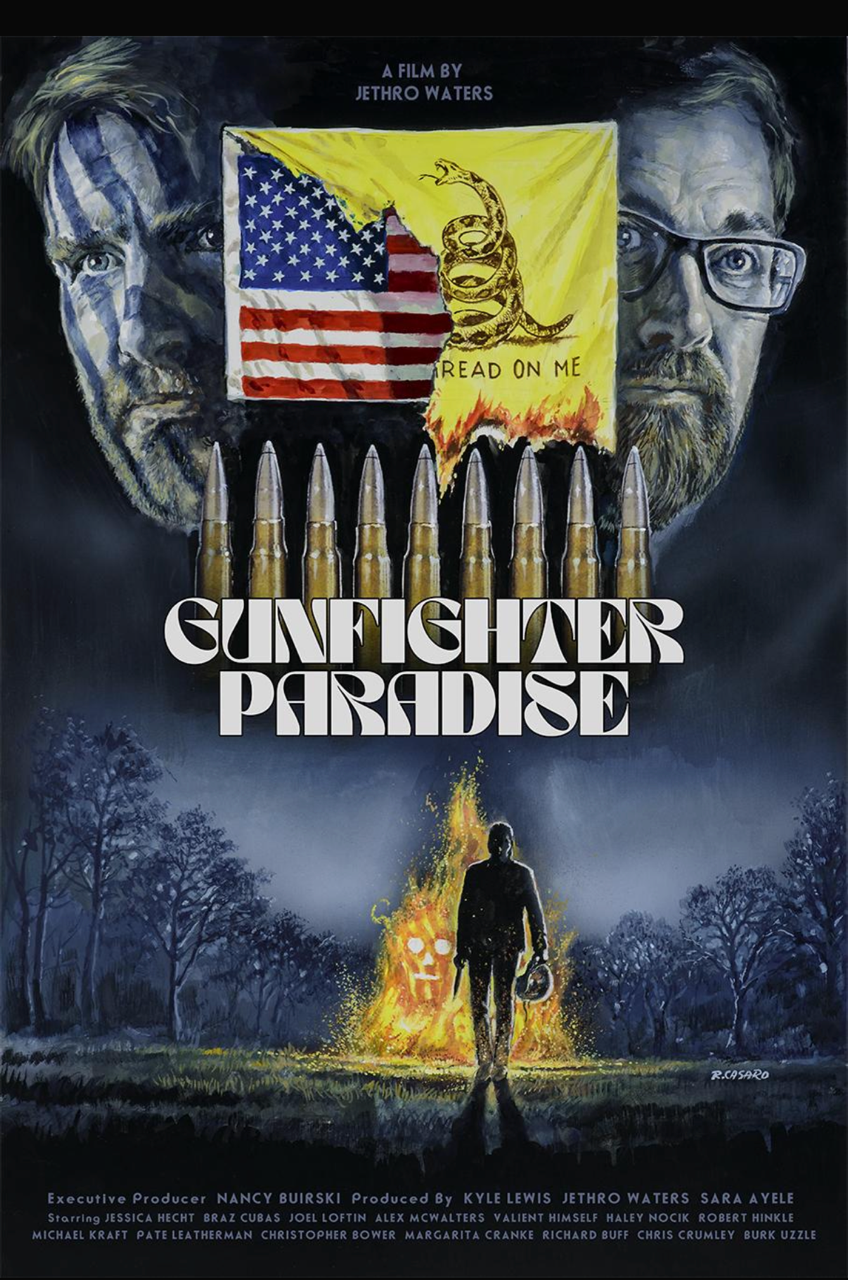 Greetings again from the darkness. Writer-director Jethro Waters’ previous work includes a documentary, some short films, and music videos. He describes his first narrative feature film as a semi-autobiographical dark comedy … yet after watching, that description seems a bit oversimplified (not that I have come up a better label). Visuals are key to his presentation, while traditional story structure is not. It will mess with your mind a bit.
 Greetings again from the darkness. SUNDOWN (2021) was an underrated film from writer-director Michael Franco who, this time out, attempts to tackle a few more complex issues involving immigration, class, and cultural differences. The result is a mixed bag that, without the presence of Oscar winner Jessica Chastain, likely would have fit right in to the old ‘Showtime After Dark’ series.
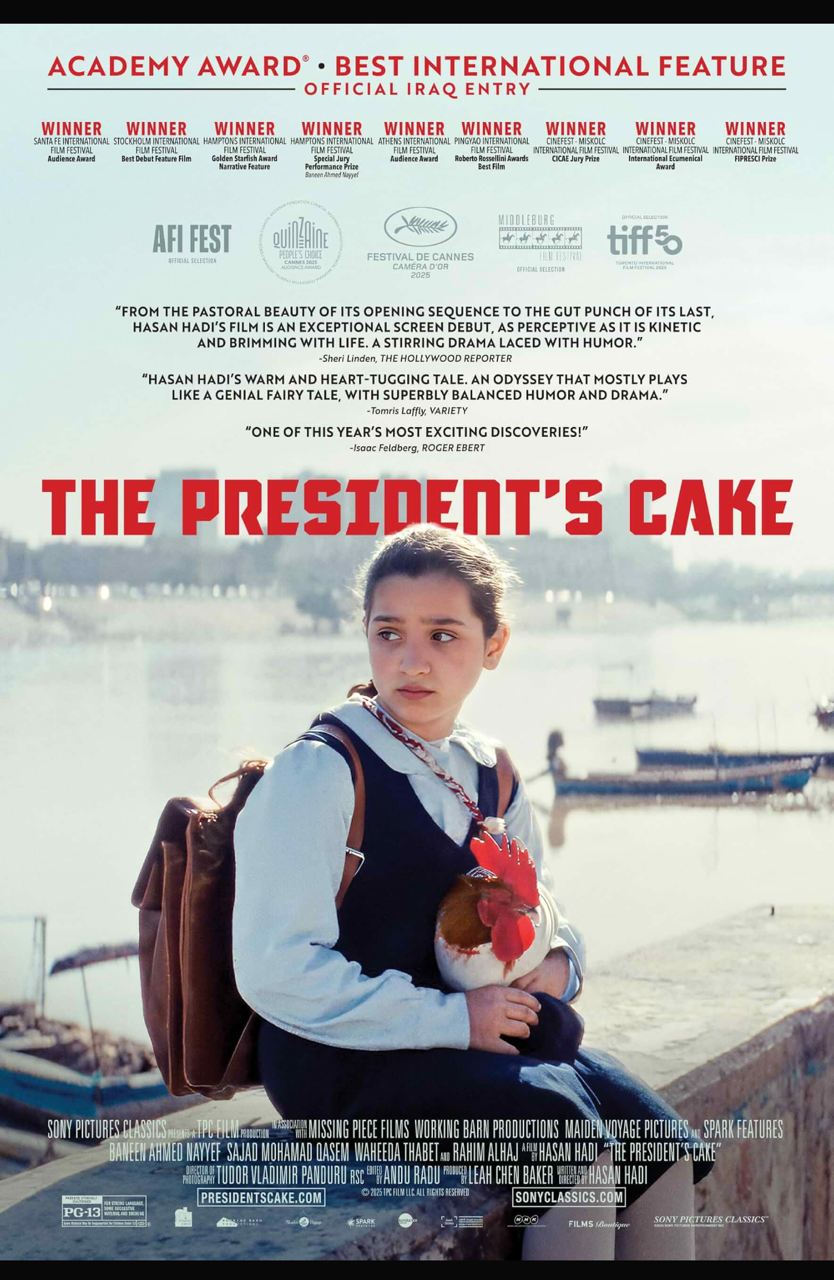 Greetings again from the darkness. We don’t see a lot of films from Iraq, but if this one from writer-director Hasan Hadi is any indication, the industry there is in fine form with storytelling. While not preachy or heavily politicized, the movie does offer some insight into authoritarianism in the 1990’s under dictator Saddam Hussein. Some would argue that the situation from thirty years ago acts as a modern-day cautionary tale.
 Movie Reviews from the Dark