 Greetings again from the darkness. It’s pretty obvious these times are quite tumultuous when it comes to political views, as well as social and religious beliefs. Of course, differences of opinions have always existed, however the focus by media attention has created new types of monsters … the vocal types who yell into microphones and cameras about how anyone who disagrees with their extreme view is a danger. Most of us understand that the real danger lurks in the things that get decided ‘quietly’ … legislation that impacts people just trying to live their lives and do their jobs.
Documentarian Julia Bacha presents an extraordinary look at this exact topic … legislation that restricts civil liberties guaranteed by the Constitution. We are informed that 33 states passed some form of legislation outlawing the boycotting of Israel, and punishing individuals and companies that don’t abide. Three specific cases are presented: a newspaper editor in Arkansas, a speech pathologist in Texas, and a lawyer in Arizona. Through this, we learn a great deal about how legislation affects those with viewpoints outside the accepted norm.
Bahia Amawi is a speech pathologist and mother of five in Austin Texas. She is also Palestinian. She refused to sign a document promising to never boycott Israel, and was subsequently fired from her position. Alan Leveritt is the founder and publisher of “Arkansas Times”, a free community paper that survives on advertising revenue. He refused to sign a document promising to never boycott Israel, and his advertising revenue from state colleges and organizations immediately stopped. Mikkel Jordahl was part of a state-sponsored program in Sedona, Arizona offering legal representation for inmates. He refused to sign a document promising to never boycott Israel, and he was fired. Jordahl began offering free counsel while his case made its way through the courts.
Brian Hauss, an ACLU lawyer labels this as a First Amendment issue, and explains that boycotts (whether politically motivated or even something as foolish as a fan boycotting a sport or team) have long been a crucial part of this country’s freedom, and a legal way to debate controversial issues. The 1955 Montgomery bus boycott lasted more than one year, and was a protest against racially segregated seating. This consumer-led boycott resulted in change for fairness and equity.
The difference here is that the legislation is politically driven to support Israel, a United States ally, in its occupation of Palestine. This tangled web brings antisemitism and political favoritism into the same argument. The BDS movement (Boycott, Divestment, and Sanctions) is a Palestinian movement with the intent to pressure Israel regarding its Palestinian occupation. The support of Israel may make sense for the federal government, but for a Palestinian mother living in the U.S. to lose her job because she won’t give up her right to boycott the Israeli presence seems to make little sense.
Ms. Bacha’s documentary is so effective because three smart people are able to clearly vocalize how this legislation requires them to carry an unfair burden. Watching Arkansas state senator Bart Hester explain his stance is painful and ludicrous, and offers little support for our trusting of politicians to understand issues prior to voting. This is certainly not a Republican versus Democrat issue, and it’s a solid reminder of Americans’ right to debate and disagree. Most of us agree that antisemitism is despicable, but freedoms are the fiber of the country. The use of music here is often annoying, but a tremendous amount of information is packed into these 70 minutes. It’s quite an education.
Premiering March 1, 2023 on AppleTV and Prime Video


 Posted by David Ferguson
 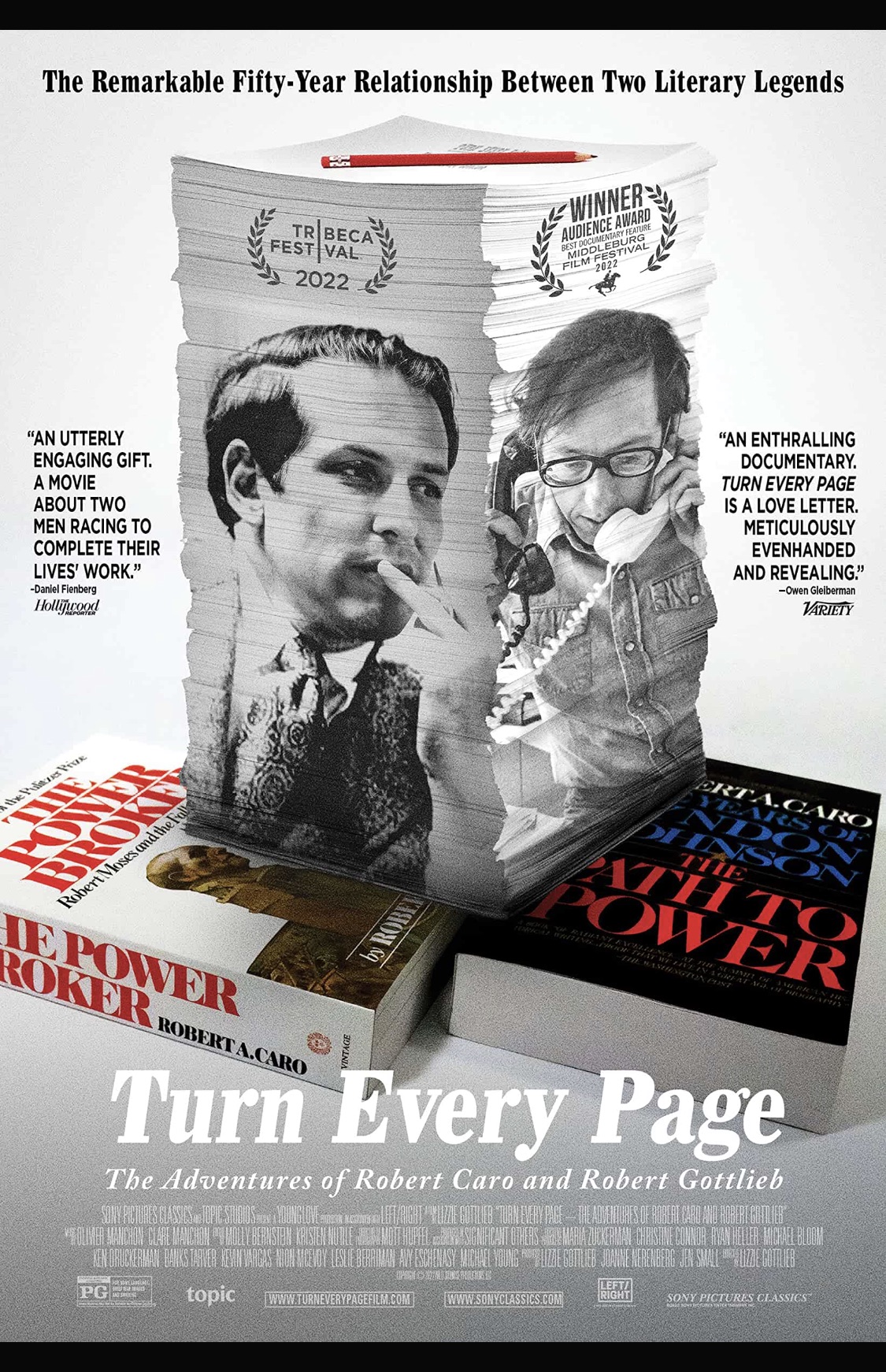 Greetings again from the darkness. Writing well is difficult. Very few are really good at, even though many of us try. Editing well is difficult. Very few of us put much effort into it and it shows. Documentarian Lizzy Gottlieb uses her inside track to provide a fascinating look at the relationship between writing and editing at the highest level. Her father, Robert Gottlieb, is one of the most renowned literary editors of the past 50 years, and his relationship with Pulitzer Prize winning investigative journalist-turned-biographer/author, Robert Caro, goes under the microscope. The result is an insightful peek behind the curtain of their process.
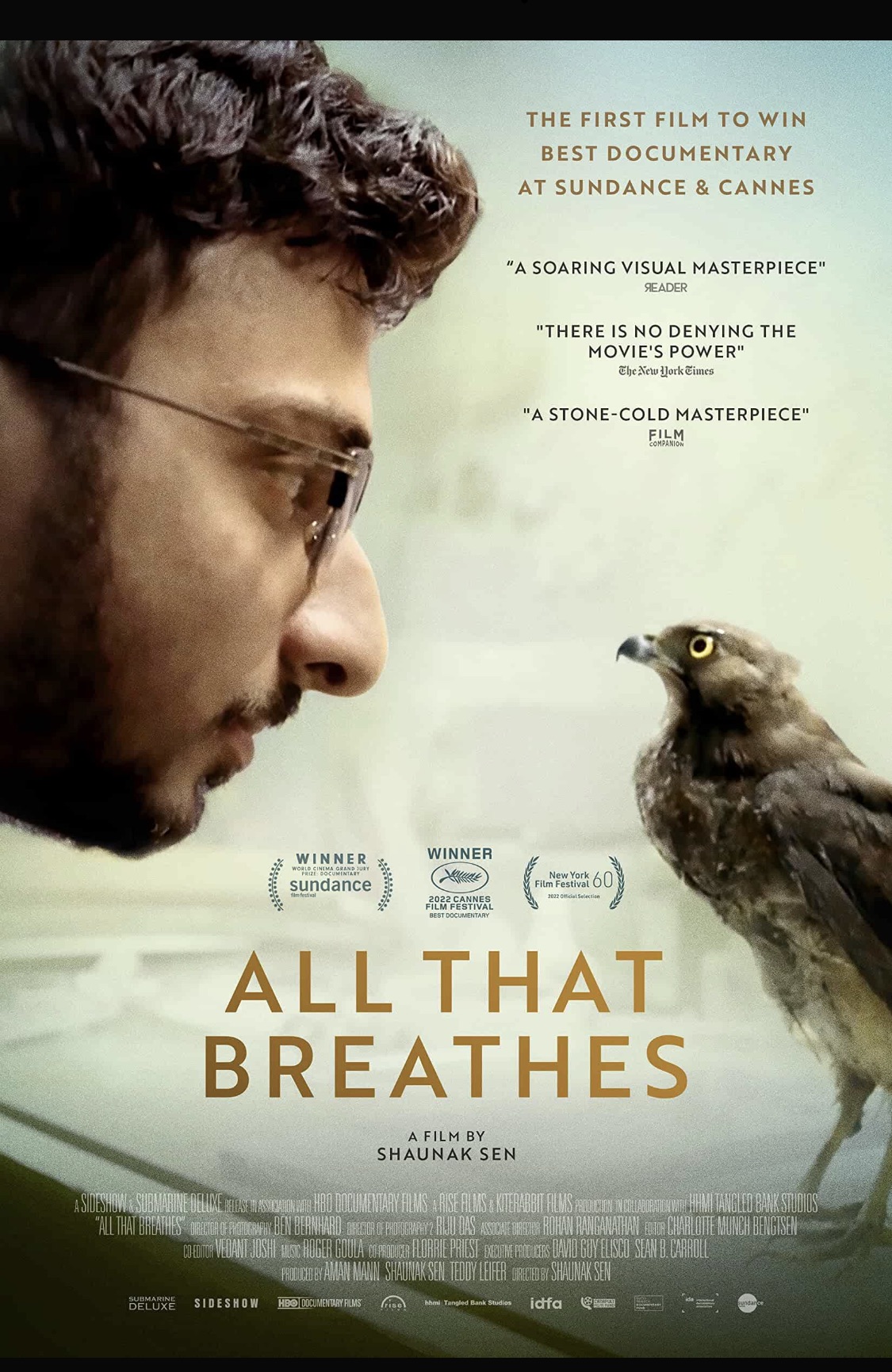 Greetings again from the darkness. The expert photography and artistic approach taken by Shaunak Sen in his documentary is quite something to behold, even as the message may be a bit heavy-handed. His opening shot perfectly captures all of this, as a sea of rats scrounges for food through the trash while the headlights of an approaching car drive home the point that it’s the humans who have thrown things out of balance.
 Greetings again from the darkness. “Check out the brain on Brad!” There may or may not have been a ‘Brad’ on the NASA team we follow in Ryan White’s documentary, however Samuel L Jackson’s famous line from PULP FICTION certainly holds true for the rest of the team that helped execute the Mars Exploration Rover (MER) mission. A brief overview outlines the attempts to gain approval, followed by the design and planning and testing to ensure the window for launch was met. See, the launch was scheduled according to a planetary alignment that only occurs every 26 months. A late arrival would have been costly, and possibly ended the program before it really started.
 Greetings again from the darkness. It’s likely that the vast majority of folks ten years of age and older have heard, and are familiar with, Louis Armstrong’s “What a Wonderful World”, “Hello Dolly”, and “When the Saints Go Marching In”. In director Sacha Jenkins’ homage to this icon of American music, Wynton Marsalis states Armstrong deserves even more credit for his influence in jazz. The film offers an in-depth look at Armstrong’s life through his own personal archives – a library of audio tapes and years of meticulous scrapbooking.
 Greetings again from the darkness. Sarah Jones is a Tony winning actress and comedian, and one thing is obvious after watching her first film – she is a sensitive and intelligent person. Co-written with David Goldblum, this partially scripted docu-com is described on screen as an “Unorthodoc”. This is an odd film with seemingly conflicting objectives: documenting the process of adapting Ms. Jones’ stage presentation to the big screen or acknowledging the backlash to this by following her on a philosophical journey of self-discovery.
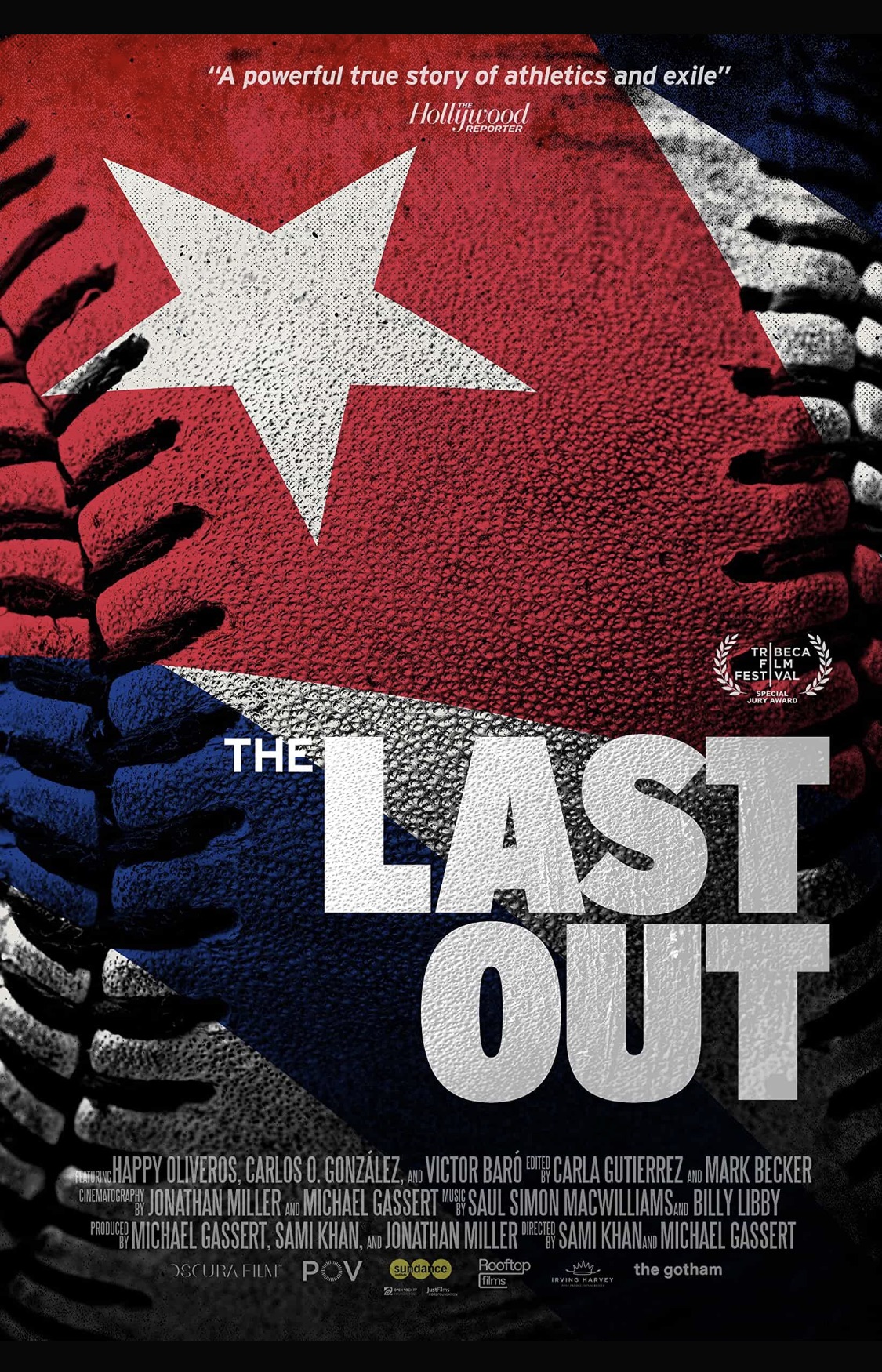 Greetings again from the darkness. Most kids raised in the United States are encouraged to pursue “the American Dream”, however they might define that. For many high school and college baseball players, that means training with an eye towards the major league draft held each year. Co-directors Sami Khan and Michael Gassert explore the fascinating difference for young baseball players in Cuba. With economic sanctions in place against Cuba since 1963, those young players hoping against all odds for a shot at “the show”, must leave their family behind and train in another country.
 Greetings again from the darkness. We watched it play out on television, seemingly getting worse and more tragic and more convoluted by the day. It was painful to watch the United States evacuation of Afghanistan, and now, Jamie Roberts documents what actually happened with previously unseen archival footage supplemented with remarkably candid personal interviews.
 Greetings again from the darkness. A couple of old sayings came to mind while watching this. “The more things change, the more they stay the same.” This ties together what we see from the 1960’s with what we’ve seen very recently in the U.S. Next would be, “You made your bed, now sleep in it.” This references the manner in which our government reacted to civil unrest in the 1960s has affected our society for the past 50+ years.
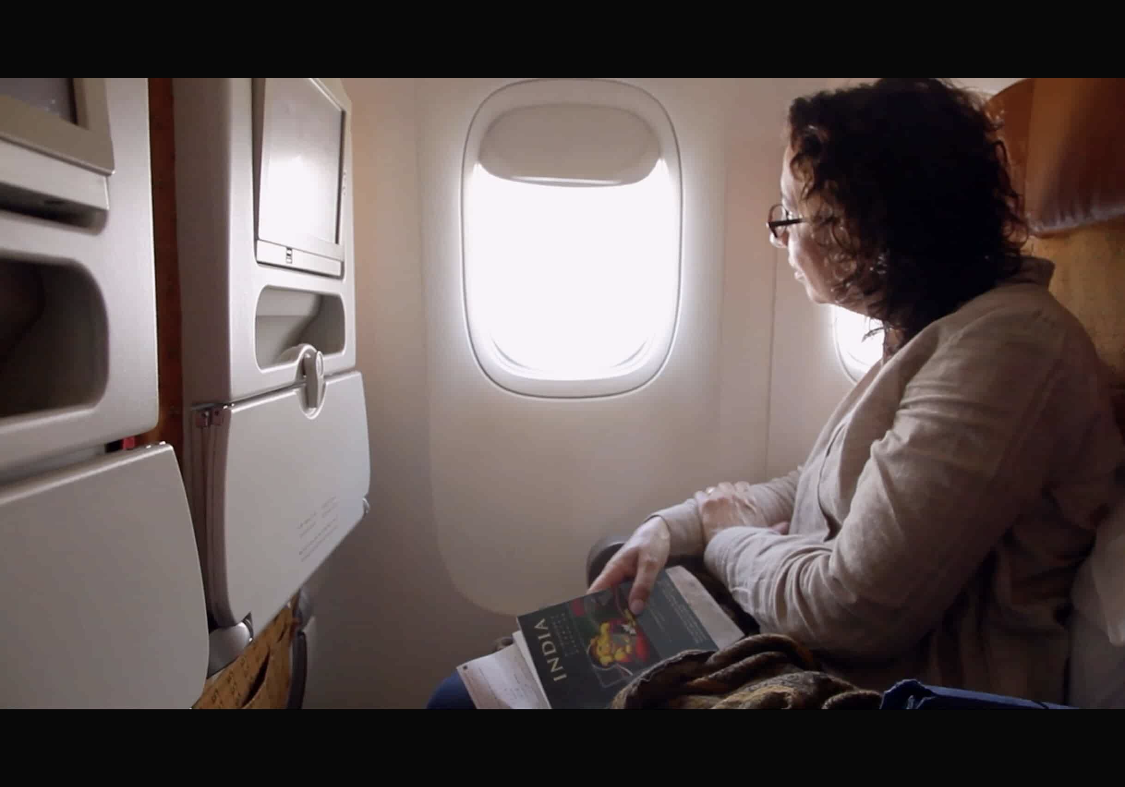 Greetings again from the darkness. We don’t often get tales in documentaries, but that’s the interesting approach documentarian Kavery Kaul takes here. Rather than reporting only the results, Ms. Kaul travels with Fatima Shaik as she pursues answers to the questions of her family’s roots.
