 Every year I boldly offer up my Oscar predictions prior to the ceremony. This seems like a good year to rant a bit about my perception of the Academy Awards. As a guy who spends an inordinate amount of time in movie theatres, and then takes that obsession even further by spending hours writing about those movies, I’ll admit that I enjoy the Academy Awards ceremony as a celebration of movies. That said, what I find absurd is the “competition” and the ridiculous designation of “Best” in any category. I view movies as an art form and while I often select my FAVORITE movies, I find judging the “best” to be as ridiculous as selecting the best sculpture or painting. Admittedly, I feel the same about Olympic sports that are decided by a panel of judges. When judging is involved, then opinions are involved. When opinions are involved, then politics and personal vendettas become involved. Whatever your feelings toward Hollywood, you probably acknowledge no shortage of opinions, politics and vendettas in that world. To think that these emotional, artistic beings can be objective when voting is naïve at best. Enough of the rant, let’s discuss the movies!
It was a huge year at the box office. Six of the nine “Best Picture” nominations have gone over $100 million at the domestic box office, and another, Zero Dark Thirty, is almost there. As a comparison, of last year’s nominations, only The Help reached $100 million domestically. Most surprising, the indie hit Beasts of the Southern Wild actually provided the best financial return of all the nominees, as its $12.5 million box office is 8 times its measly production cost of only $1.5 million (over 700% return!). Life of Pi is approaching $600 million worldwide, while Les Miserables and Django Unchained are nearing $400 million. What’s really impressive about these numbers is that none of the nominated films cracked the Top 10 Worldwide Box Office for 2012 releases. Three movies eclipsed the $1 Billion mark: The Avengers, Skyfall, The Dark Knight Rises (plus, The Hobbit: An Unexpected Journey will get there in the next couple of weeks). In all, 69 releases went over the $100 million mark in worldwide box office.
So let’s talk Oscars. There are a few “obvious” picks, but an unusually high number of categories that could go two or three different ways. There will be surprises and it’s a very challenging year for predictions; but that doesn’t frighten me … especially since I have nothing at stake. Some specifics of the Oscar politics this year include the scandals revolving around the three historical dramas: Lincoln, Argo, and Zero Dark Thirty. Somehow the dramatic license taken by Lincoln and Zero Dark Thirty has created a storm of controversy for those films, while the Hollywood-created climax to Argo has it being adopted like a wet puppy. Similarly, a “Saturday Night Live” gag by Jennifer Lawrence escalated into a “she hates Jessica Chastain” campaign by the media. And in a bizarre twist, a stoic face amidst Golden Globes laughter has caused Tommy Lee Jones to be labeled as the guy who just doesn’t care enough. And none of those match the outrage voiced by critics when Ben Affleck and Kathryn Bigelow did not receive Best Director nominations. Movie Critics are not known for their math skills. Nine Best Picture nominations and five Best Director nominations equates to four Directors who aren’t nominated despite their films being named. The “I guess the movie directed itself” argument is lame and misplaced. Still, there is a good chance that Argo wins Best Picture in a year when its director was not nominated. That’s only happened 3 previous times.
 This year’s Oscar event is being hosted by the very talented and somewhat strange Seth MacFarlane. If you don’t know the name, he is the creative genius behind such money-makers as “Family Guy” and Ted. He has voiced an incredible number of characters including Peter, Brian and Stewie from “Family Guy” and Ted from Ted, and is even nominated for an Oscar for co-writing a song from Ted. MacFarlane’s humor can run to the crude and rude, but he is also a classically trained singer, so expect a song to go with his many voices. The program will also feature the first Academy Awards performance from Barbra Streisand in many years, but what’s much more exciting than all that is that the show will feature a 50th Anniversary James Bond tribute. All of the actors who have portrayed 007 have been invited (expect some no-shows), and as a special bonus the great Shirley Bassey is set to perform. She belted out my favorite all-time Bond theme with Goldfinger, as well as Diamonds are Forever and Moonraker.
As is my tradition, you will find both my PREDICTION and my PREFERENCE for each of the 24 categories.
BEST PICTURE
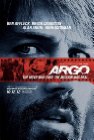
 Prediction: ARGO. Ben Affleck’s true life drama has swept the Guild’s: Producer, Director, Writer, and Screen Actor. Lincoln and Silver Linings Playbook would be the only possible surprise winners, but anything other than Argo would actually be a shock!
Preference: Lincoln. It leads all films with twelve nominations, but its best chances are in Best Actor and Best Supporting categories. On the bright side, the DVD is being shipped to every middle school and high school in the United States.
BEST DIRECTOR
 Prediction: ANG LEE (Life of Pi). With Argo a likely winner and its director (Ben Affleck) not nominated, this category is wide open. Expect the beloved Ang Lee to edge out Steven Spielberg (Lincoln) and David O Russell (Silver Linings Playbook)
Preference: Ang Lee (Life of Pi) While Lincoln was my favorite movie of the year, Ang Lee directed the one movie that was based on an “unfilmable” book … and did so with breath-taking flair.
ACTOR IN A LEADING ROLE
 Prediction: DANIEL DAY-LEWIS. The one absolute this evening. DDL will become the first ever three time Oscar winner for Best Actor. Katherine Hepburn was a four time winner for Best Actress, but no man has won three times. His performance was transcendent.
Preference: Daniel Day-Lewis. I will say that Joaquin Phoenix was terrific in The Master and it’s wonderful that Bradley Cooper became a “real” actor in Silver Linings Playbook.
ACTRESS IN A LEADING ROLE
 Prediction: JENNIFER LAWRENCE. This is a three way race that includes Emmanuelle Riva (Amour) and Jessica Chastain (Zero Dark Thirty). If the SNL gig didn’t cost Ms. Lawrence too many votes or Ms. Riva doesn’t capture too many “last chance” votes, the most exciting young actress working today will win her first Oscar. If Ms. Riva wins, she will be the oldest ever Oscar winner, and if Quvenzhane Wallis (Beasts of the Southern Wild) wins, she will be the youngest ever Oscar winner … though she would never win if Oscar voters had to correctly spell her first name without looking.
Preference: Jennifer Lawrence. I thoroughly enjoyed all five performances in this category, and in many other years, Naomi Watts (The Impossible) would have been the frontrunner.
ACTOR IN A SUPPORTING ROLE
 Prediction: ROBERT DENIRO. The frontrunner since the nominations were announced has been Tommy Lee Jones, so this is a risky prediction. All five nominees have previously won an Oscar, but incredibly, it’s been 32 years since DeNiro last won. What a talented group!
Preference: Robert DeNiro or Christoph Waltz. It was thrilling to see DeNiro engaged again, and those who claim Waltz simply reprised his Inglourious Basterds character really missed out, though the argument could be made that Samuel L Jackson was the key support role for Django Unchained.
ACTRESS IN A SUPPORTING ROLE
 Prediction: ANNE HATHAWAY. Aside from Best Actor, this is probably the next sure thing. It’s remarkable to think she may win based on one scene and one song and one haircut. Some have Sally Field in an upset here (hope not!), and Amy Adams and Jacki Weaver are two of my favorite actresses. Unfortunately, neither of their nominated roles really pushed them.
Preference: Anne Hathaway. The song was outstanding, even though her couple of other scenes were very distracting for me. Still, her song is more impressive than Sally Field’s 25 pound weight gain.
ANIMATED FEATURE FILM
 Prediction: BRAVE. It’s a two film race between Brave and Wreck-it Ralph, and the demographic breakdown of the Academy leads me to believe the “safe” pick will win over the more impressive one, but this could go either way.
Preference: Frankenweenie. While this has been Tim Burton’s pet project for two decades, I have an emotional attachment to it as well. It’s a shame more people didn’t give it a chance. It’s a beautiful film with terrific characters.
DOCUMENTARY FEATURE
 Prediction: SEARCHING FOR SUGARMAN. A wonderful feel-good story of re-discovery and second chances that did very well at the box office and with its soundtrack. The movie has a surreal feel to it, and face it, we need upbeat stories coming out of Detroit these days. The Gatekeepers or How to Survive a Plague could sneak in, but it’s doubtful.
Preference: Searching for Sugarman.
MUSIC (ORIGINAL SCORE)
Prediction: Mychael Danna (Life of Pi). Alexandre Desplat (Argo) and John Williams (Lincoln) could easily win, but much of Life of Pi depended on the score, while the others were more complimentary and traditional.
Preference: Mychael Danna (Life of Pi). It was nice to see Thomas Newman nominated for Skyfall because the score was crucial for that film as well.
MUSIC (ORIGINAL SONG)
 Prediction: SKYFALL by Adele Adkins and Paul Epworth. One of the best ever Bond themes and probably becomes the first to win. The original Les Miserables song was lame and I’d venture a guess that you don’t remember the other 3 nominations.
Preference: Skyfall by Adele Adkins and Paul Epworth. Mostly I want this to win so that my son will have it stuck in his head for a few more days. Plus the first Bond song win as the Academy celebrates 50 years of Bond is just perfect.
CINEMATOGRAPHY
 Prediction: Claudio Miranda (Life of Pi). Contrary to popular belief, this is not just a special effects movie. Mr. Miranda helped created a beautiful and visually seductive film. His competition is probably the great Roger Deakins (Skyfall) who inexplicably is 0 for 9 in Oscar nominations. It’s doubtful that the Academy would vote two Oscars for a Bond movie, but Deakins deserves recognition.
Preference: Claudio Miranda (Life of Pi). Mr. Miranda earned it for the movie, but Deakins deserves it for his body of work.
PRODUCTION DESIGN (formerly Art Design)
Prediction: David Gropman and Anna Pinnock (Life of Pi). This movie is a technical marvel, and Lincoln also had some fantastic attention to detail.
Preference: David Gropman and Anna Pinnock (Life of Pi). They have earned it, but a Lincoln win would not be disappointing … which I can’t say about Les Miserables, Anna Karenina, or The Hobbit: An Unexpected Journey
COSTUME DESIGN
Prediction: Seamus McGarvey (Anna Karenina). Costume dramas are historically Academy favorites in this category, though Lincoln and Les Miserables could both be factors.
Preference: anything but Mirror Mirror. I have nightmares that Julia Roberts might make an appearance onstage if this one wins. (Yeah, I know … my dreams aren’t what they used to be)
FILM EDITING
 Prediction: William Goldenberg (Argo) in a close one over Dylan Tichenor and William Goldenberg (yes, the same one) for Zero Dark Thirty. Mr. Goldenberg is a rock star editor.
Preference: Dylan Tichenor and William Goldenberg (Zero Dark Thirty). The bin Laden fortress sequence was one of the most compelling things I’ve ever seen on screen.
DOCUMENTARY SHORT SUBJECT
Prediction: Open Heart. Only like 9 people vote in this category, so three votes wins. Yes, I’m kidding, but predicting this category is a total guess.
Preference: a quick acceptance speech
SHORT FILM (ANIMATED)
 Prediction: PAPERMAN by John Kahrs. This one has a nice behind the scenes production story but will have to take down Pixar and Disney and Maggie Simpson to win.
Preference: Head Over Heels by Timothy Reckart and Fodhia Cronin O’Reilly. Evidently I’m the only one who appreciated this one. Yep, I’m a rebel.
SHORT FILM (LIVE ACTION)
 Prediction: CURFEW by Shawn Christensen in a race against Buzkashi Boys. Another tough category because so few voters watch them all.
Preference: Death of a Shadow by Tom Van Avermaet and Ellen De Waele. This one is even darker than Curfew. There was a real shortage of upbeat live action shorts this year.
MAKEUP AND HAIRSTYLING (formerly MAKEUP)
 Prediction: Lisa Westcott and Julie Dartnell (Les Miserables). They deserve it for bravely working with Helena Bonham Carter’s hair and chopping off Anne Hathaway’s long locks. Hitchcock and The Hobbit: An Unexpected Journey leaned heavily (that’s not a fat joke) on appliances and prosthetics, while Les Mis created a distinct feel through traditional hair and make-up.
Preference: Lisa Westcott and Julie Dartnell (Les Miserables).
SOUND EDITING
Prediction: Eugene Gearty and Philip Stockton (Life of Pi) should eke out a win over five outstanding nominated films.
Preference: Eugene Gearty and Philip Stockton (Life of Pi).
SOUND MIXING
Prediction: Andy Nelson, Mark Peterson, Simon Hayes (Les Miserables). How many other films featured live singing on set for the entire movie? Half a movie? A single scene? That’s right … none. Whether you enjoyed Russell Crowe’s singing or not, “live” singing for a quality movie is very impressive.
Preference: Andy Nelson, Mark Peterson, Simon Hayes (Les Miserables).
VISUAL EFFECTS
Prediction: LIFE OF PI. Should be a slam dunk. This is the most visually impressive film in quite some time. Plus, I don’t even like 3D and yet the 3D effects left me in awe.
Preference: Life of Pi.
WRITING (ORIGINAL SCREENPLAY)
 Prediction: Mark Boal (Zero Dark Thirty). This one qualified as original because of the independent research conducted by Mr. Boal. Much of the film has Jessica Chastain sitting at a desk and yet the tension is palpable. That’s quality writing. And the two key tension-filled action sequences will have you squirming in your seat.
Preference: Quentin Tarantino (Django Unchained). This is not my preference just because I love watching Tarantino speak in public, but this along with Wes Anderson’s Moonrise Kingdom were the most unique fiction seen on the silver screen this year.
WRITING (ADAPTED SCREENPLAY)
Prediction: Chris Terrio (Argo). If it wins this award, the Best Picture Oscar is in the bag. If David O Russell (Silver Linings Playbook) pulls an upset, then Best Picture is up for grabs.
Preference: David Magee (Life of Pi). This book was deemed unfilmable for years, yet Magee drafted a script that allowed Ang Lee to bring the story to life. That’s a monumental achievement.
FOREIGN LANGUAGE FILM
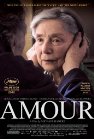
 Prediction: AMOUR (Austria) in a narrow win over Kon-Tiki (Norway). Amour is also nominated for Best Picture, which is an unusual occurrence for a foreign film.
Preference: Amour (Austria). It’s a very tough movie to watch and even tougher to recommend, but director Michael Haneke delivers a stunning look at slow death. Doesn’t that make you want to rush out to see it?
*NOTE: I certainly don’t expect Life of Pi to win as many Oscars as I have predicted; however, I have based my predictions on the individual categories and not the total number of wins. In other words, I expect to be wrong, I’m just not sure in which categories.
If you would care to see my Best of 2012 list (yes, I realizeit’s hypocritical for me to use “Best”, but old habits are hard to break), here is the link: best of 2012
As always, I welcome your thoughts, comments and predictions!





 Posted by David Ferguson


















 Movie Reviews from the Dark