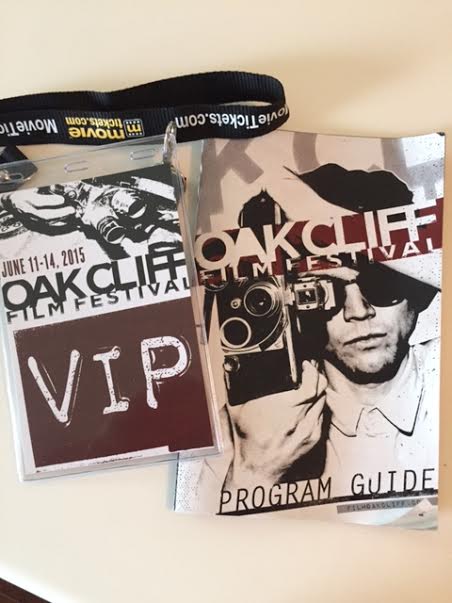
 And they said it wouldn’t last. OK, I don’t think anyone actually said that about The Oak Cliff Film Festival, and we are quite thrilled to report that this fourth year may be the best yet.
One of the (many) things that make this festival unique is the new “theme” each year brings. The 2015 OCFF celebrated the “No Wave Movement” of the late 1970’s/early 1980’s … the perfect tie-in to today’s independent filmmakers who find a way to create their films in spite of Hollywood’s “Blockbusters rule” philosophy. Short films, digital handheld cameras, and now even iPhones are acceptable formats and valuable tools for realizing a filmmaker’s vision.
It’s probably more accurate to describe this as a Film and Party Festival, as the organizers take as much pride in their party-throwing acumen as they do in their film programming … and for good reason. The festival featured no fewer than 8 parties and events – everything from a live performance by The Sonics to a group bike ride through the city. Panels and workshops were held for filmmakers and those who hope to be, and an actual film was produced during the weekend. These events turn the festival into a participatory event for those who wish to fully engage.
As for movie watching, I caught 8 features and a couple blocks of shorts. The festival’s programming featured 9 narrative features, 4 feature length documentaries, 4 repertory films (homage to the theme), and 36 short films (student, narrative, documentary). Unfortunately, my schedule forced me to miss the festival closing film, but I can report that my favorite narrative film of the festival was Tangerine, a film director Sean Baker shot entirely on iPhones on the streets of Hollywood and Los Angeles. My favorite documentary was Made in Japan, the story of Tomi Fujiyama (the first female Japanese Country and Western musician to perform on The Grand Ole Opry). A couple of actresses stood out: Mickey O’Hagan (Tangerine) and Helen Rogers (Body), and I look forward to following as their careers develop.
One last point of difference for this festival must be mentioned. The number and diversity of venues is quite something to behold. At least 9 Oak Cliff venues play a significant role in the festival. The key screening locations include the historic Texas Theatre, The Bishop Arts Center, and the Kessler Theater (normally a music venue), and each bring their own unique viewing experience. Additionally, it’s the smaller venues that really add the local flavor to the festival proceedings.
The festival is highly recommended for lovers of independent film and the creative process, while the large number and highly diverse group of event sponsors exemplify the widespread support and interest in this terrific cultural event. Year 4 is a wrap … can’t wait to see what these folks come up with for next year’s Oak Cliff Film Festival.
http://oakclifffilmfestival.com/


 Posted by David Ferguson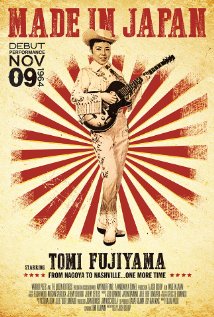
 Movie Reviews from the Dark