 Greetings again from the darkness. Filmmaker Paul Verhoeven has long made his cinematic living on the fringes: the brutality of the Middle Ages in FLESH + BLOOD (1985), the violence and thirst for power through technology in ROBOCOP (1987), the buried dark side (and other uses of ice picks) of our personality in BASIC INSTINCT (1992), more thirst for power combined with a baffling lack of sex appeal in SHOWGIRLS (1995), and the unbridled desire for revenge in ELLE (2016). This latest displays his mastery of ‘nun-on-nun’ eroticism and the duplicity of religious faith. Verhoeven’s usual goal is to provoke, and along with his co-writer David Birke, this ‘based on true events’ story (adapted from the 1986 Judith C Brown book, “Immodest Acts: The Life of a Lesbian Nun in Renaissance Italy”), is a natural fit.
Benedetta Carlini is delivered to the convent at a young age by her well-heeled parents. The girl claims to have a direct line to God, who delivers well-aimed bird droppings when called upon. OK, that’s just the first somewhat comical event in this film that seems less interested in the documented antics of the real Sister Benedetta, than in tantalizing today’s viewers with the behind closed doors sins of the flesh between she and fellow nun, Bartolomea (Daphne Patakia). Portraying Sister Benedetta, Viginie Elfira never shies away from the material, whether it’s the stigmata, bedtime play with a specially carved Virgin Mary statuette, or channeling the voice of God during outbursts claiming blasphemy.
Felicita, the abbess of the convent, is played by the always interesting Charlotte Rampling. Sister Felicita’s real talent seems unrelated to issues of God, and instead lies in matters of money. Because of this, she capitalizes on Benedetta’s visions as a form of fundraising, while turning away (except during moments of voyeurism) from her other activities and claims. Our early caution comes from Benedetta being told upon arrival that, “Your body is your worst enemy”. After more dreams and visions, and a possible miracle or two, we understand that nuns are to believe that suffering is the road to salvation and redemption … a theory that leads to one of the more humorous moments as a sword-wielding Jesus saves Benedetta from a gaggle of attacking serpents.
Is there such thing as erotic religious satire played straight? We must assume that Verhoeven has his tongue planted firmly in cheek for this one, as it goes beyond skepticism of religion and directly to the morally adrift. Whether Benedetta’s claims of visions are/were true or fake, Verhoeven is a filmmaker who takes pleasure in the pleasure of nuns, no matter how prohibited it might be. We can just never be certain whether his objective is to expose religion, or simply expose.
Available in theaters on December 3, 2021 and On Demand beginning December 21, 2021


 Posted by David Ferguson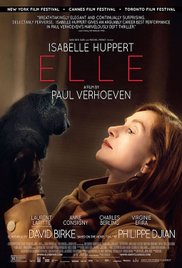
 Movie Reviews from the Dark