 Greetings again from the darkness. Skipping the many films based on and around WWII and the Holocaust is understandable. Even the uplifting stories of heroism and survival are unsettling and tough to watch. However, so many lives lost in the name of a power-hungry madman means these stories must continue to be told – as a reminder to folks how dangerous and tragic it can be to blindly follow an authoritarian. Writer-director James Vanderbilt’s (TRUTH, 2015) second time directing is based on the writing of Jack El-Hai in “The Nazi and the Psychiatrist”.
Vanderbilt opens the film by stating it’s “based on the accounts of those who lived through it and those who didn’t”. It’s May 7, 1945. Hitler and many other Nazi officers are dead from suicide. The last day of the war finds Reichsmarschall Hermann Goring (Oscar winner Russell Crowe) surrendering to Allied troops. We are immediately struck by Crowe’s ability to create an air of superiority around Goring, even as he surrenders. Goring is imprisoned at Nuremberg, and what happens next is a reminder of how crucial humanity and justice are, even in times of war and in the face of atrocious activities by others.
While many want Goring and any remaining Nazi officials immediately executed, Supreme Court Justice Robert H Jackson (Michael Shannon) believes a tribunal and public trial are crucial for the allied nations to send the message that justice matters, no matter how heinous the crimes (or the criminals). A U.S. Army psychiatrist, Dr. Douglas Kelley (Oscar winner Rami Malek) is charged with interviewing Goring to ensure he is capable of being tried in court. It turns out that Goring is more than capable and we are drawn in watching the verbal and psychological duel play out between Goring and Kelley. These scenes (Crowe and Malek) are mesmerizing, and Crowe delivers a towering performance – his best in years, and certainly worthy of Oscar consideration. Sgt Howie Triest (Leo Woodall) is present as a translator, though his place carries more weight later in the story.
Prior to the trial, another excellent scene plays out at the Vatican as (now) lead prosecutor Jackson strong arms the Catholic church into supporting the trial. Unlike Stanley Kramer’s fantastic 1961 film, JUDGMENT AT NUREMBERG, most of this one takes place outside of the courtroom. However, once it moves to trial, Jackson and co-counsel Sir David Maxwell-Ffyfe (Richard E Grant) find going toe-to-toe with Goring is every bit as challenging as Kelley had reported. Devastating concentration camp footage is shown to display the shock of those seeing it for the first time. The last bit of the story is about Kelley and his book centered on his sessions with Goring. Overall, the historical accounts have been scaled back for accessibility and brevity (despite the film’s 148-minute run), yet we never lose sight of the importance of the trials.
Opens in theaters on November 7, 2025


 Posted by David Ferguson
 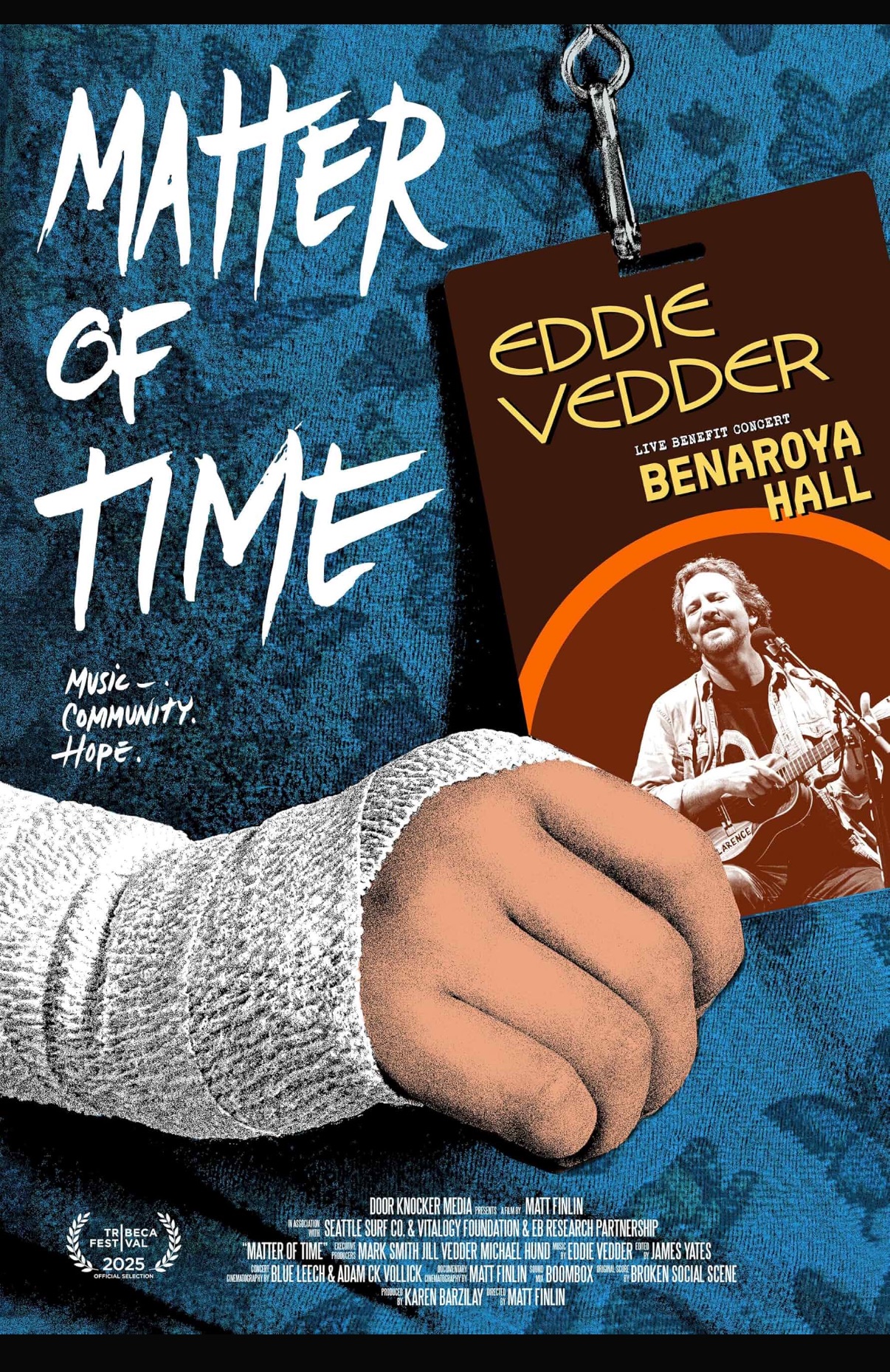 Greetings again from the darkness. Epidermolysis bullosa (EB) has been labeled as “the worst disease you’ve never heard of.” After watching this documentary from Matt Finlin, it’s safe to say EB is now one of the worst diseases I have heard of. Watching anyone suffer is torturous, and when those suffering are young and simply drew a short straw in genetics, the difficulty is even greater. The excruciating disease causes the blistering of skin and is typically visually apparent to all, requiring delicate and frequent bandaging to minimize further damage.
 Greetings again from the darkness. “How was your day?” It’s a question we have each asked and been asked thousands of times. In 1974, writer Linda Rosenkrantz thought the answer to the question would make a fascinating book … considering her plan was to talk to her New York City artist friends. She had already written her best-selling book “Talk” (1968), and her idea with this new project was to discover how people fill up their day.
 Greetings again from the darkness. Over 3000 hits. Almost 700 Home Runs (696). 3 MVP awards. A 14 time All-Star. A World Series champion. There is no debate that Alex Rodriguez was one of the greatest baseball players of all time. It’s just that every other aspect of ARod’s life is up for animated debate, and that’s what this 3-part series from co-directors Gotham Chopra (numerous sports documentaries) and Erik LeDrew attempts to explore.
 Greetings again from the darkness. Brace yourself for one of the first films to take on the societal and political changes occurring within the United States. This is an exceptionally well-made film with a stellar cast and an eye-opening cautionary message from writer-director Jan Komasa (Oscar nominated for the excellent CORPUS CHRISTI, 2019) and co-writer Lori Rosene-Gambino. It features a deep and talented cast and would make a formidable double-feature with last year’s CIVIL WAR (directed by Alex Garland).
 Greetings again from the darkness. It’s not Las Vegas. It’s not Monte Carlo. Somehow even more gamblers head to Asia, specifically the gambling capital of Macau … and that’s where this film from director Edward Berger (Oscar nominated for CONCLAVE, 2024) is set. Rowan Joffe (son of Roland Joffe, who directed THE KILLING FIELDS, 1984) has adapted the 2014 novel by Lawrence Osborne. That may be the last part of this that makes any sense.
 Greetings again from the darkness. With healthcare in the headlines most every day, this 37 minute documentary short film from co-directors Shari Cookson and Nick Doob couldn’t be more timely, nor more important. Rather than present a general overview of the crisis in rural America, the filmmakers present one specific real world case study from tiny Fairfax, Oklahoma, with a focus on the local doctor and the foundering hospital.
 Greetings again from the darkness. Are you a good person? It’s really not that difficult to determine … although it does require a bit of honest self-reflection. The debut feature film from writer-director Rachel Wolther (co-written with Jesse Millward) is clearly meant to be comical satire, and even more clearly does not include me in the target audience. It seems to me the window for putting whiny, entitled complainers in the spotlight has closed, and these folks are more sad and annoying than funny. Still, since I’m likely in the minority, I’ll strive for objectivity here.
 For many, SATURDAY NIGHT FEVER is remembered as that disco movie from the 1970’s where John Travolta danced to music by The Bee Gees. And they are correct. However, this common description is missing what made the film resonate with me and so many others. Author Margo Donohue understood the gap and her new book excels at connecting the dots for these two sides. In the process, she expertly serves up some inside scoop on the filmmaking process, the actors, and the era.
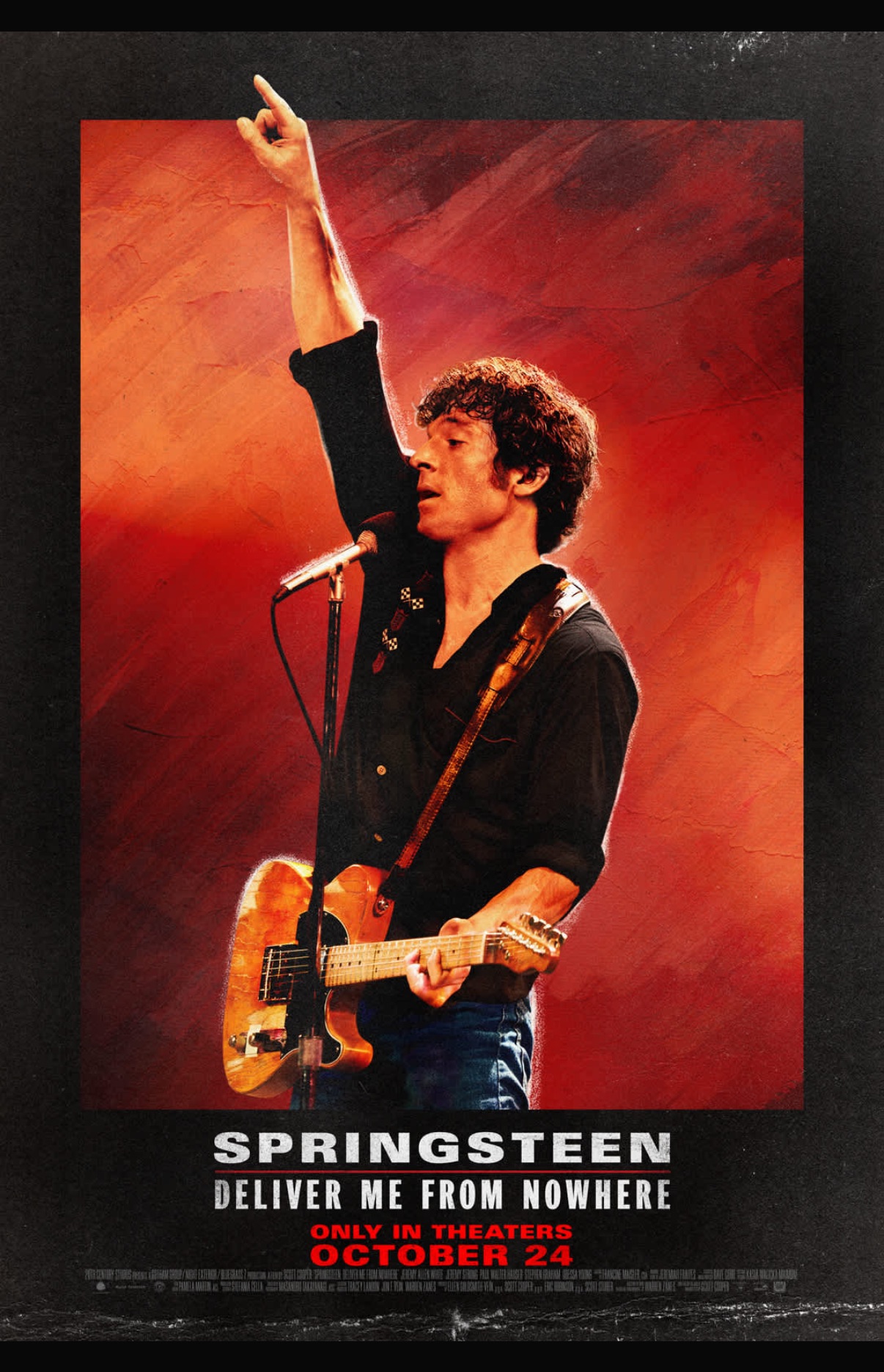 Greetings again from the darkness (on the edge of town). My connection to Bruce Springsteen’s music dates back more than 50 years and includes hitchhiking (from San Antonio) to a gig at the Armadillo World Headquarters in Austin. As much as I loved the early tunes from his first two albums, it was the 1975 release of the “Born to Run” album that spoke to me on a mystical level. His storytelling and anthems on that instant classic, as well as the next two albums, “Darkness on the Edge of Town” and “The River”, had a way of drawing us in for a pure escape. By 1981, Springsteen’s albums were huge and his live performances were legendary and exhilarating. It’s the time period just after that serves as the basis for this film from writer-director Scott Cooper, based on the 2023 book, “Deliver Me From Nowhere: The Making of Bruce Springsteen’s Nebraska” by Warren Zanes.
 Movie Reviews from the Dark