 Greetings again from the darkness. As we are unfortunately learning yet again … there are no upsides to war. There are the deaths and injuries that occur to soldiers and citizens. There is destruction of property and cityscapes. And there is the cost to those who are neither soldiers or government officials – the ‘quiet cost’ of war. Writer-director Silvio Soldini (BREAD AND TULIPS, 2000) and co-writer Doriana Leondeff have adapted the 2018 award-winning novel, “At the Wolf’s Table”, by Rosella Postorino, which itself was based on the remarkable story WWII survivor Margot Wolk told a German journalist about her time spent as a food taster for Hitler.
It’s the fall of 1943 and Rosa Sauer (Elisa Schlott) is returning to her in-laws’ farm in East Prussia from a bombed-out Berlin. Rosa’s husband, Gregor, enlisted one month after their wedding and they’ve seen each other only once in the past four years. An atmosphere of gloom hangs over the village, and one morning changes everything for Rosa. Nazi soldiers load her into a van with other German women. They are escorted to the ‘Wolf’s Lair’ in the forest … it’s the Fuhrer’s headquarters. The seven women are examined by a doctor and then escorted into a dining room where a feast awaits. Having spent months, even years, desperate for food, the chef-prepared meals create initial excitement with the women. The excitement quickly turns to dread and fear when it is revealed they are to eat every bite of the meal and then wait one hour under guard. The purpose is to make sure the food is not poisoned prior to Hitler eating.
Director Soldini fills the screen with greys and browns to match the atmosphere of despair and fear. The slow pacing lends credence to the women’s days of wondering if the next meal will be their last. Abortion, hidden identities, and an affair all play a part in what is little more than an attempt to survive for however long the war might last. The seven women form bonds, yet no one is ever relaxed or comfortable. Rosa is initially referred to as “Berliner” since she arrived from the big city. She’s told, “This isn’t Berlin.” “No one needs secretaries.” Rosa is tougher than she looks and holds her own, soon making friends with Elfriede (Alma Hasun), a woman with a secret.
Atypical for a war movie, there is little action and minimal violence. Not much time is spent getting to know the personalities of the women. Instead, it’s a different kind of survival story – one that involves psychology and self-control. Their thrice daily activities require immense mental fortitude, yet the alternative is even worse. Whether Margot Wolk’s story was completely accurate or not, matters little. It’s a story of those with power versus those with none. And that’s a theme that plays out daily even eighty-plus years later.
In U.K. and Irish theaters beginning March 13, 2026


 Posted by David Ferguson
 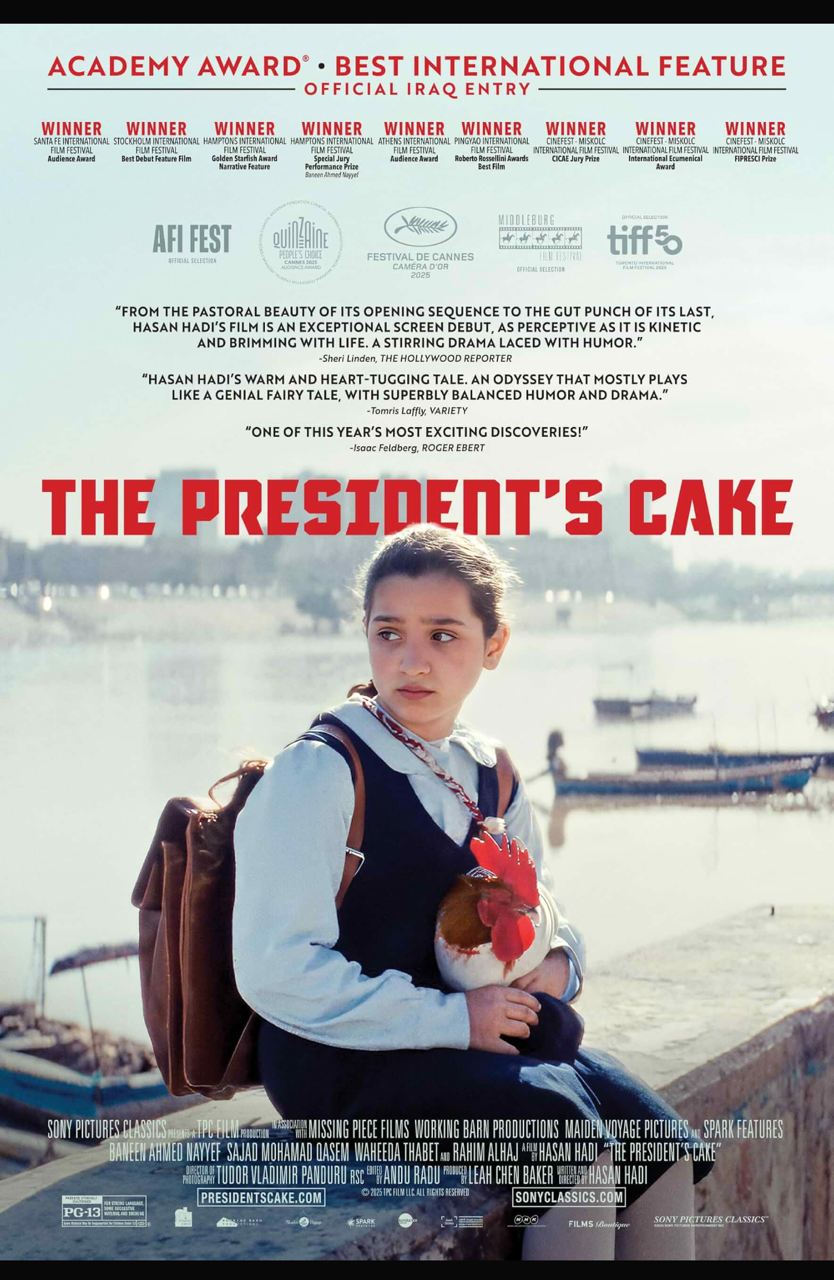 Greetings again from the darkness. We don’t see a lot of films from Iraq, but if this one from writer-director Hasan Hadi is any indication, the industry there is in fine form with storytelling. While not preachy or heavily politicized, the movie does offer some insight into authoritarianism in the 1990’s under dictator Saddam Hussein. Some would argue that the situation from thirty years ago acts as a modern-day cautionary tale.
 Greetings again from the darkness. William Shakespeare has inspired so many writers and stories over the years that he often goes unacknowledged rather than credited. Such is the case with this latest from writer/director/animator Mamoru Hosoda with character names such as Amulet, Claudius, and Gertrude. Of course, since this is Japanese anime, the story’s path varies and features unusual and colorful characters.
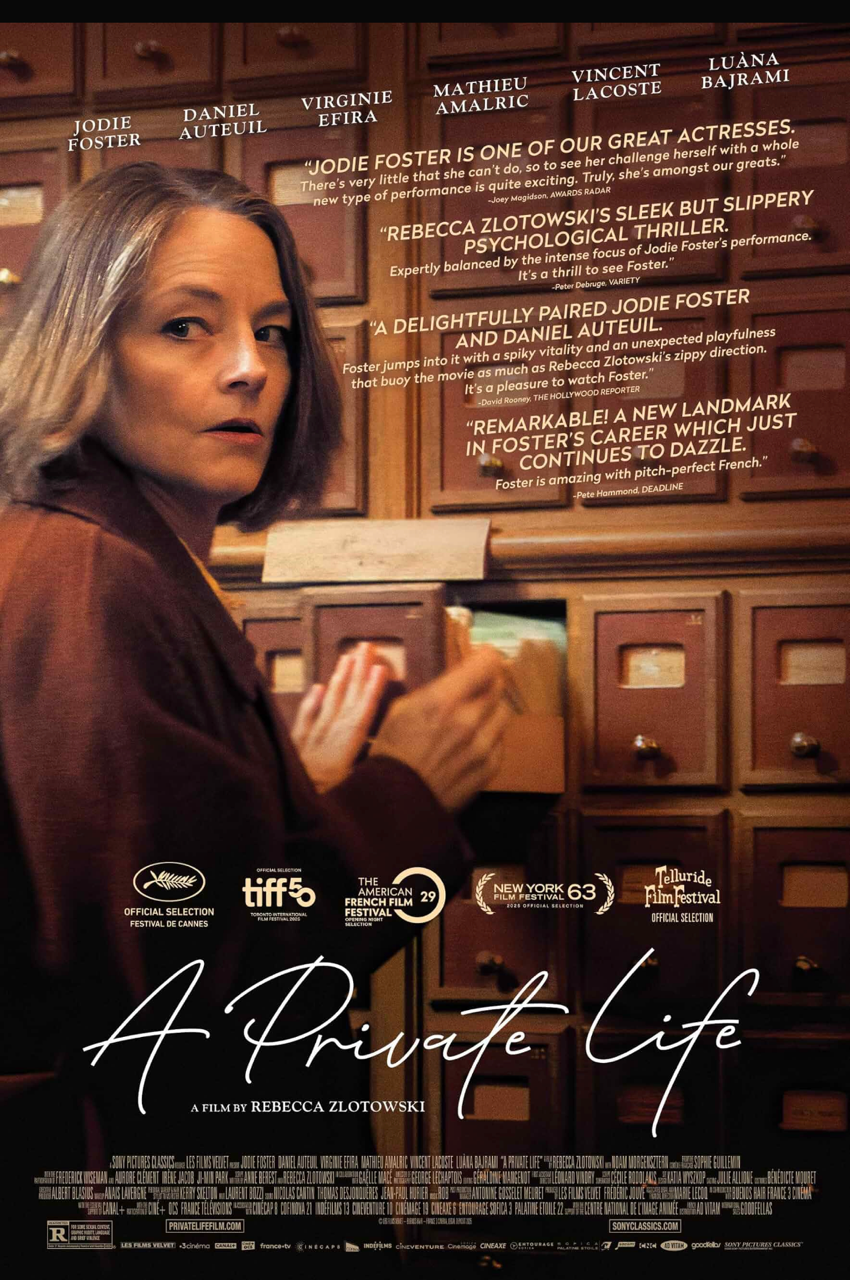 Greetings again from the darkness. The concept is interesting and relatable. A woman undertakes the solving of a mystery, and in the process, learns a great deal about herself. Writer-director Rebecca Zlotowski w-d (OTHER PEOPLE’S CHILDREN, 2022) and co-writers Anne Berest and Gaelle Mace have delivered a film that works on a couple of levels: as a whodunit and self-discovery.
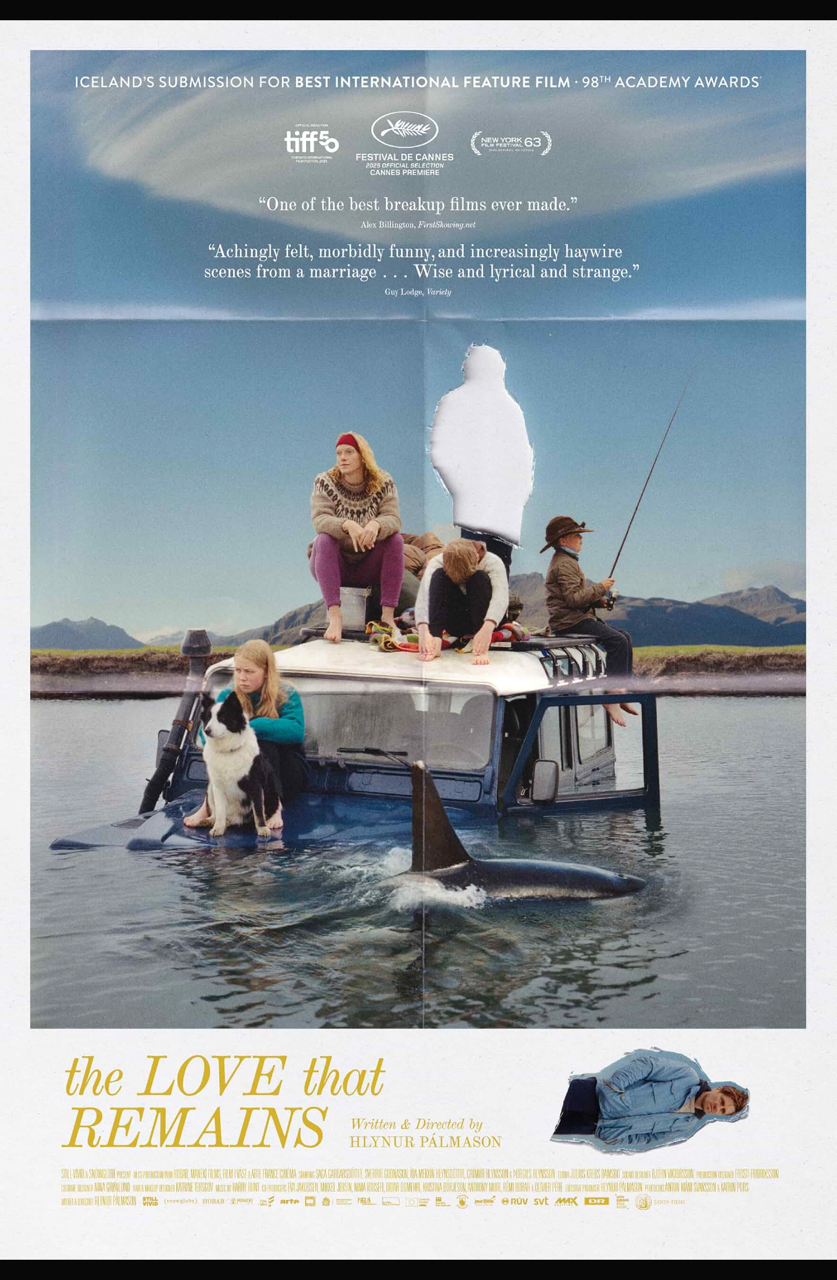 Greetings again from the darkness. If not for a few bizarre (and interesting) visual metaphors tossed in, one might mistake this film from Icelandic filmmaker Hlynur Palmason (GODLAND, 2022) as a documentary. After all, we are mostly watching one family’s life over the course of a year. There are no car chases or criminal masterminds – just a few people living their lives.
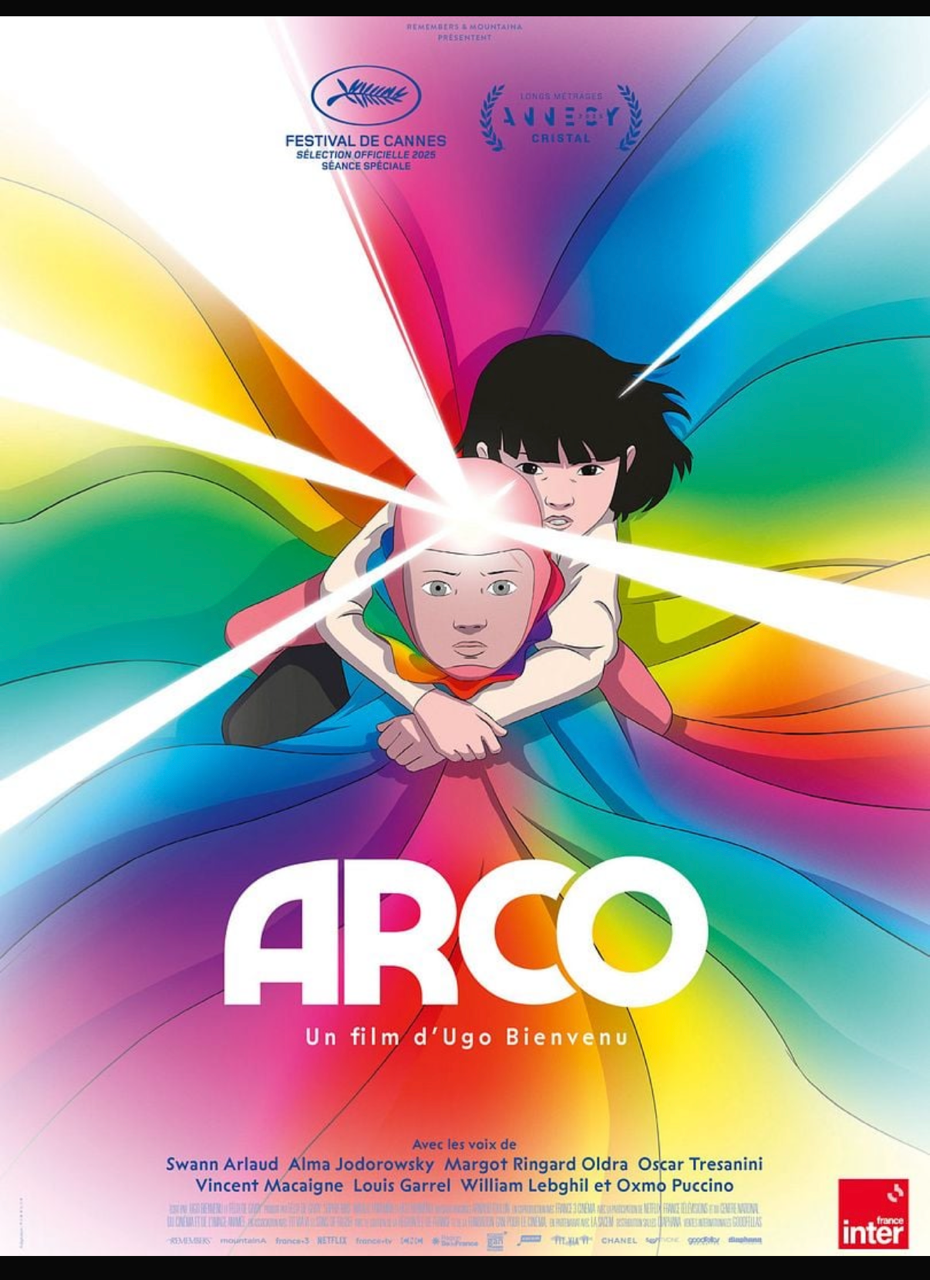 Greetings again from the darkness. ‘Arco, phone home’. OK, that’s not actually a line of dialogue in this Oscar nominated animated feature film from w-d Ugo Bienvenu, co-director Gilles Cazaux, and co-writer and Felix de Givry … but the line sure fits. Taking place in the future, the film’s strong themes are family, friends, and coming-of-age.
 Greetings again from the darkness. The Sundance Film Festival does a terrific job each year of selecting captivating short films. One of the films in the lineup of this year’s shorts program on January 24, 2026 is from Swedish filmmaker Lovisa Siren, and it’s a gem.
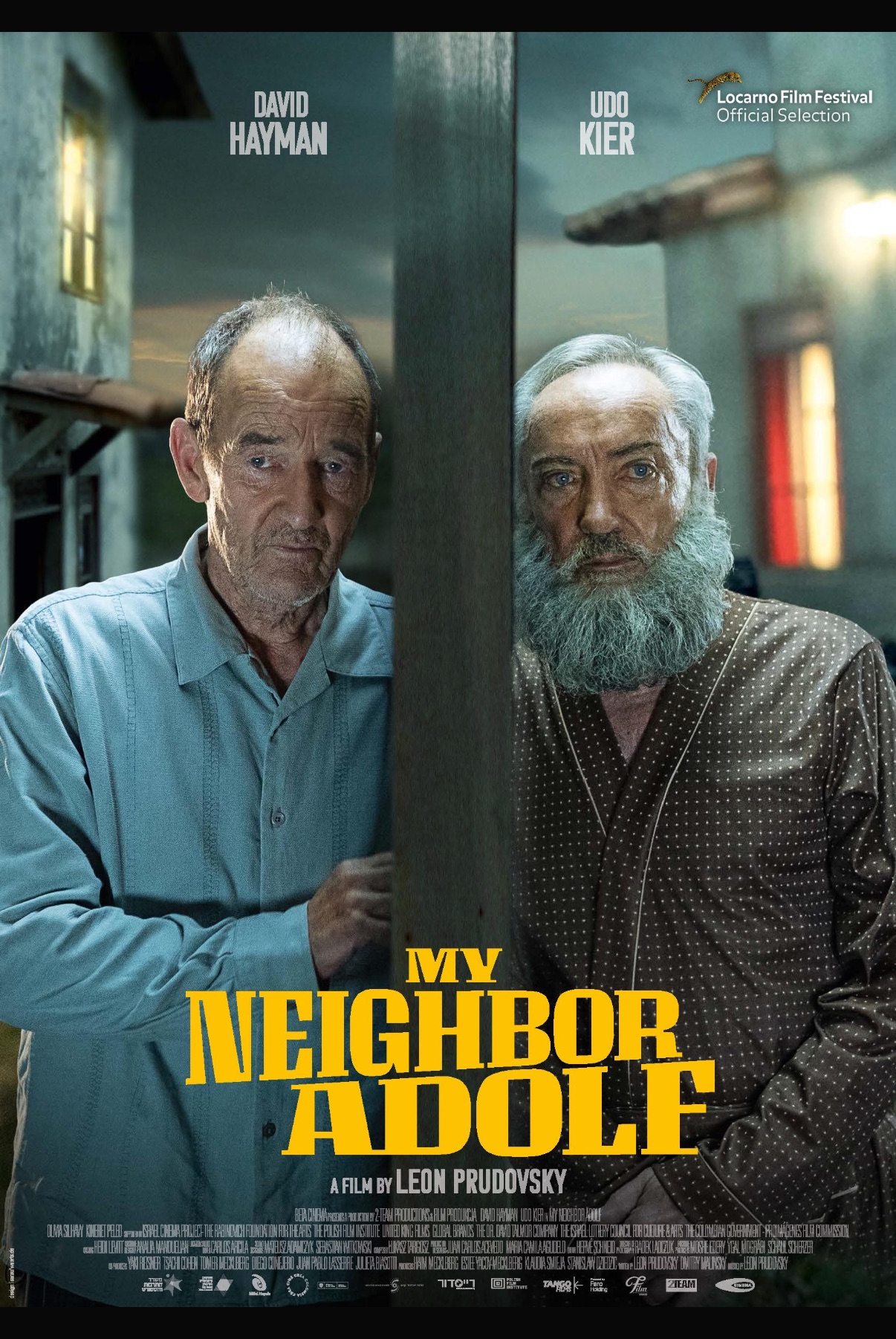 Greetings again from the darkness. We can pick our friends, but not our family or neighbors. However, we can (and do) speculate on and judge our neighbors – and that’s what occurs in this smart little film from writer-director Leon Prudovsky and co-writer Dmitri Malinsky. The premise of the film may initially seem absurd to some, but the final version is touching and quite entertaining.
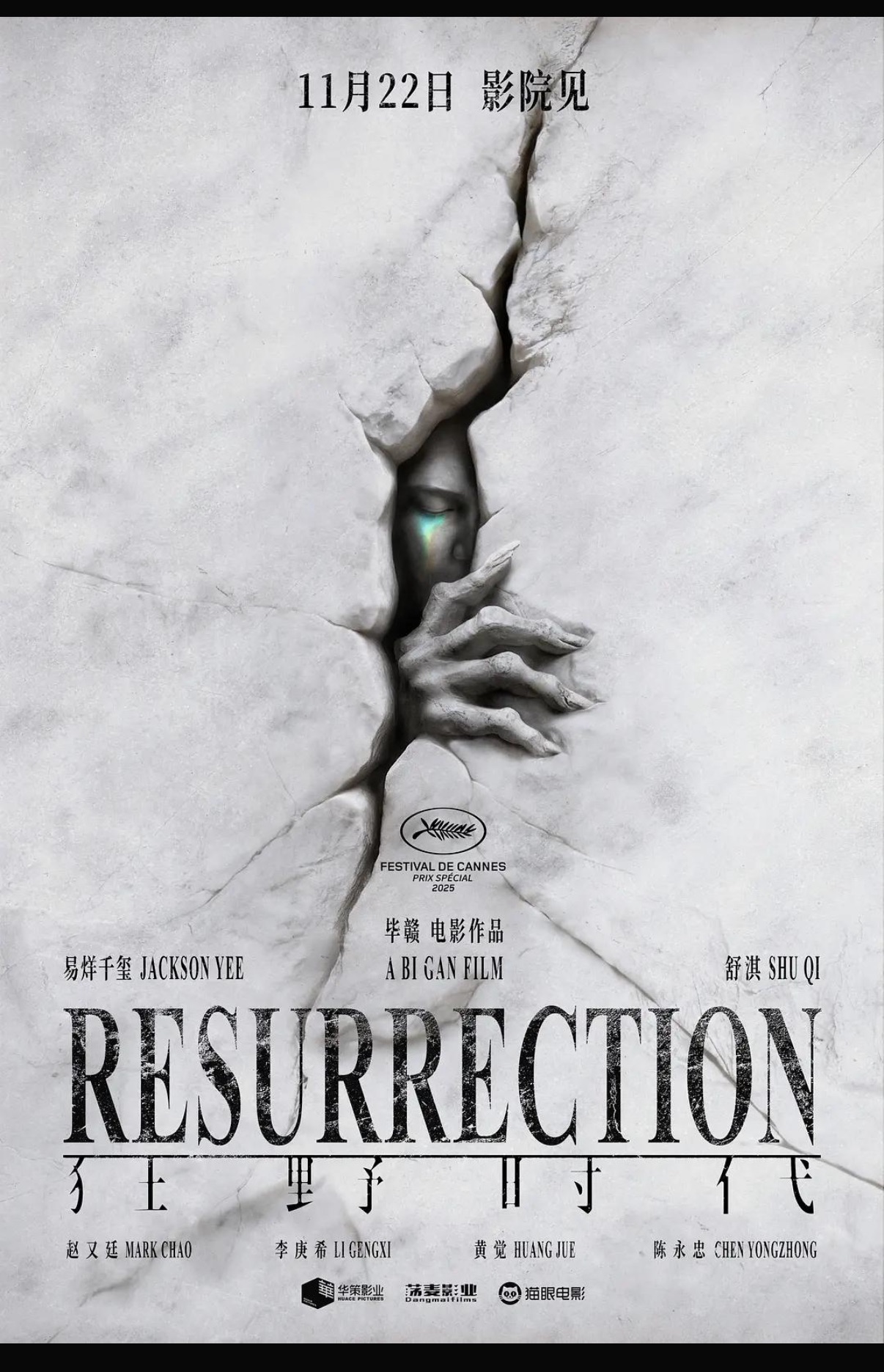 Greetings again from the darkness. Chinese filmmaker Bi Gan’s third feature continues his string of visually stunning films and dramatic visual effects. However, this one runs 160 minutes, and seems to be inaccessible to most moviegoers, while the film will surely mesmerize a few. Bi Gan is a cinematic artist who is at ease toying with time and our sense of normalcy.
 Greetings again from the darkness. What is true human nature? Is there even such a thing? Are we preprogrammed to do the right thing, or is it our nature to hold grudges, seek revenge, and take advantage of every situation? This superb film from Iranian filmmaker Jafar Panahi explores the topic, and it’s important to know that he was inspired to write the story after being imprisoned for creating propaganda against the regime.
 Movie Reviews from the Dark