 Greetings again from the darkness. Some folks are just made differently. As a kid, Reed Timmer was afraid of storms. Because of this, he watched The Weather Channel religiously. This drove his knowledge and interest, and he eventually became the foremost storm chaser in the United States. Director Ken Cole has followed Timmer for more than twenty years, as they have collaborated on the 2004 PBS movie TORNADO GLORY, and the 2013 series, “Tornado Chasers”. Additionally, Timmer has appeared on The Discovery Channel’s “Storm Chasers”. This latest takes viewers directly into storms with Reed’s team.
It’s likely every viewer will know in the first seven minutes whether this is a documentary experience they can make it through. The photography is simply too amazing to describe in words as Reed Timmer and his storm chasing team take on the 2013 El Reno Tornado – widely accepted as the largest in history. Fearless is not the right word, but courageous certainly is. They understand the danger of intercepting storms, and it’s the experience, knowledge, and technology that protects them … along with quite a bit of luck. There are also memories of colleagues and friends who were less fortunate.
The contrast between the chasers and TV studio meteorologists is almost comical. The chasers live for the adrenaline rush and display kid-like excitement, while the TV broadcasters remain calm and collected while passing along details and videos. The cameras and this “Dominator” team with their customized vehicle take us inside storms. In the process, they prove that this is not just some crazy hobby. They are compiling crucial data for science with the intention of further improving warnings – saving as many lives as possible.
The scenes of devastation from the May 2024 Greenfield, Iowa tornado are painful to watch, yet the historic drone coverage allowed for never-before obtained data … all from the relative (un)safety of a rental car (after the Dominator rig was damaged). A New York Times photographer goes along for the ride, and her reactions are fascinating to watch. The intensity of these storms only slightly exceeds the intensity of pursuit exhibited by Reed Timmer and his team. For most of us, this is certainly as close as we ever want to come to a tornado, and we owe thanks to those willing to lay it on the line for science.
In theaters nationwide beginning August 21, 2026


 Posted by David Ferguson
  Greetings again from the darkness. This can’t be right. It doesn’t seem real. Yet, it’s possibly the harshest form of reality. Documentarians Tanaz Eshaghian and Farzad Jafari managed to gain access to two families during a process most of us westerners can’t fathom. I had to keep reminding myself this is a documentary and these are real people from real families. Theirs is a true story … a legal and cultural and family thriller with real consequences.
 Greetings again from the darkness. “Would you like to buy some Girl Scout cookies?” It’s a familiar pitch we hear every year at grocery stores, our front doors, and even at the office as co-workers spread the word on behalf of their scouting daughters. With an annual hankering for Thin Mints, we gladly exchange our cash for a box … or two or three. Documentarian Alysa Nahmias takes an unusual approach to this ritual of local Girl Scouts selling sweets. For historical perspective, the film opens with archival footage covering decades of boxed goodie transactions initiated by girls in the familiar vests.
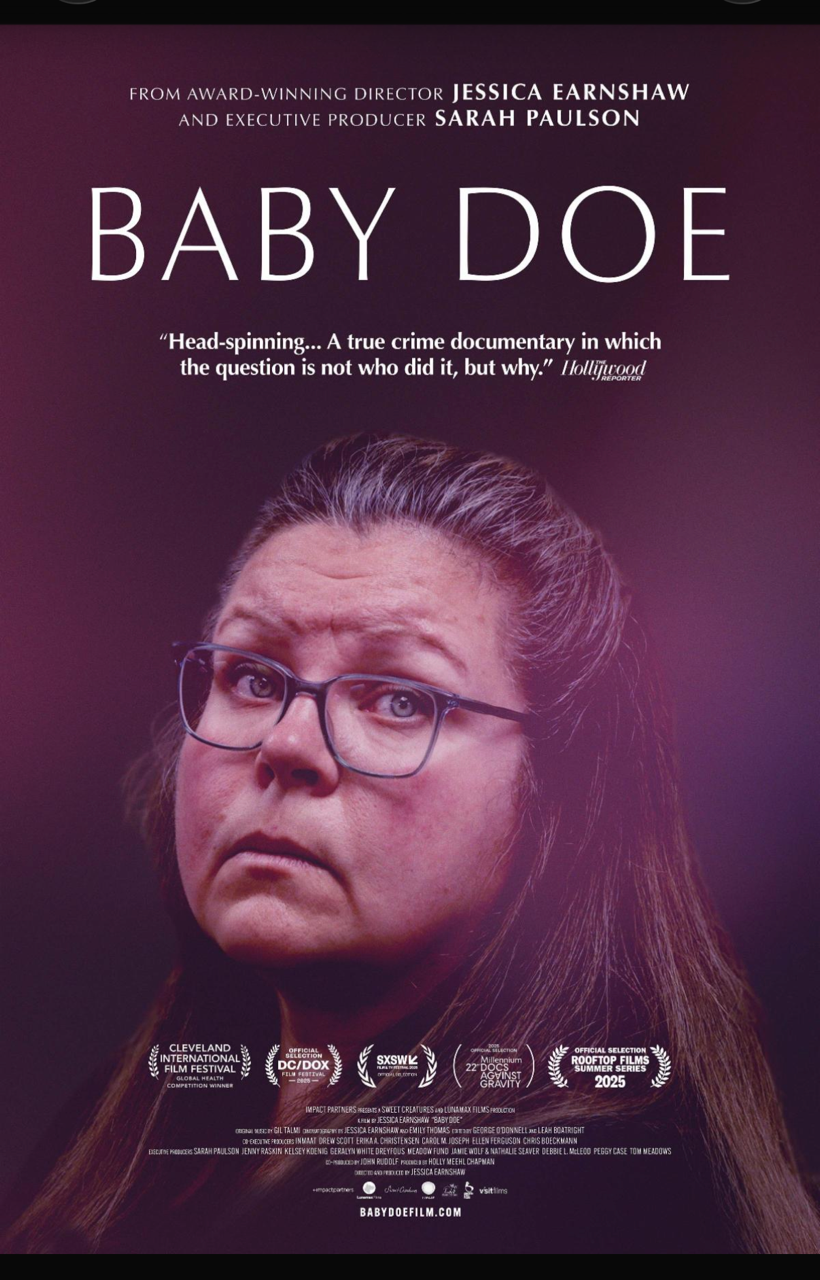 Greetings again from the d arkness. While I certainly value the importance of fiction and creativity, I choose to watch so many documentaries because I’m also a fan of real life and the truth. However, the truth is often anything but uplifting and such is the case with this film from Jessica Earnshaw as she tells the story of Gail Ritchey and the “Geauga’s Child” case.
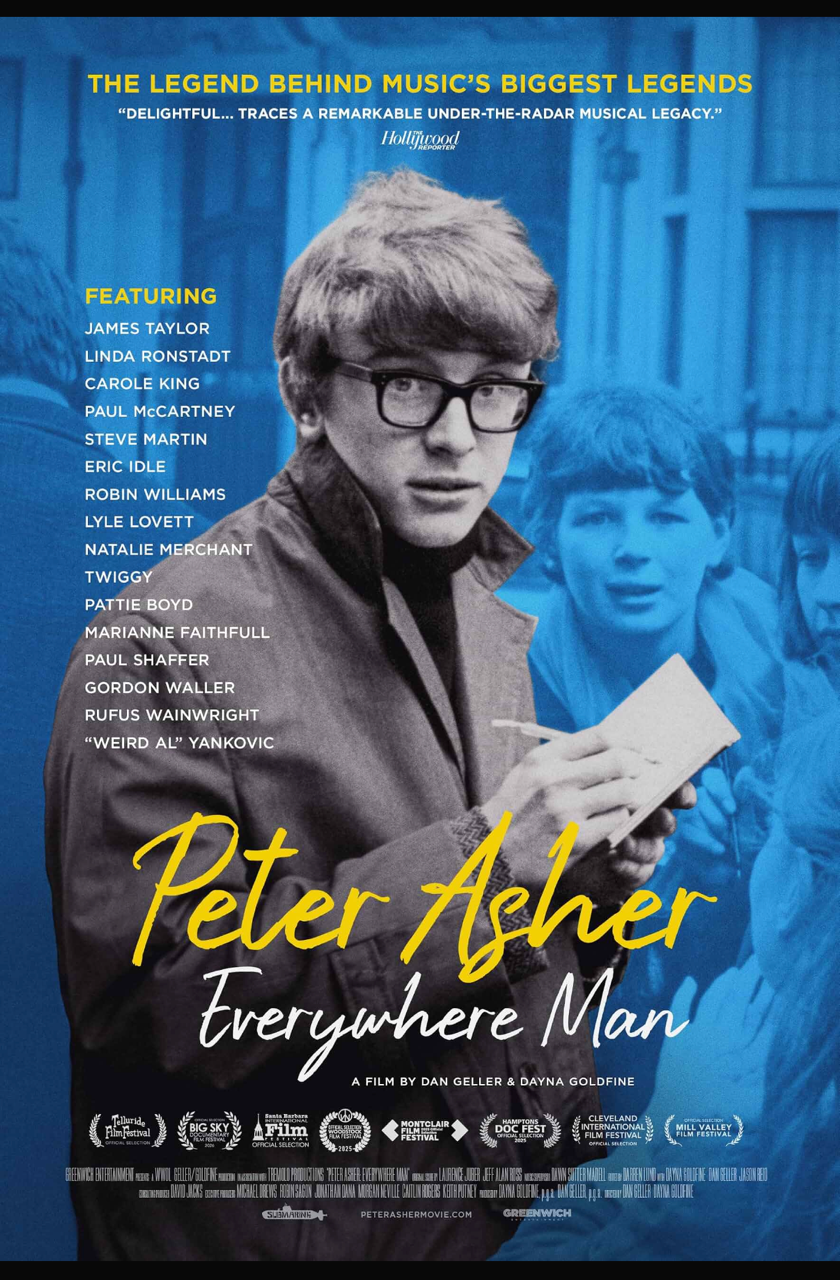 Greetings again from the darkness. This documentary opens with Steve Martin sitting on the sofa conversing with his friend Peter Asher. An early point is made that defining or labeling Peter Asher is a bit challenging, and co-directors Daniel Geller and Dayna Goldfine (collaborators for more than 35 years, including HALLELUJAH: LEONARD COHEN, A STORY, A SONG, 2021) then proceed to spell out his remarkable career and his impact on music and the music industry. Perhaps the closest comparison we can offer is that of the recently deceased music executive, Clive Davis. Two influential men who brought passion to the work.
 Greetings again from the darkness. The songs are part of music history: “Whipping Post”, “Midnight Rider”, “In Memory of Elizabeth Reed”, “Melissa”, and “Ramblin’ Man”. Their album, “Live at Fillmore East”, is considered one of the best live albums of all time. The Allman Brothers paved the way for a couple of hugely Southern rock bands, Lynyrd Skynyrd and the Marshall Tucker Band, and they were influential to the work of countless other bands and musicians. Of course, a documentary about Gregg Allman must include much about the band, yet documentarian James Keach does tremendous work here maintaining the focus on the man. Mr. Keach is mostly retired from a long acting career, yet he’s continued to take on directing gigs across the past thirty-plus years – including a couple of other documentaries on musicians: LINDA AND THE MOCKINGBIRDS (2020) and GLEN CAMPBELL: I’LL BE ME (2014).
 Greetings again from the darkness. The “Mother of American Modernism”, while impressive as a moniker, seems to fall short in describing the impact, influence, and lasting legacy of artist Georgia O’Keefe. Oscar winning director Paul Wagner (short film THE STONE CARVER, 1984) has put together one of the most comprehensive and detailed biographical documentaries I’ve seen, and he couldn’t have selected a more deserving subject.

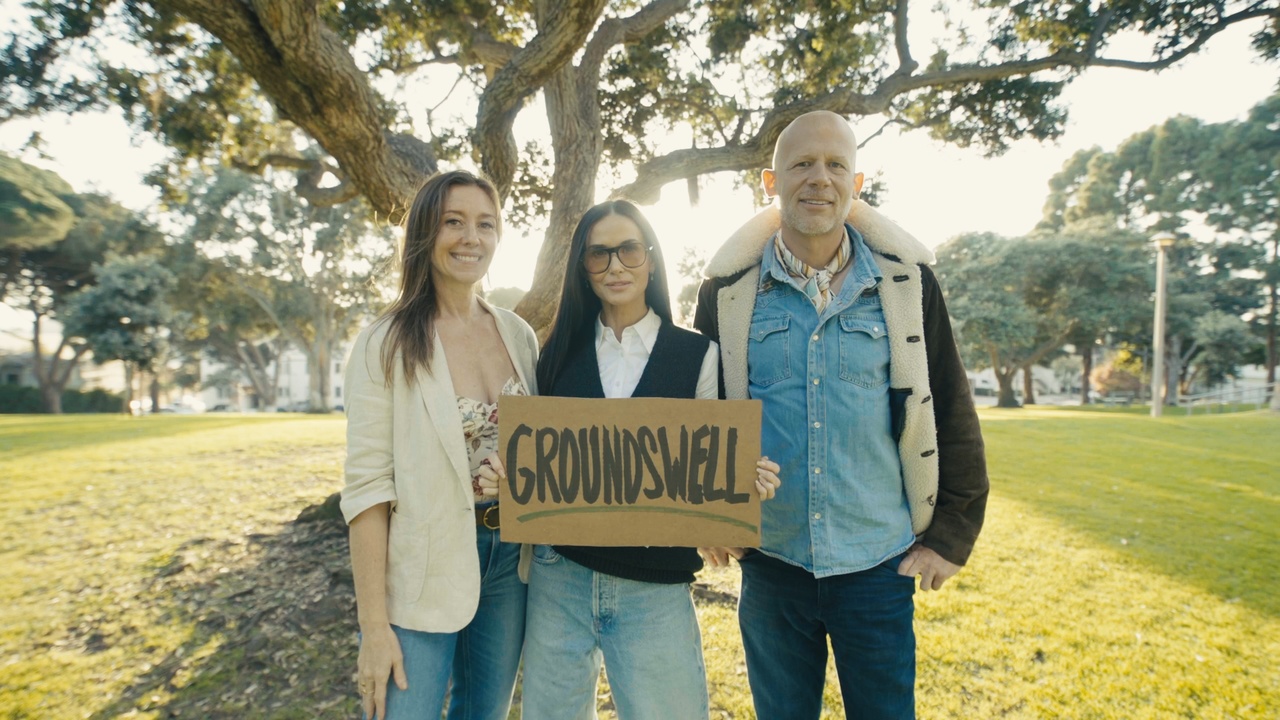 Greetings again from the darkness. There haven’t been many documentary trilogies over the years, yet this is the third in a series from husband-and-wife documentarians Joshua Tickell and Rebecca Harrell Tickell. The first two were KISS THE GROUND (2020) and COMMON GROUND (2023), and all three deal with the importance of regenerative agriculture … a solution to our food problem and, it’s no exaggeration to say, the key to our future.
 Greetings again from the darkness. Are there alien-human hybrids living amongst us right now? That’s the question documentarian Serena DC is looking to answer with this latest. She is a published author and talk show host, and has directed other documentary projects with subjects from ‘beyond’. The first thing we learn is also the first thing that puts us a bit on the defensive: there are many definitions of hybrid. The generally accepted definition is “half ET/hal human”. In other words, shared DNA.
 Greetings again from the darkness. The popularity and staying power of Karaoke shows just how much we enjoy singing. Even for those with crippling stage fright, singing in the shower can provide a bit of joy. But what about those with real talent? There is only so much room for the Adeles and Ed Sheerans of the world. Co-directors Angelique Molina and Abraham Troen take us inside the world of collegiate a cappella (singing without instrumentation). Now, you are likely to immediately think of either church choir, barbershop quartets, or Pentatonix … all fine singing choices, yet all a bit different than what the film documents.
